
Get the MovieNight app
Add it to your home screen — faster & full screen
Get the MovieNight app
Add it to your home screen — faster & full screen
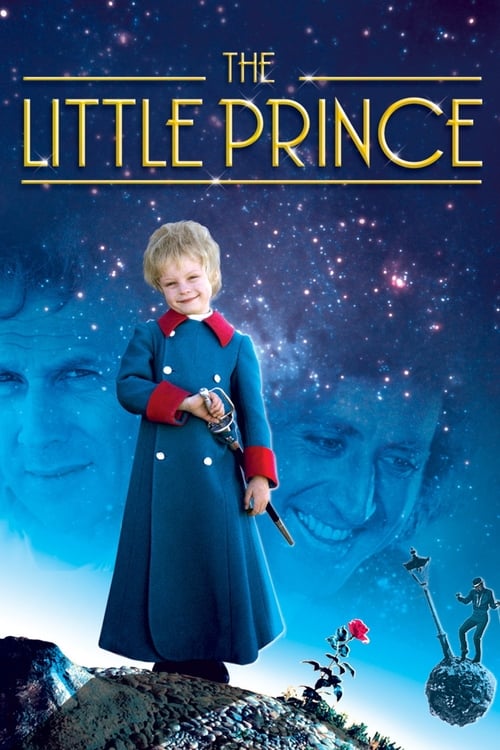
 Paramount Pictures
Not part of a collection.
The entertainment that loves a lot, and lives a lot, and gives and gives and gives a lot.
After a pilot is forced to make an emergency landing in the Sahara Desert, he befriends a young prince from outer space; the friendship conjures up stories of journeys through the solar system for the stranded aviator.

Vinicius Monteiro
Jun 3, 2026 · via TMDB
Adapting an untouchable classic is always a risk, but when the 70s dust settles, what's left is a piece of work that defies our expectations. Between legendary performances that shaped pop culture and highly questionable musical choices, the 1974 version of The Little Prince is a quirky cinematic experience that begs to be rediscovered. I invite you to hop on this asteroid and revisit one of the most curious and underrated adaptations in cinema. For hardcore fans of the original book, this adaptation's biggest strength is how it captures the story's lyricism and innocence. Personally, I feel the script really managed to translate Saint-Exupéry's prose while respecting the core of his dialogue. The dynamic between the Pilot (Richard Kiley) and the young Prince (Steven Warner) is bursting with genuine emotion. Kiley brings the perfect amount of exhaustion and disillusionment of a world-weary adult, while Warner embodies the Prince's endless curiosity and occasional childish stubbornness. The movie does an amazing job getting the book's main message across: the real danger of letting our inner child die as time goes by, and how crucial it is to value what is essentially invisible to the eye. Diving into the visuals is like taking a trip back in time. There’s an undeniable charm to the slightly psychedelic 70s aesthetic, which actually fits perfectly with the story's fairytale vibe. It brings me so much joy to see those old-school camera tricks in action. The director's choice to use wide-angle lenses and mirrors to distort the set creates the perfect illusion of tiny spherical planets. Plus, the fact that everything was made with practical sets and creative, almost theatrical costumes brings a raw, hands-on creativity to the screen. In an era dominated by flawless but often soulless CGI, the handmade texture of this film visually honors the author's original watercolor illustrations. One super important point that deserves a shoutout is the portrayal of the Rose, the Prince's great love and biggest source of heartbreak. The decision to humanize the flower by casting Broadway star Donna McKechnie was a really bold aesthetic choice. What could have been totally bizarre turns out to be a fascinating visual translation. McKechnie brings the exact right mix of vanity, dramatic flair, and, above all, vulnerability disguised as pride. Through her choreography and expressions, the movie brilliantly brings the complexity of romantic relationships to life, making it easy to see exactly why the Prince had to leave to finally understand the true value of who he left behind. One of the pillars of Saint-Exupéry's work is its fierce critique of the empty logic of "grown-ups." The movie incorporates this into the Prince's visits to other asteroids, where he meets characters like the King and the Businessman. While I think the supporting cast delivers perfectly executed theatrical caricatures, this is exactly where the movie proves a lot of its mixed reviews right. This episodic structure turns the book's short reflections into pretty long sequences and musical numbers, which end up breaking the flow of the main story happening in the desert. It's a double-edged sword: the satire looks cool, but it's exhausting for the story, making the second act feel a bit choppy and fragmented. You can't review this movie without taking a moment to talk about its cameos, which are hands down the creative peaks of the film and really help bring the story back to life. Legendary Bob Fosse's performance as the Snake transcends the movie itself. Dressed in black out in the middle of the desert, Fosse delivers slick, threatening, and hypnotic choreography. His meticulous dance moves didn't just steal the show; they set trends—the clear roots of the moves later immortalized by Michael Jackson are undeniably right there. Right after that, we get Gene Wilder delivering an unforgettable Fox. Wilder brings his classic vibe that mixes sweetness, eccentricity, and deep melancholy. The famous scene where the Fox asks to be "tamed" is maybe the most moving part of the whole film. Wilder delivers it with so much vulnerability that it instantly helps us absorb all the heavy philosophical meaning behind their meeting. Contrary to what a lot of parents and current industry producers tend to think, I strongly believe kids are perfectly capable of handling darker themes as long as they're treated with sensitivity. One of the things I admire most about this movie is how it refuses to sanitize the ending. Its take on saying goodbye, leaving the physical body behind, and grief is kept sharply poetic. I think it's crucial not to bubble-wrap young minds all the time. For me, using allegory and fantasy to spark tough conversations about how short life is and how emotional bonds last forever isn't a scary flaw—it's actually one of the production's bravest triumphs. Looking at it more critically from a distance, you kinda have to call it a mid-tier movie because of an obvious structural clash. Adapting such a quiet, introspective book into a grand Hollywood musical is almost an impossible task, and the cracks definitely show. I hugely respect the production's ambition, but there's a constant disconnect in the pacing. Stanley Donen's vibrant direction often clashes with the contemplative nature of the source material. The result is a movie that suffers from an episodic, dragged-out pace. It’s stuck in a painful middle ground: it’s too bizarre and philosophical to be a simple, mainstream blockbuster, but too boxed in by studio conventions to be a purely free, indie work of art. At its core, it’s a perfectly imperfect movie. If the tonal clash leaves the movie stuck in the middle, it’s the soundtrack where it unfortunately falls apart. I have to agree with the harsher critics and audiences on this one: the music seriously hurts the storytelling. It’s frustrating to see the lyrical genius of Alan Jay Lerner and Frederick Loewe result in songs that are so forgettable and out of place. Not only are the songs far from catchy, but they also pop up at the worst possible times. I feel like instead of amplifying the emotion, the songs just interrupt the flow of the movie. They try to translate deep philosophical dialogue into forced cabaret-style rhymes, which totally kills the viewer's immersion in the characters' introspective journey. Weighing its inventive aesthetics, memorable performances, uneven pacing, and musical missteps, what you're left with is a truly unique cinematic experience. I strongly believe it’s worth watching—and showing to the next generation—this forgotten, imperfect piece of 70s cinema. The essence of The Little Prince regarding trust, love, loss, and friendship is so huge and timeless that it survives any outdated format or questionable directing choice. I encourage you to hit play with an open mind, gather the family, and just let yourself soak in the message. There’s a solid chance that by the time the credits roll, you’ll be able to look past its technical flaws and recapture a bit of that magic—invisible to the eye—that only truly great stories know how to awaken.
User reviews courtesy of TMDB.
 Amazon Video
 Apple TV Store
 Google Play Movies
 YouTube
 Fandango At Home
Amazon Video
Apple TV Store
Google Play Movies
YouTube
Fandango At Home
Fandango At Home
Amazon Video
Apple TV Store
Google Play Movies
YouTube
Fandango At Home
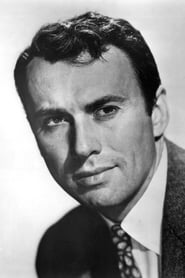
Richard Kiley
The Pilot
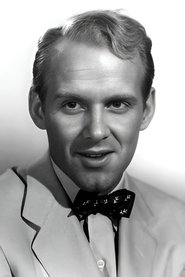
Bob Fosse
The Snake
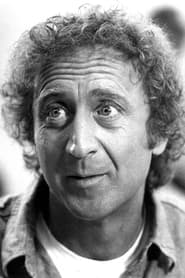
Gene Wilder
The Fox

Donna McKechnie
The Rose
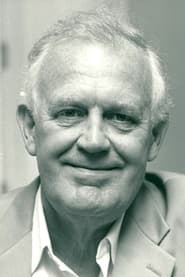
Joss Ackland
The King
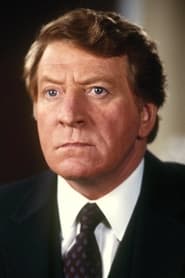
Clive Revill
The Business Man
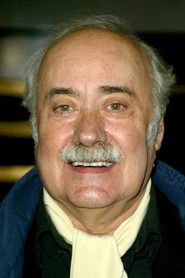
Victor Spinetti
The Historian
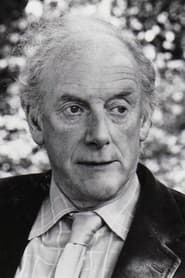
Graham Crowden
The General

Maurice Binder
Main Title Designer
Bob Fosse
Choreographer

Stanley Donen
Director

Frederick Loewe
Music
Frederick Loewe
Songs

Alan Jay Lerner
Lyricist
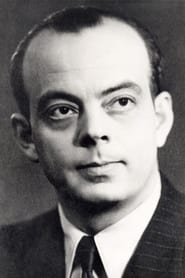
Antoine de Saint-Exupéry
Novel
Alan Jay Lerner
Screenplay
The Happy Days of the Moomins
Sailor Moon - Final Fight / The Forest of Transylvania (Revision) -The Secret of the Most Powerful Enemy, Dark Cain-
Sailor Moon - Last Dracul Final Chapter - The Seal of the Super Planet Death Vulcan
Falco - L.I.V.E Donauinsel + Stadthalle Wien
The Newest City in the World
Lou Reed: Transformer & Live at Montreux 2000
Moonlight Serenade
When You're Smiling
Les Franglaises - Le Viens-Retour
Winter in Moominland
Sarilho de Fraldas
Star Wars
Anne of Green Gables
Neil Diamond: Greatest Hits Live
The Royal Waltz
Drobínek
Joséphine Baker, Le Musical

Transformers Prime: Beast Hunters - Predacons Rising
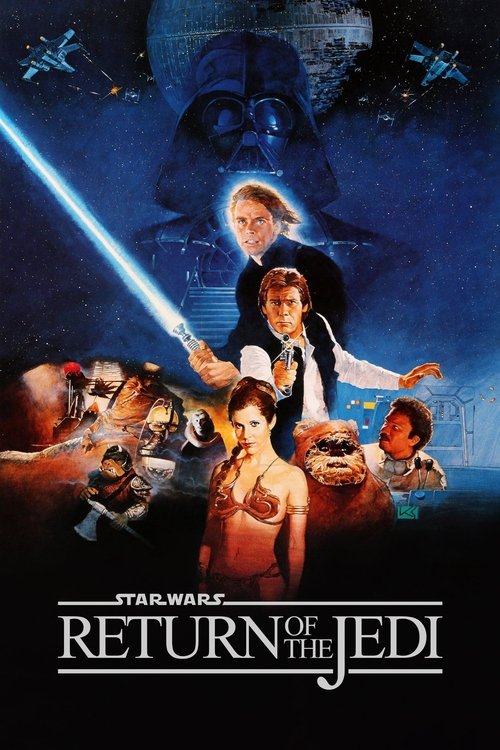
Return of the Jedi

Michael Jackson: Number Ones
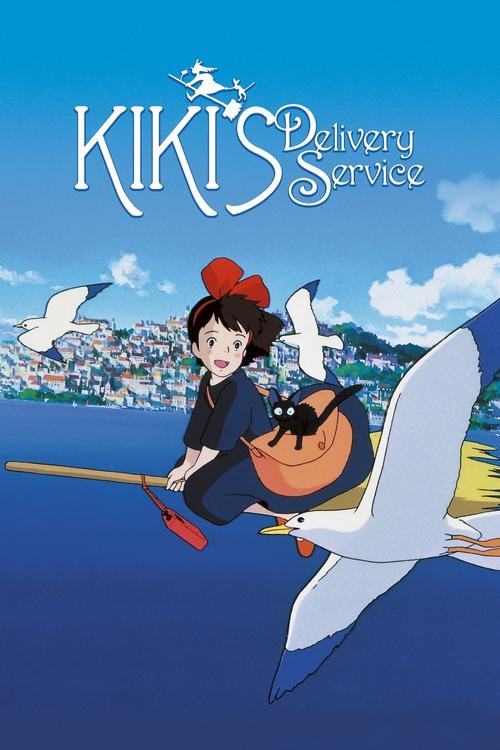
Kiki's Delivery Service
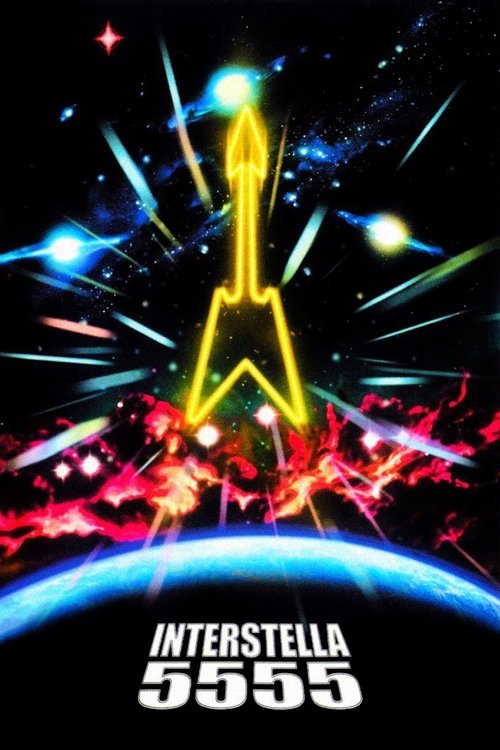
Interstella 5555: The 5tory of the 5ecret 5tar 5ystem
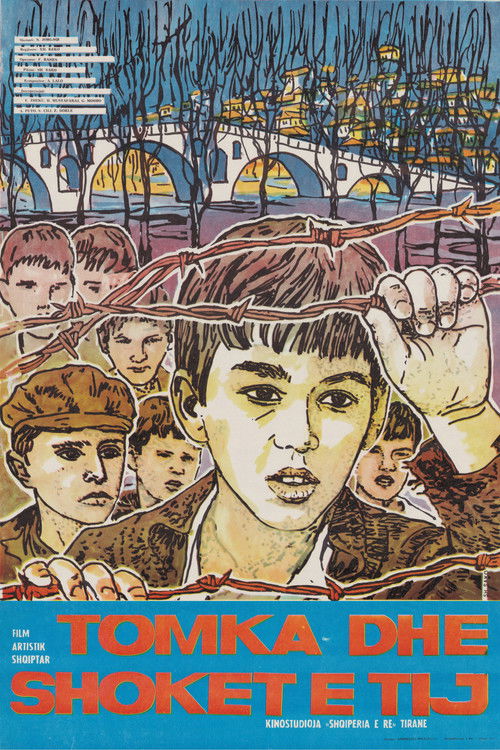
Tomka and His Friends
Fleetwood Mac: The Dance
K-12
Shrek

Predator: Killer of Killers
The Chorus
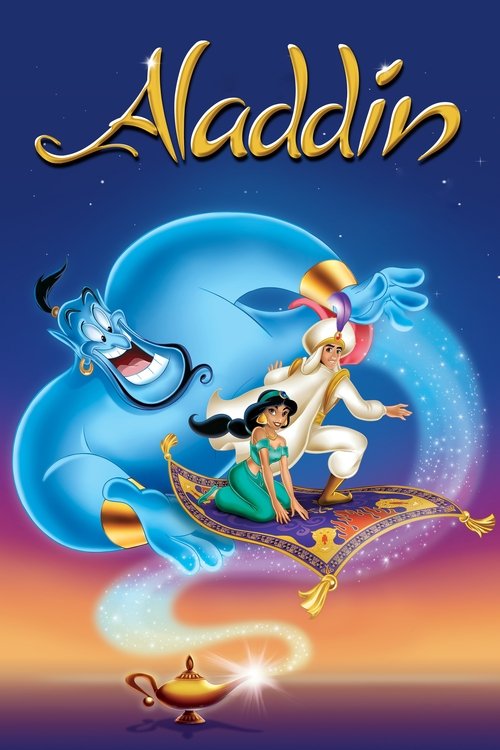
Aladdin
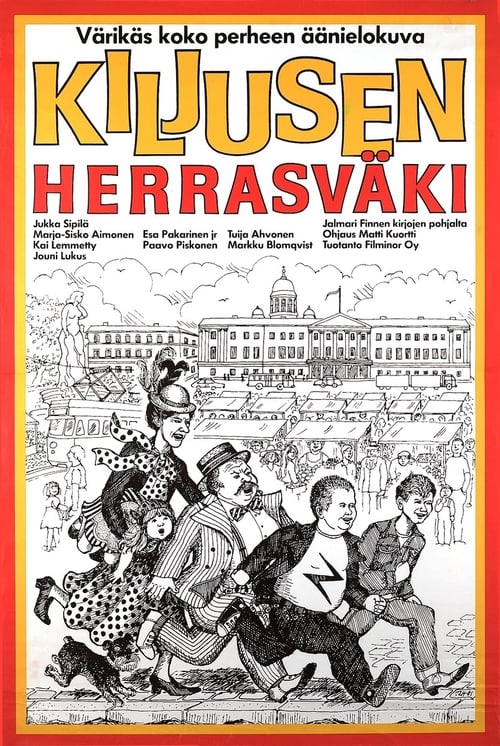
Kiljusen herrasväki

Corpse Bride
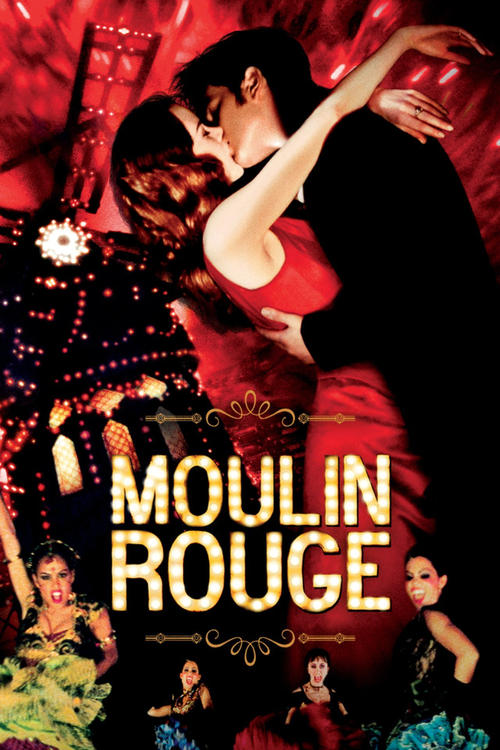
Moulin Rouge!
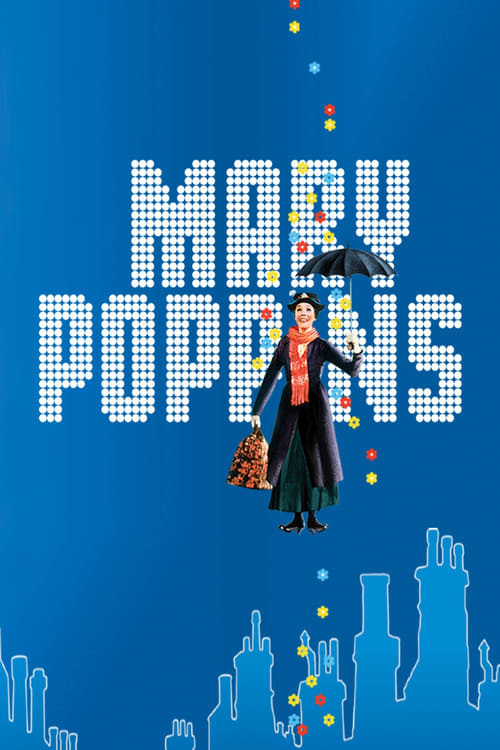
Mary Poppins
Home Alone
The Bride with the Most Beautiful Eyes

De Gelaarsde Kat
Willy Wonka & the Chocolate Factory
Star Wars: Episode III - Revenge of the Sith
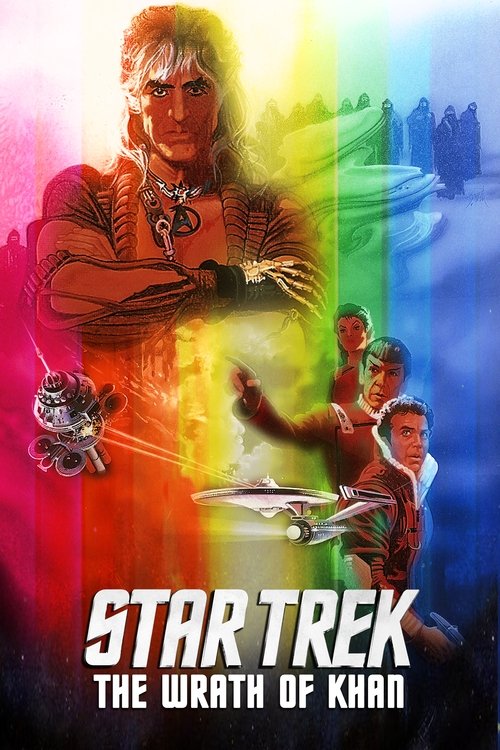
Star Trek II: The Wrath of Khan
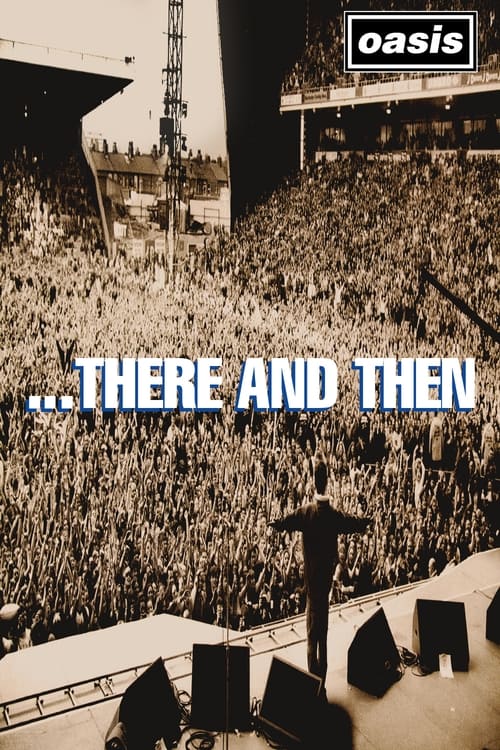
Oasis: ...There And Then
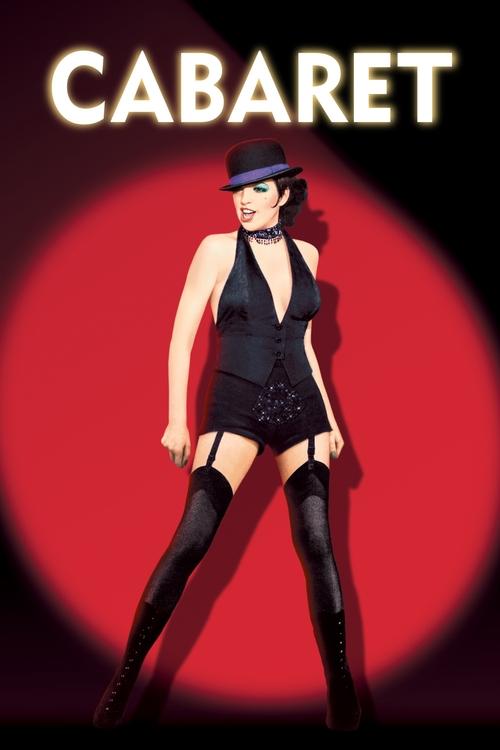
Cabaret
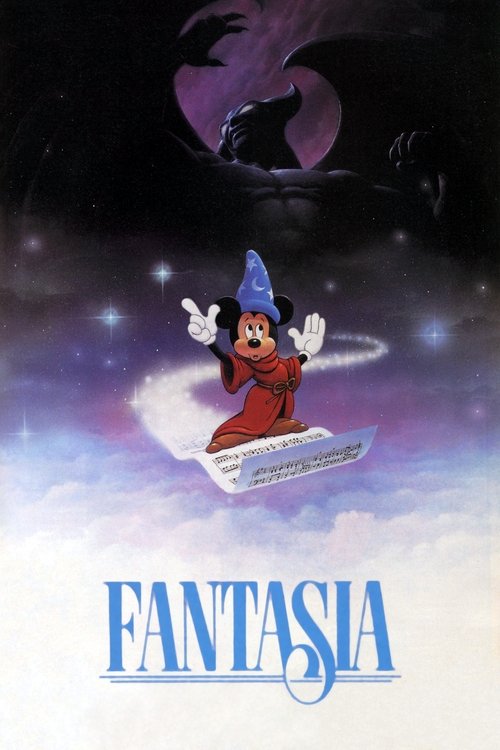
Fantasia
Bridge to Terabithia
Shrek 2
Star Trek: First Contact
A Hard Day's Night
Stardust
Café de los maestros
The Wizard of the Emerald City, Part I
Z-O-M-B-I-E-S 3
K-PAX
Donkey Skin
Star Trek IV: The Voyage Home
Lord of the Dance
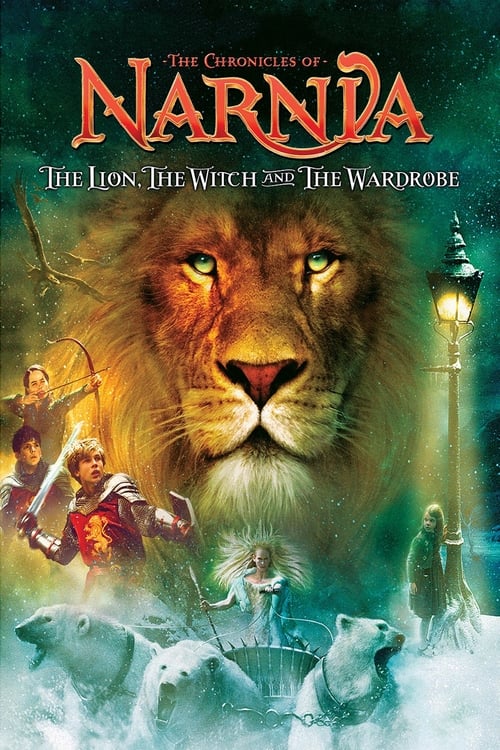
The Chronicles of Narnia: The Lion, the Witch and the Wardrobe
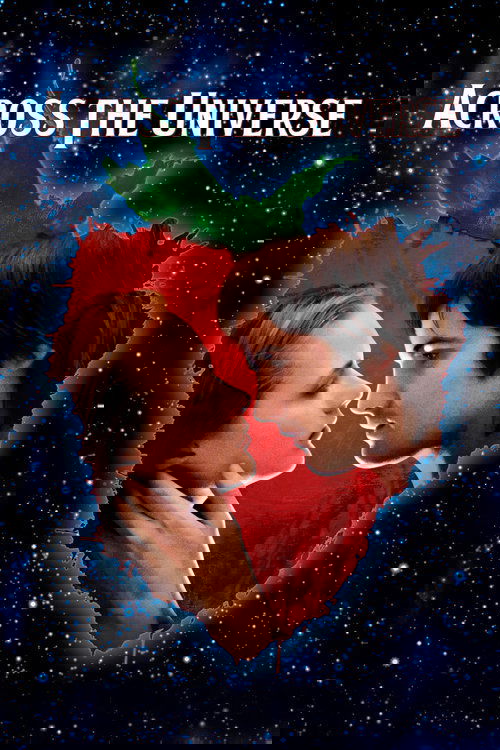
Across the Universe

You, the Living
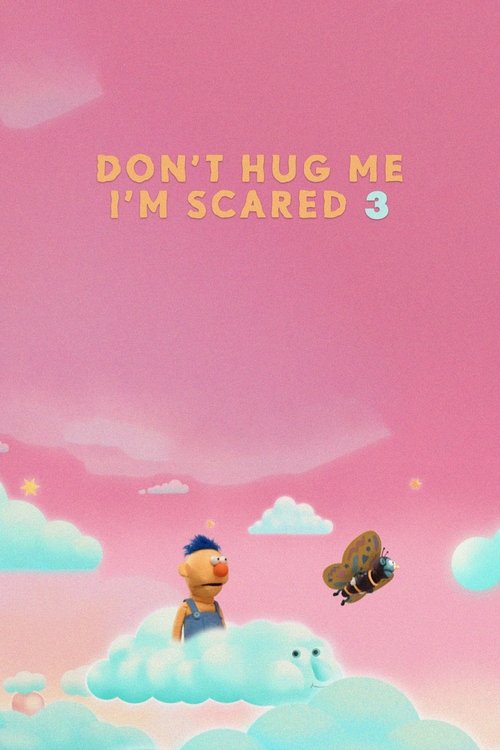
Don't Hug Me I'm Scared 3
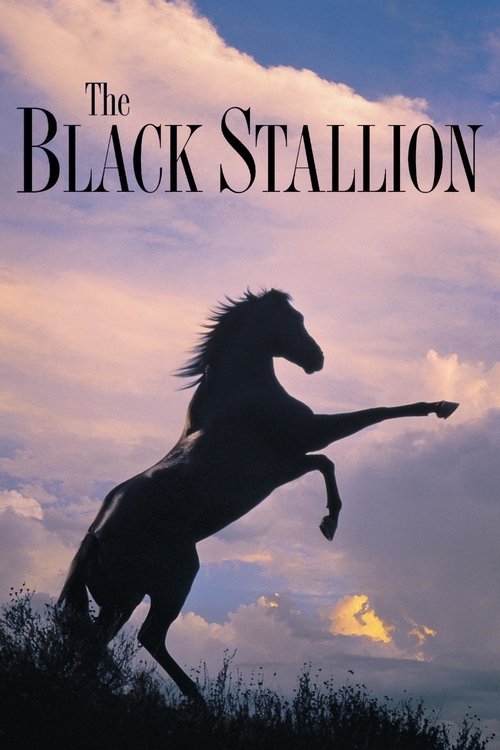
The Black Stallion
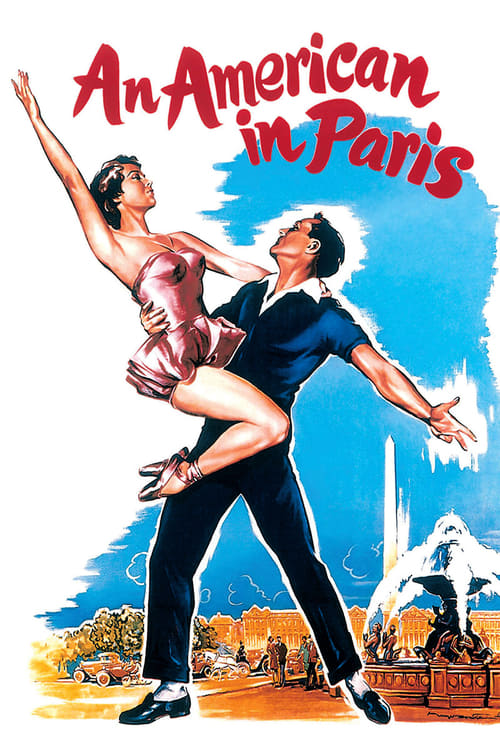
An American in Paris
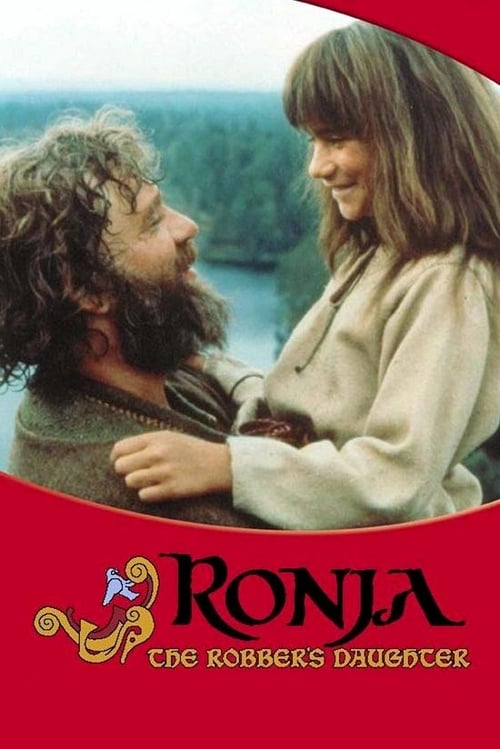
Ronia: The Robber's Daughter
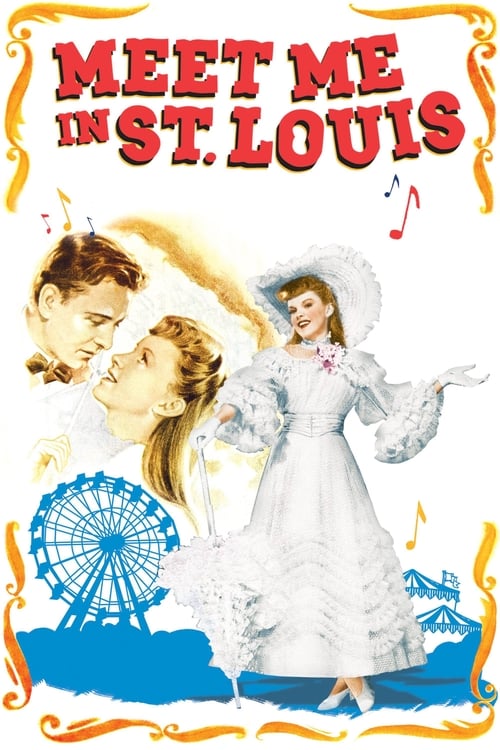
Meet Me in St. Louis
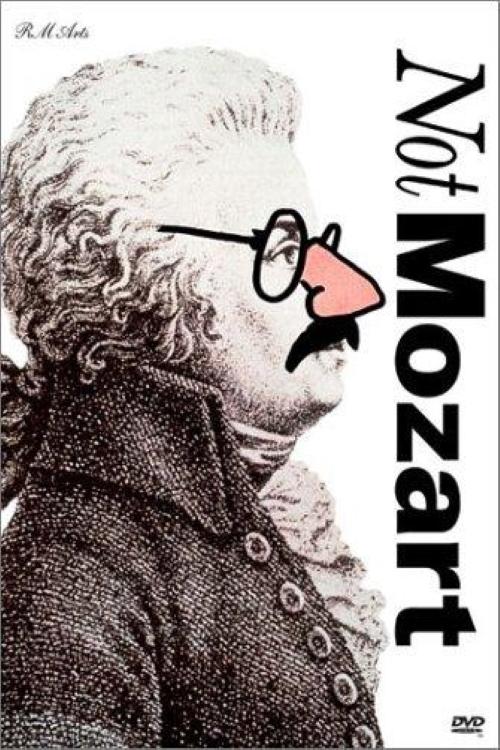
Not Mozart: Letters, Riddles and Writs
The Three Smiles
Hit the Hay
The Broken Melody
Outside of Paradise
The Emperor's New Clothes

Trouble
A Night with Janis Joplin

Sleeping Beauty
Zis Boom Bah
Life Is Beautiful
Them!
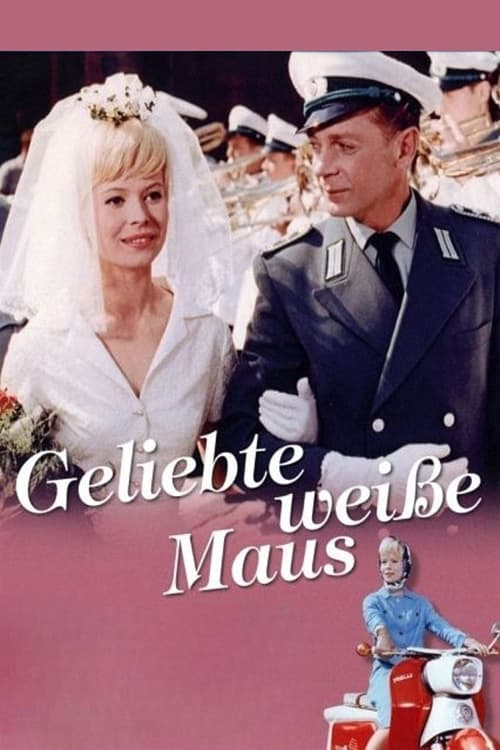
The Small White Mouse

Curious George: A Very Monkey Christmas
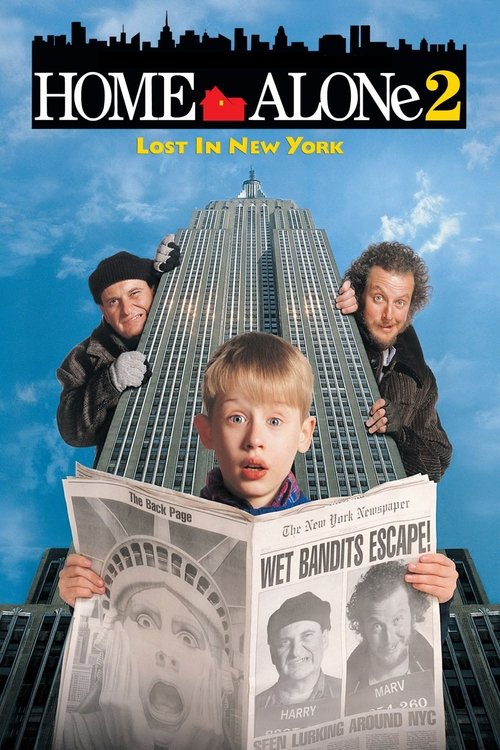
Home Alone 2: Lost in New York
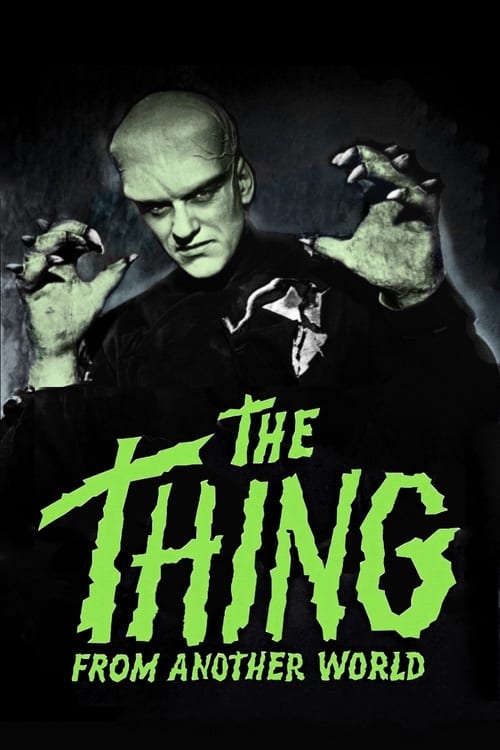
The Thing from Another World
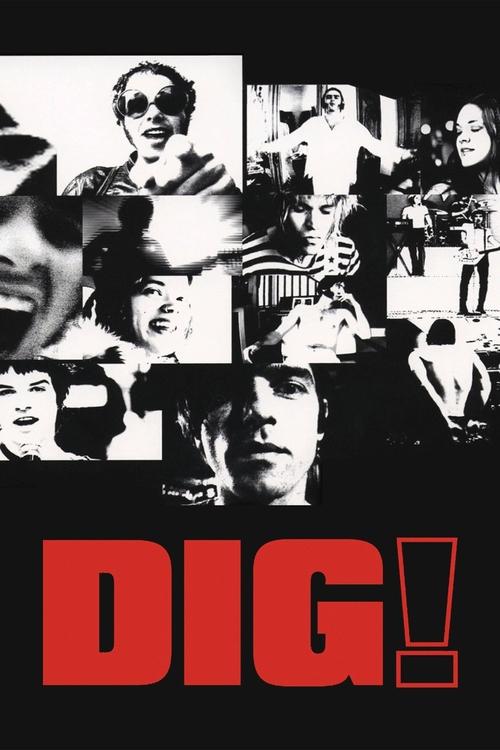
Dig!
Wattstax
Homesick for St. Paul
Going My Way
Transparent: Musicale Finale
White Pop Jesus
The Dog Stars
The Chronicles of Narnia: Prince Caspian
Bugsy Malone
Star Trek III: The Search for Spock
Mad Monster Party?
High School Musical
Star Trek: Generations

F.P.1 Doesn't Answer
Habana Blues

Rendezvous im Salzkammergut

Asteria
Star Trek: The Motion Picture

Richy Guitar
Mars Attacks!
Fame
Kalki 2898-AD
Alien³
Shrek the Third

Star Trek: Nemesis
Porgy and Bess
A Boy and His Dog
Gorath
Captain Underpants: The First Epic Movie
From Time to Time

A Chorus Line
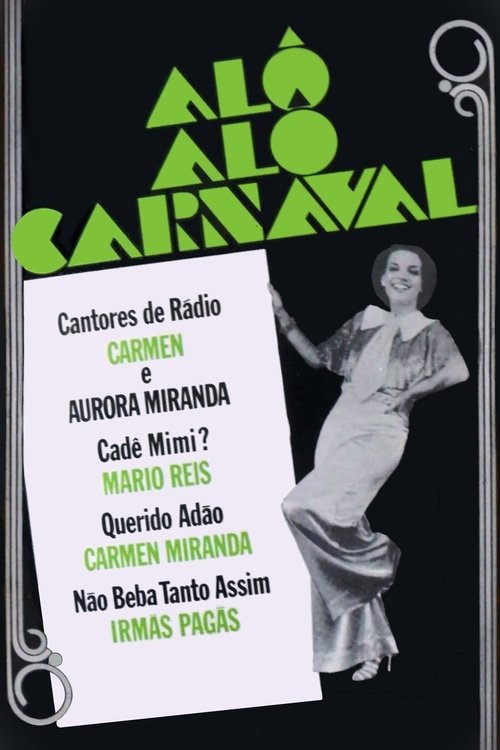
Alô Alô Carnaval
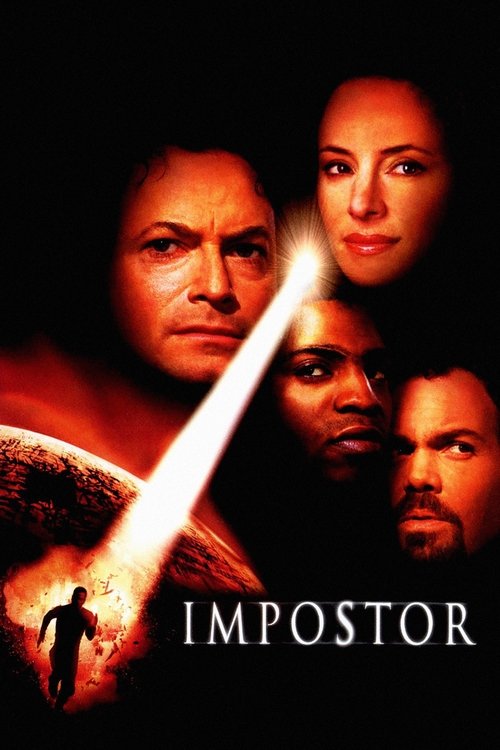
Impostor
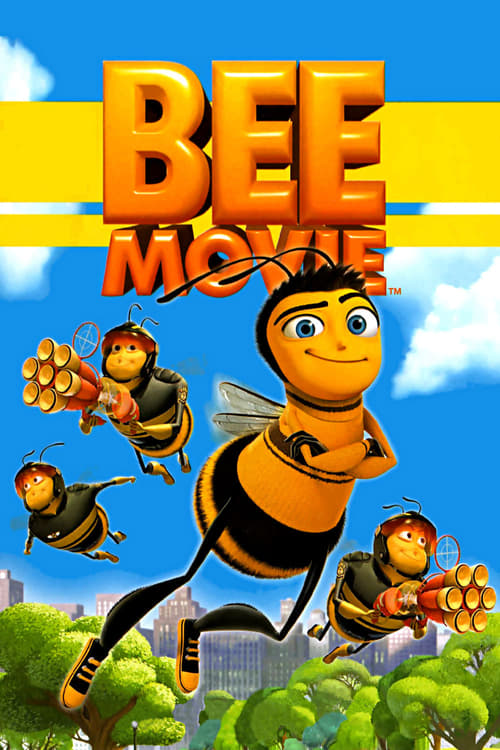
Bee Movie

Beyond the Valley of the Dolls
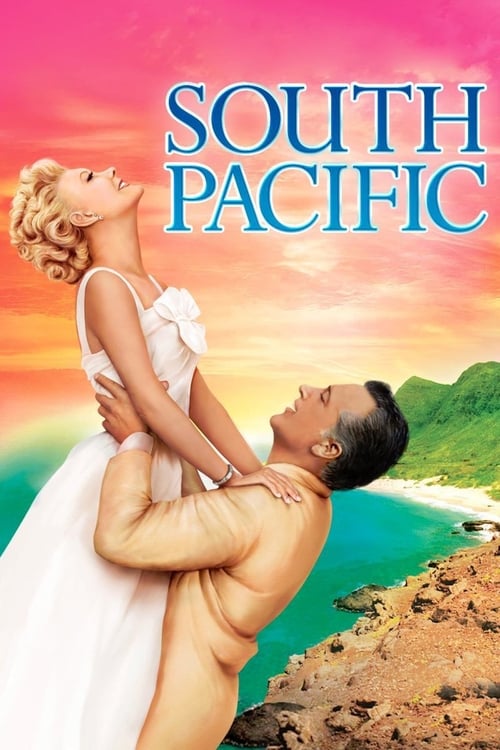
South Pacific
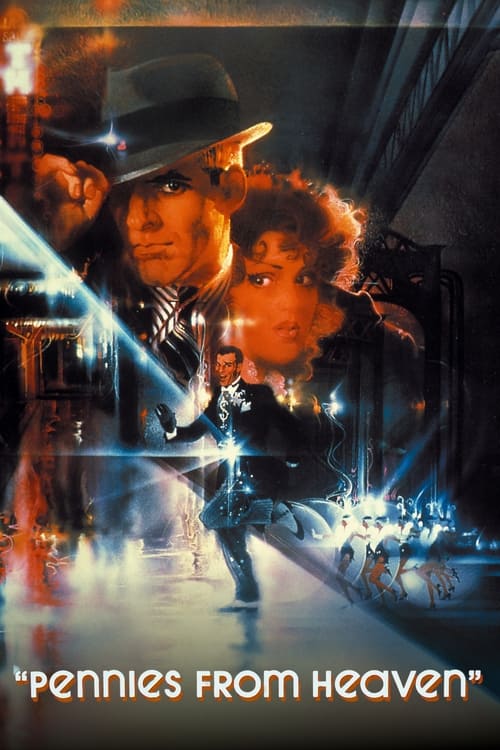
Pennies from Heaven
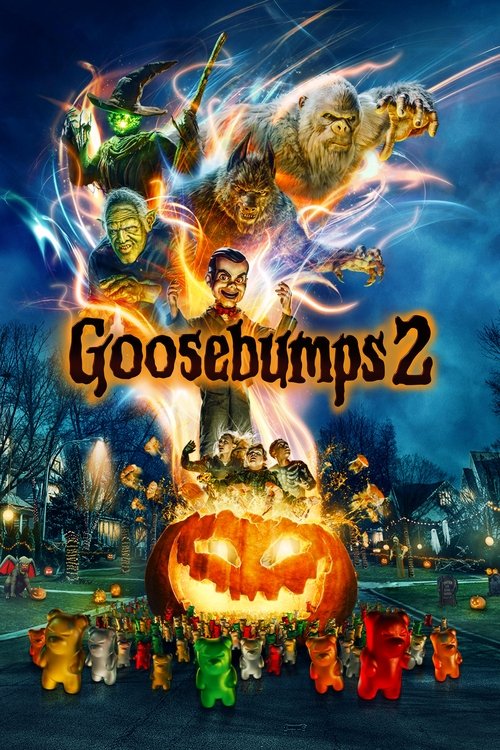
Goosebumps 2: Haunted Halloween

Krull

You and I
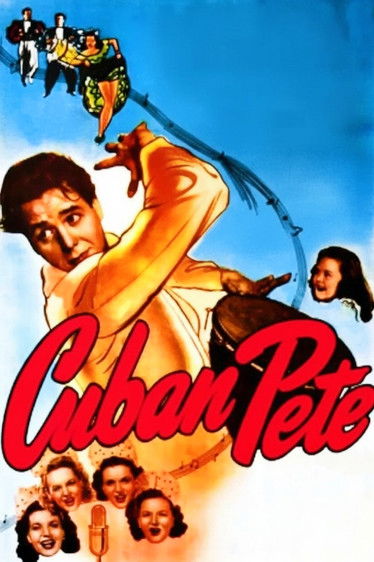
Cuban Pete
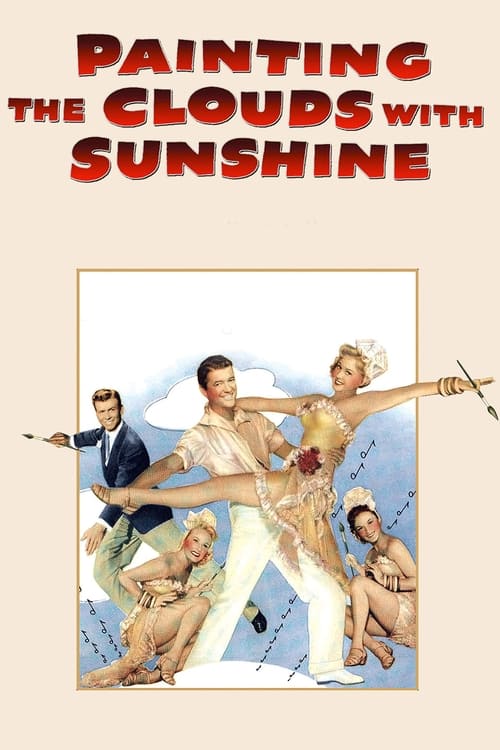
Painting the Clouds with Sunshine
Jill, Joy and the Mysterious Stranger
Sailor Moon - Amour Eternal

Mars Needs Moms
Hot Summer
Planet 51
Three for the Show
Beauty and the Beast
Star Trek V: The Final Frontier
Gypsy Sweetheart
Hulk
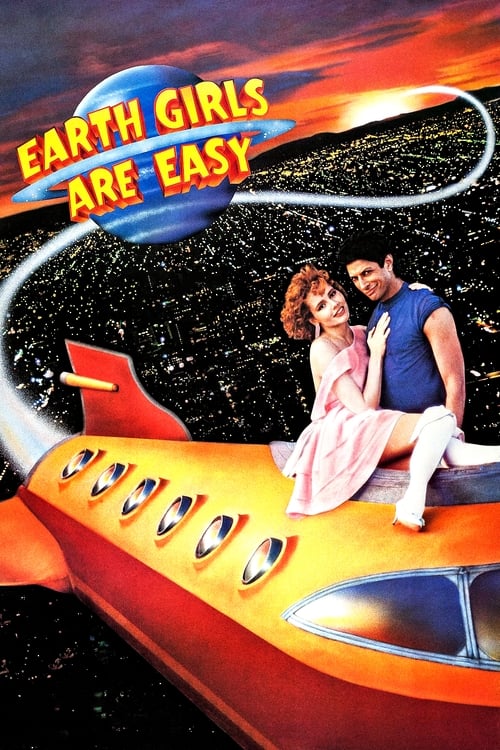
Earth Girls Are Easy
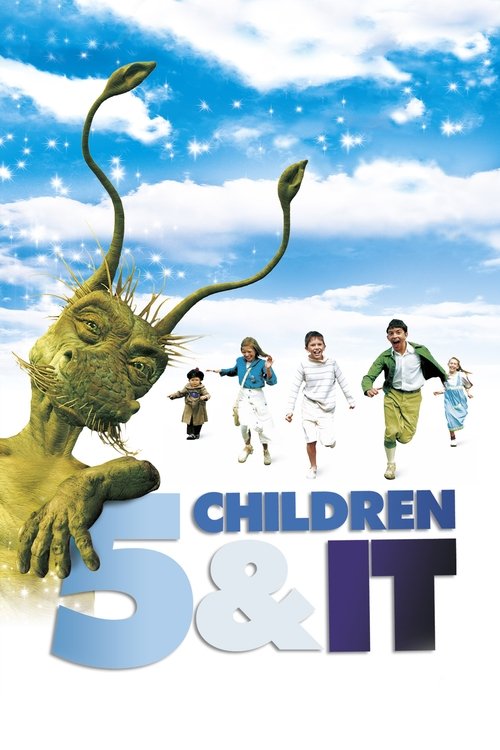
Five Children and It
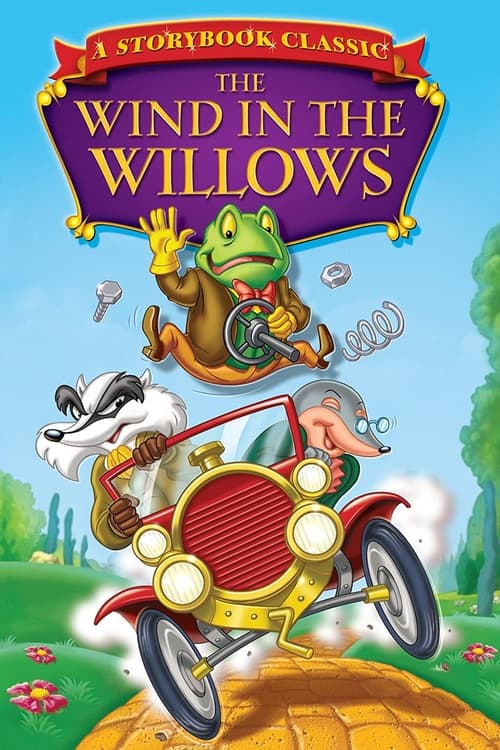
Wind in the Willows
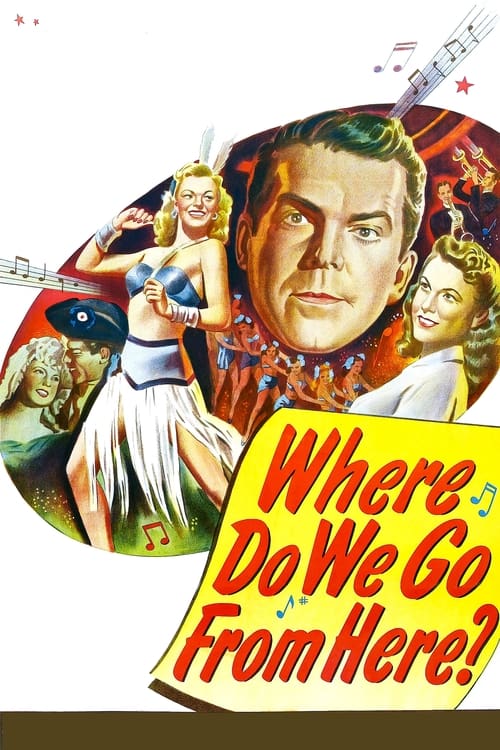
Where Do We Go from Here?
The Games Maker
The Cat in the Hat
Joan Lui
Fontána pre Zuzanu 2
Khanuma
Cherry Pop
La magia de los Parchís
What We Do Is Secret
Harriet the Spy: Blog Wars
Attack of the Killer Tomatoes!
Happily N'Ever After

The Story of Gilbert and Sullivan
Sin of an Angel

52Hz, I Love You
O králi, hvězdáři, kejklíři a třech muzikantech
A Little Bit of Heaven
Earth, Wind & Fire
To the Devil, with Love
Pan-Americana
A Fountain for Susan
The Great Easter Egg Hunt
I've Been Around
O tlustém pradědečkovi

The Rare Blue Apes of Cannibal Isle
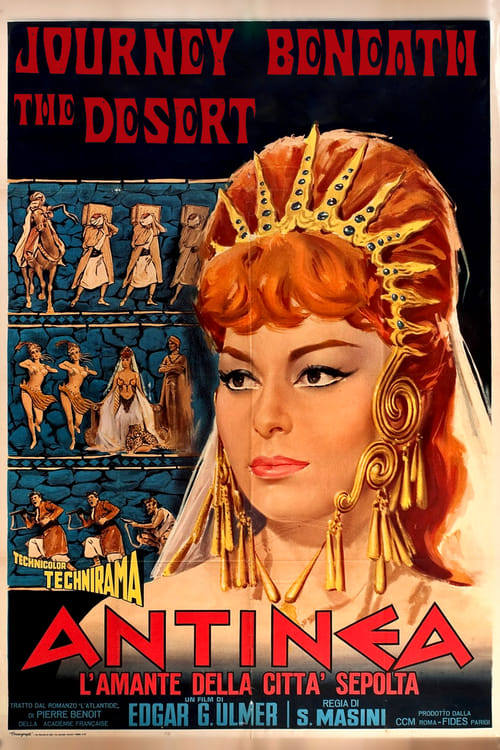
Journey Beneath the Desert
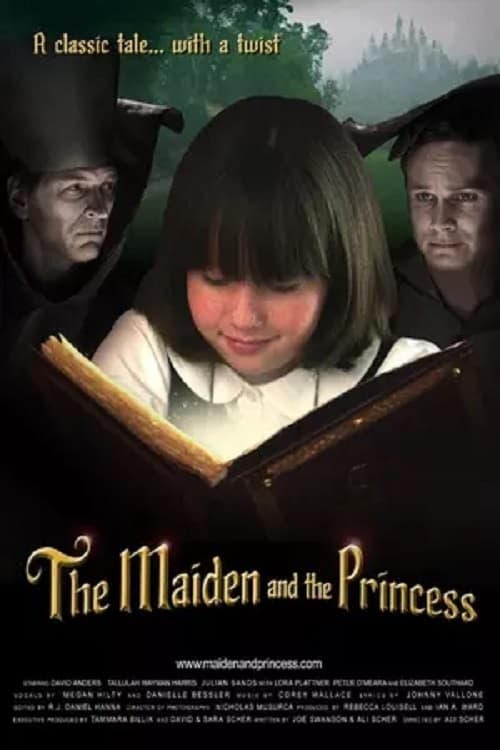
The Maiden and the Princess
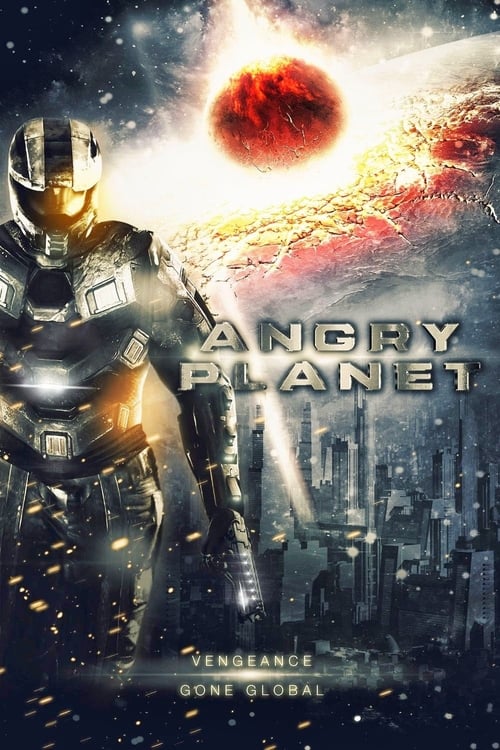
Angry Planet
Liebe ist Geschmackssache
Billy Joel: Live from the River of Dreams
John Adams: Doctor Atomic

Alejandro Sanz - La musica no se toca (En vivo)
Great Big Groovy Horse
Waar de vogeltjes hoesten
Rules of Love
Sailor Moon - Birth! Princess of Darkness Black Lady (Revision) - The Secret of the Planet Nemesis
Sailor Moon - Infinity Academy - Mistress Labyrinth (Revision)
Sailor Moon - The Advent of Princess Kakyuu - The Second Stage Final
Sailor Moon - New Legend of Kaguya Island
O Emínce a Havlíčkovi
Rabbits Under the Shed
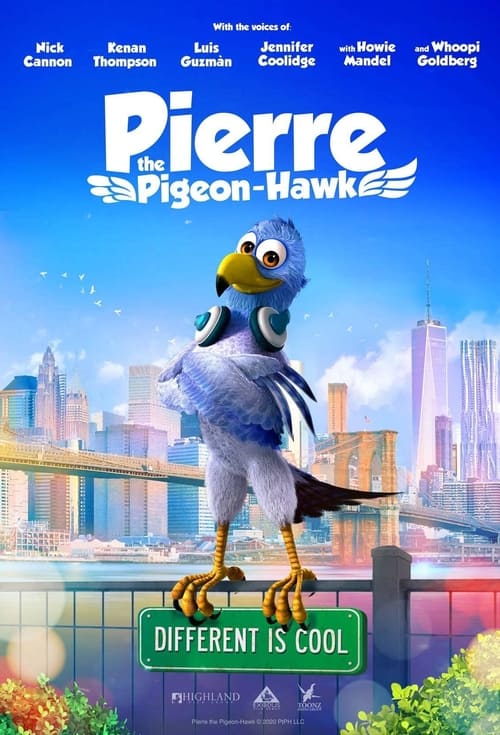
Pierre the Pigeon-Hawk
Jablíčko se dokoulelo
Čert a Káča
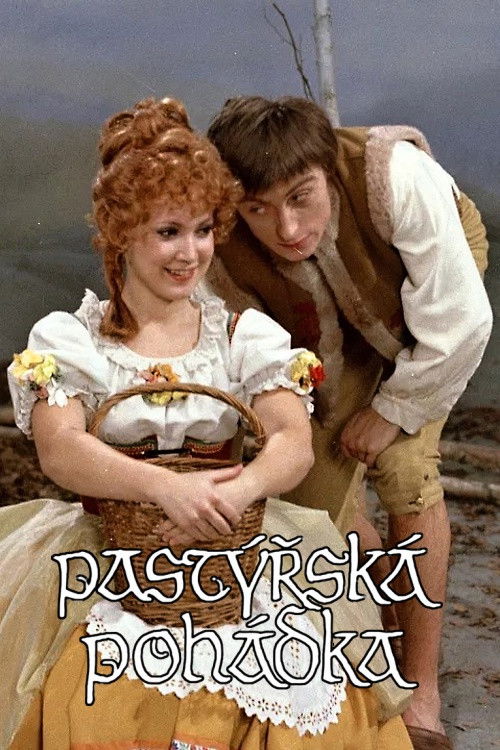
Pastýřská pohádka
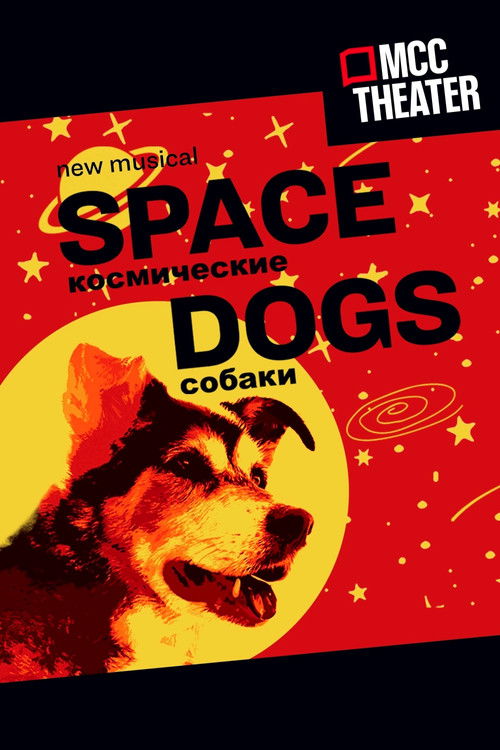
Space Dogs: The Musical
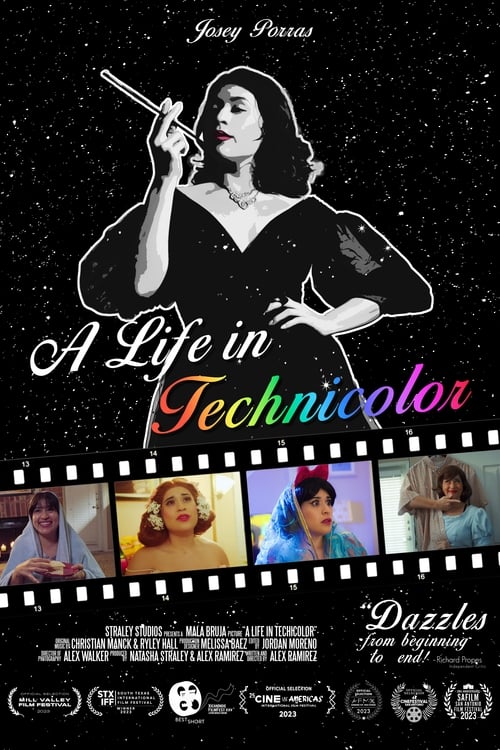
A Life in Technicolor
Podkovičky za korunu
Juniper's Christmas

Asylum in The Garden
Kuifje: De Zonnetempel, De Musical
Mars Community
Třináctery hodiny
Alenka v říši divů
Kian Santang : Prince of Pajajaran
The Iron Giant
The Little Prince
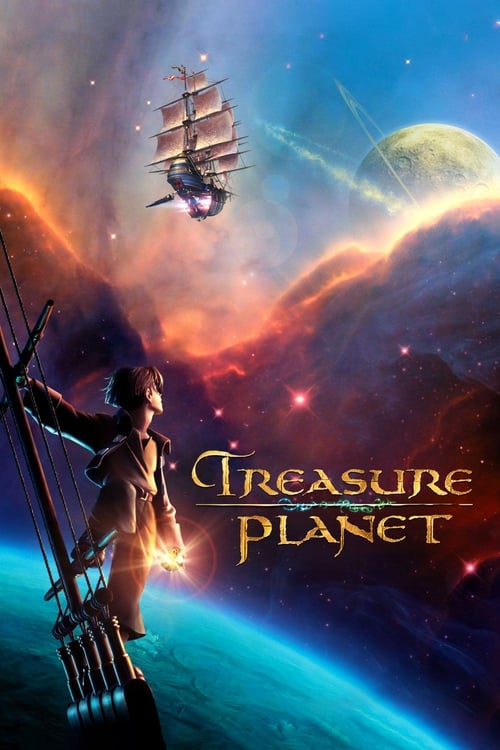
Treasure Planet
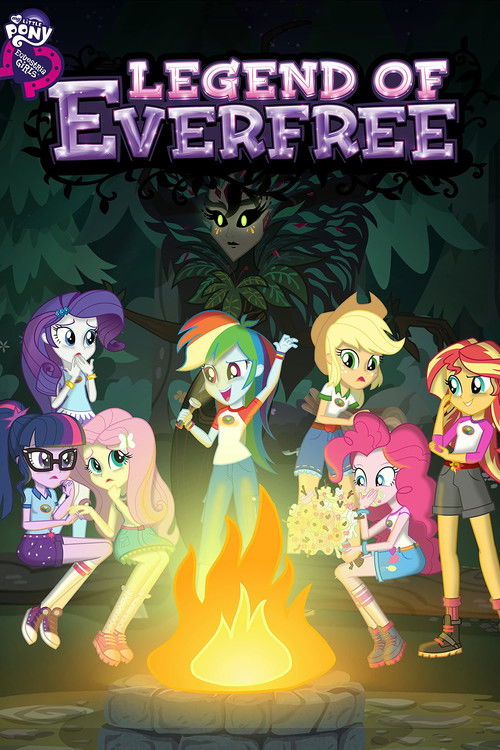
My Little Pony: Equestria Girls - Legend of Everfree
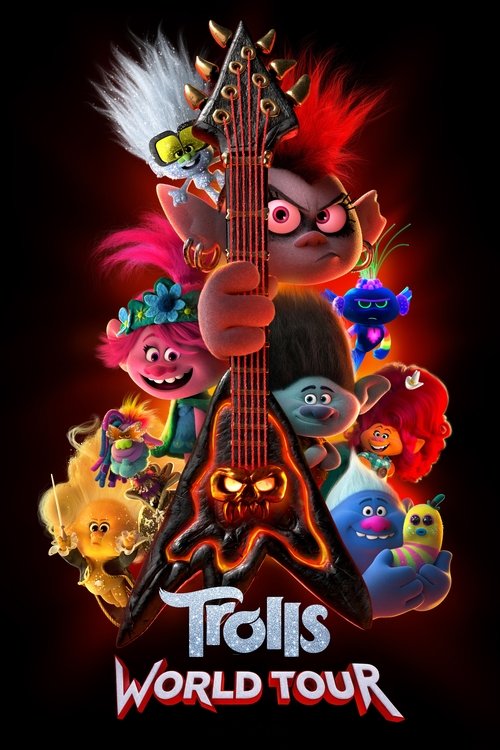
Trolls World Tour
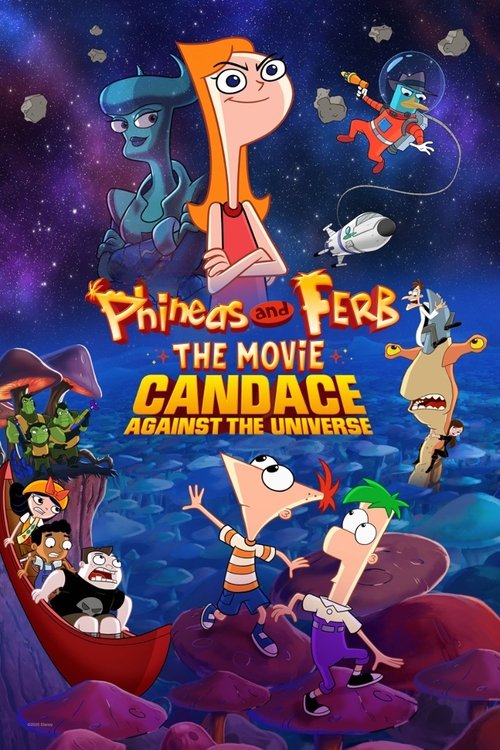
Phineas and Ferb the Movie: Candace Against the Universe
Descendants
Sinbad: Legend of the Seven Seas
Meet the Robinsons
Elio
Prince Charming
Titan A.E.
Crater
Cinderella III: A Twist in Time
Chaos Walking
Zathura: A Space Adventure
Press Play
Charming
Tom Thumb
Alice's Adventures in Wonderland

Tom and Jerry & The Wizard of Oz
Strange World

Jetsons: The Movie
Zenon: Girl of the 21st Century
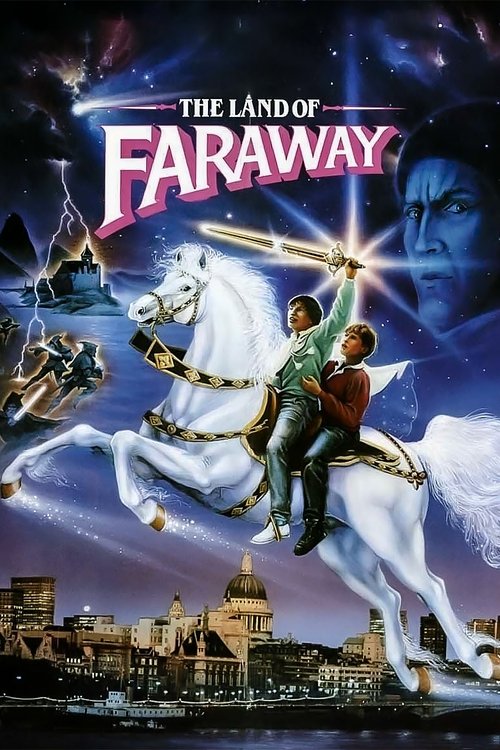
Mio in the Land of Faraway
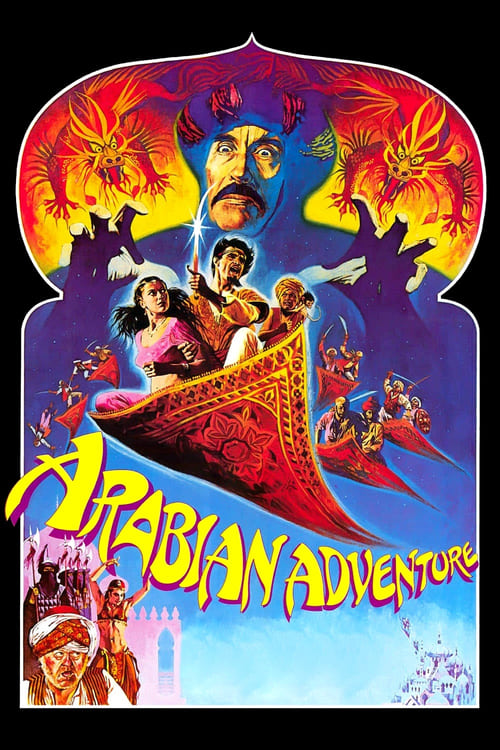
Arabian Adventure
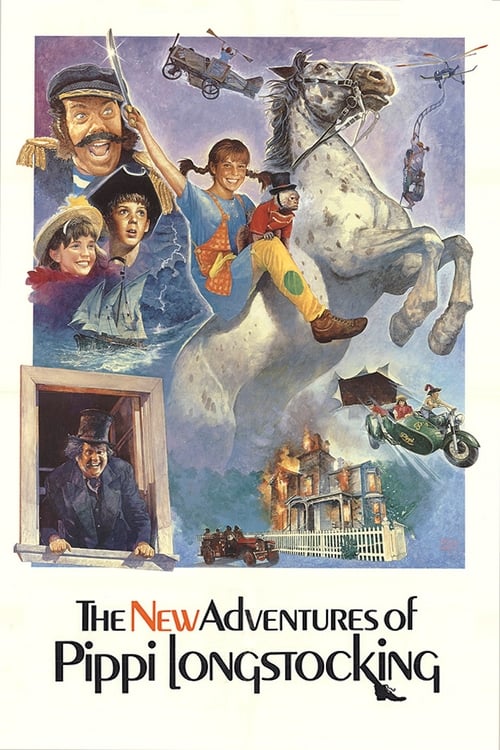
The New Adventures of Pippi Longstocking
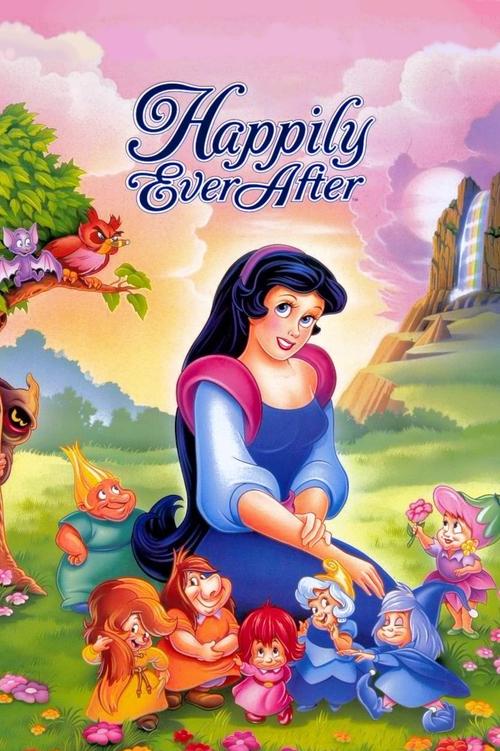
Happily Ever After
The Ewok Adventure
Nov 7, 1974
Jul 6, 1989
Paramount Pictures #8017 [VHS] 88 minutes
© 2025-2026 MovieNight. All rights reserved.
Versus
Sign in to play →
The Vast Landscape: Porcelain Stories
2014
Derrick & Boyd
2022
Sign in to vote
Battle your watched movies head-to-head
Community Top Movies
Evil Dead II
1987 · 14 wins
The Dark Knight
2008 · 14 wins

Halloween
1978 · 13 wins
Final Destination
2000 · 12 wins

Halloween II
1981 · 11 wins
Trivia
Leaderboard →Playing as a guest — sign in to save your score and rank on the leaderboard.
Movie Trivia
Guess the movie from a clue — tagline, plot, cast and more. Pick from four posters.
What movie experience do you prefer?
What is your favorite movie genre?
Versus
Sign in to play →
The Vast Landscape: Porcelain Stories
2014
Derrick & Boyd
2022
Sign in to vote
Battle your watched movies head-to-head
Community Top Movies
Evil Dead II
1987 · 14 wins
The Dark Knight
2008 · 14 wins
Halloween
1978 · 13 wins
Final Destination
2000 · 12 wins
Halloween II
1981 · 11 wins
Trivia
Leaderboard →Playing as a guest — sign in to save your score and rank on the leaderboard.
Movie Trivia
Guess the movie from a clue — tagline, plot, cast and more. Pick from four posters.
What movie experience do you prefer?
What is your favorite movie genre?
We use essential cookies to run MovieNight, plus analytics (Google Analytics) and advertising (Google AdSense) cookies. By continuing to browse, you agree to this — or click No and we won't. See our Terms & Privacy Policy to learn more.