
Get the MovieNight app
Add it to your home screen — faster & full screen
Get the MovieNight app
Add it to your home screen — faster & full screen

 Detour Filmproduction
 IFC Productions
Not part of a collection.
12 years in the making.
The film tells a story of a divorced couple trying to raise their young son. The story follows the boy for twelve years, from first grade at age 6 through 12th grade at age 17-18, and examines his relationship with his parents as he grows.

The Movie Diorama
Jan 16, 2020 · via TMDB
Boyhood organically condenses twelve years of upbringing into an undramatic three hour behemoth. The journey of adolescence is one personality-altering experience that each of us inevitably undertakes. An existential life step that physically and personably transforms our very bodies, from innocent child to independent adult. Parents forced to release their protective talons and enable their children to venture out into the harsh world, justifiably falling down the pitfalls of life and picking themselves back up again. But what’s the point of it all? We grow up. We attend school. We work. We live, love and lie. Only to see ourselves never progress on a personal level. Life is valuable. It is a finite amount of time that rapidly ticks by at the rate to which we grow older. It can often be disillusioning, but most importantly, it can be special. It’s up to us to make the most out of the limited time bestowed upon us. Linklater’s sprawling coming-of-age epic is a technical masterclass in ingenuity. Depicting the adolescence of a young boy growing up in Texas with his divorced parents. Logistically, literarily and lovingly, Linklater opted for the innovative concept of filming in real-time. The actors physically growing with their characters, with the ability to add personal experiences to the narrative. This ambitious depiction of maturing is subconsciously organic, and proved to be an effective method in illustrating adolescence. It kept the casting limited, without having to obtain multiples actors for the same character at different stages of childhood, and exhumed a sense of natural intuition. That being said, this meticulous construct of film-making unfortunately facilitated a mellow story that lacked any drama or emotional depth. Coming-of-age dramas work effectively when depicting one specific year that dares to dramatically endeavour into relatability. The issue with Boyhood is that, due to its extensive duration of narrational time, several aspects were emotionally subdued. For example, Mason experimenting with alcohol and recreational substances. Linklater failed to dig into the emotional conflict that lead Mason down that path, merely likening the character to an empty shell. Another example, Bill drunkenly assaulting Olivia. Again, this case of domestic abuse is only touched upon before Linklater moves on with Mason’s life. Boyhood is essentially a montage of fictitious memories. Good and bad. It’s all part of growing up. But does that necessarily result in an entertaining or emotionally captivating film? For me, it’s a hesitant “no”. Sure, there will be scenes that are relatable to your own upbringing and therefore engage you momentarily. Personally I warmed to the scenes involving Hawke’s fatherly figure and his attempt to rekindle with his children. Growing up with divorced parents, Linklater’s dialogue was incredibly realistic and related to my own life. But as I said, he then quickly moves on with the narrative and the emotionality is diminished yet again. Hawke and Arquette offer their intense acting styles to spice up the narrative, however Coltrane and Linklater’s own daughter rarely displayed variety. The plot’s structure itself commenced with nostalgic-fuelled simplicity (GameBoy Advance SP, DragonBall Z, Coldplay’s “Yellow” etc.) and then ending on philosophical existentialism, which I suppose merged adequately with Mason’s advancing frame of mind. Yet I cannot shake the feeling of disappointment. Linklater took no risks with the story. Limited emotional depth. Boyhood, for all its technical ingenuity, remained hollow. “One of the greatest films of the decade”? I’m not convinced, yet I appreciate the innovation behind the lacklustre story.

mattwilde123
Mar 9, 2017 · via TMDB
Richard Linklater's 'Boyhood' is a brilliant film about life and the struggle to find meaning. It follows a family through a twelve year period as they endure situations and tackle obstacles together. The main technical aspect of the film is a very controversial and memorable one as Linklater hired his main actors and continued to follow them for twelve years thus adding to the realism of the feature adding much poignancy to the themes. The overall direction can be considered very naturalistic and simple but there are wonderful shots of natural environments such as the beautiful river that Mason and his father visit representing the beauty of life whilst underlining the insignificance of man's role in the world. The screenplay is a touching study of the meaning of life. There is a great balance of humour and heart-rending dialogue throughout the film. At 165 minutes, the movie is a long one but the pacing was perfect and captivating that I hardly noted the film's duration. The characters each have profound dialogue in which they discuss the journey of which they (and we) are going through and question the reasoning of difficult events. The performances in 'Boyhood' are exceptional. Mason (Ellar Coltrane) starts off as relatively inexperienced and under-developed but matures as the film progresses adding substance to his character's arch. This performance is supported by the excellent Patricia Arquette who plays the mother. Arquette manages to portray the mother perfectly as she undergoes traumatic events that shape her family's life. Overall, I feel that 'Boyhood' is a technically brilliant achievement in film-making. Not only is the process fascinating in terms of the methods used to create the film but it is also a fascinating investigation into time. ★★★★½
tmdb39513728
Feb 4, 2015 · via TMDB
**Phenomenal** When you think back to _Slackers_ you remember how easy that movie flowed. How comfortably it drifted. Just go with it. Let it happen, live in the moment. Then there's the _Before trilogy_ which again seemed effortless and free-flowing yet constructed with so much care that you knew this filmmaker was not only unusual, but acutely human. That he cherished experience and learning and submitted to the eternal present, surrendering to and tinkering with fate, while tending to the perpetually immediate situation with enormous sensitivity and regard. But nothing could prepare you for _Boyhood_. You can't overstate the fact that it's a grand free-flowing time-lapse experiment and that most of the actors--no not actors, not performers--most of the people were cast when the central figure was a very young boy, looking up at the sky, having no idea how his future would unfold. The world might be a stage but Richard Linkater is not omnipotent. As a definitive work-in-progress, a daring collaboration with fate and destiny, who could really know how the boy's script was going to turn out, and how the wide array of voices in his life would shape him as he stumbles toward adulthood? Only a true sure-footed and fluid filmmaker, an authentic disarming innovator could raise this baby with as much beauty and wisdom. Dazed and Confused? Make room for Clear and Composed. Hear the lamb howl. _Boyhood_ is a daring experimental wolf wrapped in conventional wool. Needing to be shot chronologically, the linear time-line and 12-year shooting schedule called for a fresh and original approach to crafting a movie. If something went wrong during the many long gaps in production, say, if an actor suddenly became unavailable, or some drastic circumstance threatened to break the continuity of the boy and his family's life, there's no going back to re-shoot. No relying on special effects make-up or casting young and old versions of a character. The faith invested in this concept and the delicate handling of it's execution is a marvel to witness, blooming before our eyes. Patricia Arquette was growing up too. Aging faster than Ellar Coltrane, it appeared. This movie defies breaking up into a series of disjointed, episodic fragments. And Arquette stitches together an admirable and dedicated performance as the ubiquitous maternal defender who struggles to keep herself and her family from falling apart. Because of the blur between fiction and reality, between drama and documentary, and because of the way Linklater is able to nurture the process and allow his films to take on a life of their own, Arquette may not be acting on set any more than she has to in real life. A slight adjustment in perspective and this movie could have been called _Motherhood_.
User reviews courtesy of TMDB.
 Amazon Video
 Apple TV Store
 Google Play Movies
 YouTube
 Fandango At Home
 Netflix
 Hulu
Hulu
 Philo
Philo
 AMC Plus Apple TV channel
 AMC+ Amazon Channel
 AMC+
AMC+
 YouTube TV
 Criterion Channel
 Sundance Now
 MUBI Amazon Channel
Amazon Video
Apple TV Store
Google Play Movies
YouTube
Fandango At Home
MUBI Amazon Channel
Amazon Video
Apple TV Store
Google Play Movies
YouTube
Fandango At Home

Ellar Coltrane
Mason

Patricia Arquette
Mom

Ethan Hawke
Dad

Lorelei Linklater
Samantha
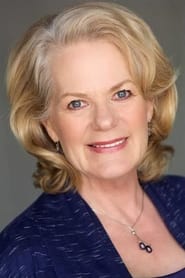
Libby Villari
Grandma
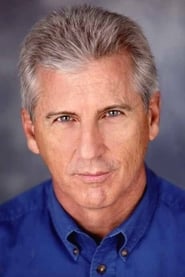
Marco Perella
Professor Bill Welbrock

Brad Hawkins
Jim

Jamie Howard
Mindy

Jenni Tooley
Annie

Zoe Graham
Sheena

Charlie Sexton
Jimmy

Elijah Smith
Tommy
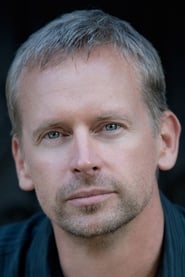
Steven Chester Prince
Ted
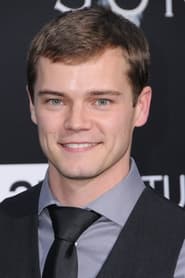
Shane Graham
Neighborhood Friend #1

David Blackwell
Liquor Store Clerk

Jennifer Griffin
Mrs. Darby

Merrilee McCommas
Obama Mama

Tamara Jolaine
Tammy

Jordan Howard
Tony

Evie Thompson
Jill
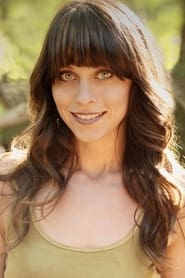
Savannah Welch
College Girl Singer

Nick Krause
Charlie
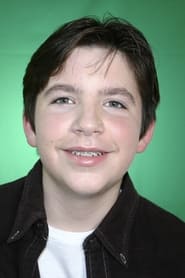
Derek Chase Hickey
Charlie's Friend

Angela Rawna
Professor Douglas

Roland Ruiz
Ernesto
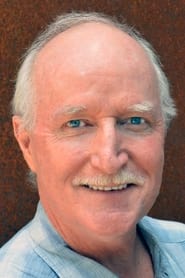
Richard Andrew Jones
Grandpa Cliff
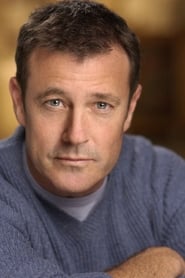
Tom McTigue
Mr. Turlington

Sam Dillon
Nick

Richard Robichaux
Mason's Boss

Bruce Salmon
Guitar Player
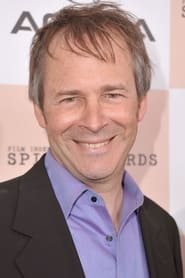
Chris Doubek
Guy in Diner
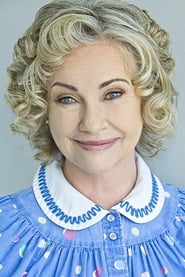
Mona Lee Fultz
High School Teacher
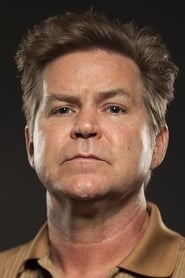
Bill Wise
Uncle Steve

Maximillian McNamara
Dalton

Jessi Mechler
Nicole

Heather Materne
Parent (uncredited)

Johnny Walter
Dinner Guest (uncredited)

Natalie Makenna
College Student (uncredited)
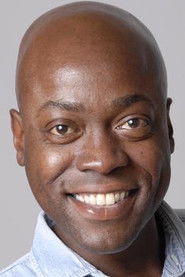
Ken Edwards
Dinner Guest (uncredited)

Lee Daniel
Director of Photography

Shane F. Kelly
Director of Photography

Jeff Schwan
Stunts

Vincent Palmo Jr.
Assistant Director
Richard Linklater
Director

Jeff Guerrero
Second Assistant Director
Sandra Adair
Editor
Sandra Adair
Co-Producer
Vincent Palmo Jr.
Co-Producer

Cathleen Sutherland
Producer

John Sloss
Producer
Jonathan Sehring
Producer
Richard Linklater
Producer
Jeff Guerrero
Production Coordinator
Richard Linklater
Writer
Who Are You Really?
LPDM by Nawal Kaffouf
Eclipse
Échappé

The Little Candles Courage

99 Miles Till LA
Strangle
Moth!

Rode College
Little Death

SKZFLIX (ROCK-STAR)

On Wheels

The Rooftop
National Theatre Live: Death of England: Michael
The Happy Couple
Paris, Texas
Yojimbo

American Beauty

Green Days by the River
In Our Prime
Youthful
Comedy of Divorce
Freedom Writers

I'm Still Here
Stand by Me
Aparajito

Mysterious Skin
Manhattan
The Girl from the Other Side

Shower Boys
10 Things I Hate About You
American Gangster

Boogie Nights
Synecdoche, New York
Head-On
Almost Famous
Obsession
Yellow Ticket
Still Alice
The Cave of the Yellow Dog

Wood Job!
Lovers of the Arctic Circle

La Cérémonie
The Return

Peacock

Chemical Hearts
The Karate Kid
Closely Watched Trains
Wake Up Sid
The Hours
Don't Worry, I'm Fine
Twin Peaks: The Missing Pieces

Alaska

Lonely Heart
Open Hearts
Bed and Board
Desert Hearts
The Story of the Weeping Camel
Notes on a Scandal

The Virgin Suicides
Small Change

The Soft Skin
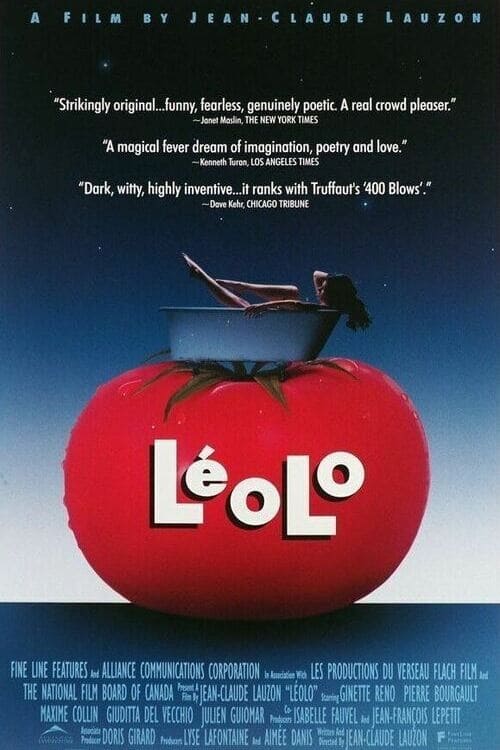
Léolo
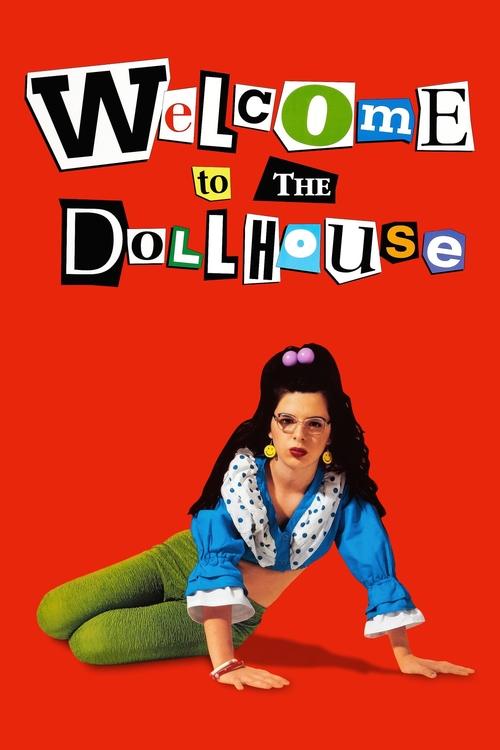
Welcome to the Dollhouse
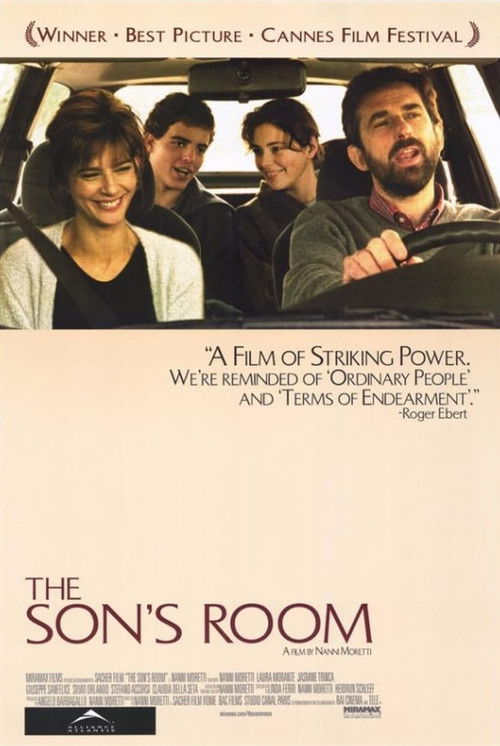
The Son's Room
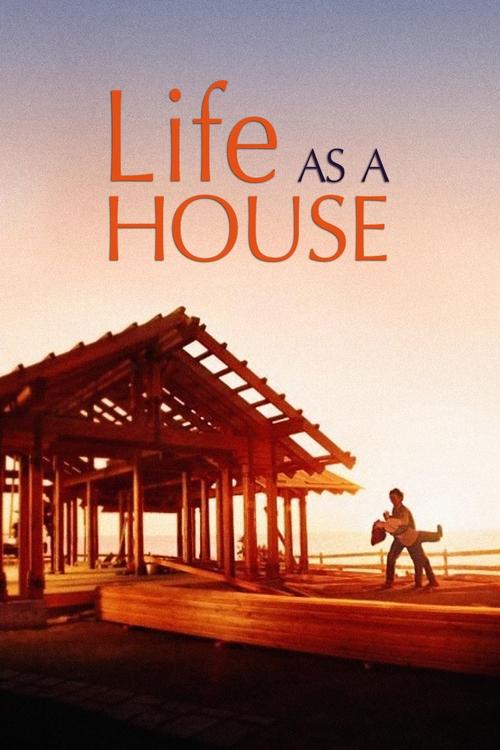
Life as a House

Show Me Love
Tess
The Ernest Green Story
American Graffiti
Arlington Road

West Beirut

Let Me Eat Your Pancreas
Contempt
Millennium Mambo

God Forbid a Worse Thing Should Happen

Sticky Matters
Never Never Forget Me
Thank You, Eve
Northwood Pie
11:47

Love Will Save Us
Visions of Violence
The Host
The Lost Boys
Insomnia
The War of the Roses
Beyond Silence
The Prime of Miss Jean Brodie
We Are Marshall
Handle with Care
Hard Miles

Silent Light
The Great Santini
Human Traffic
Sleep Sweet, My Darling
Gabriel
My Little Brother

What She Likes
Chinaman

Games of Love and Chance
Nowhere
Flirting

Meus 15 Anos: O Filme

She Paradise
Burn After Reading
Private Number
Parenthood
Enough

2 or 3 Things I Know About Him
City of Hope

War and Peace
River's Edge
Career Girls
Sweet Girl
High School Musical 3: Senior Year
Nell
Small Deaths
Pieces of April
Paranoid Park
Golden Door

L'Animale
The Gift
Five Times Two
Class of 1984

My Bodyguard
Six Pack
The Box
The Good Shepherd
Mongolian Ping Pong

Bend It Like Beckham
1-2-3 Corona

Husband Father Killer: The Alyssa Pladl Story
Mystic Pizza
Circle of Friends
Gasman
Roads
The Astronaut Farmer

Popular Music
Shameless: Abnormal and Abusive Love
Longing
Thumbsucker
A Thousand Years of Good Prayers
Personally Yours
A Tale of Love and Desire
The Rules of Attraction
Murder by Numbers

The Shape of Things
White Water Summer
Wir sagen Du! Schatz.
Yongsoon
Dancing at Lughnasa
Orange County
Homecoming
They Have Escaped

A quien cierra los ojos
4 Minute Mile
The Riot Club

Royalteen

The French Kissers

Bandslam
Two Queens and One Consort
The Thanksgiving Promise

Brother
Butterfly Cloud
The Battle of Shaker Heights
Dangerous Game
L'immoralità
Summer '04
Schroeder's Wonderful World

Exhibit A
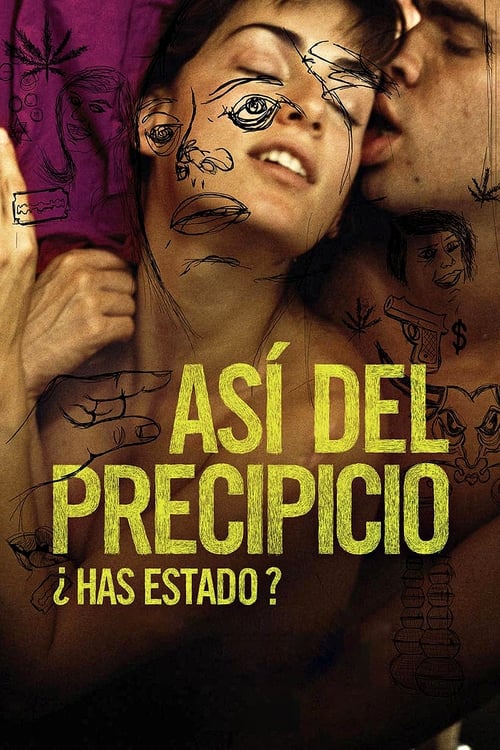
On the Edge
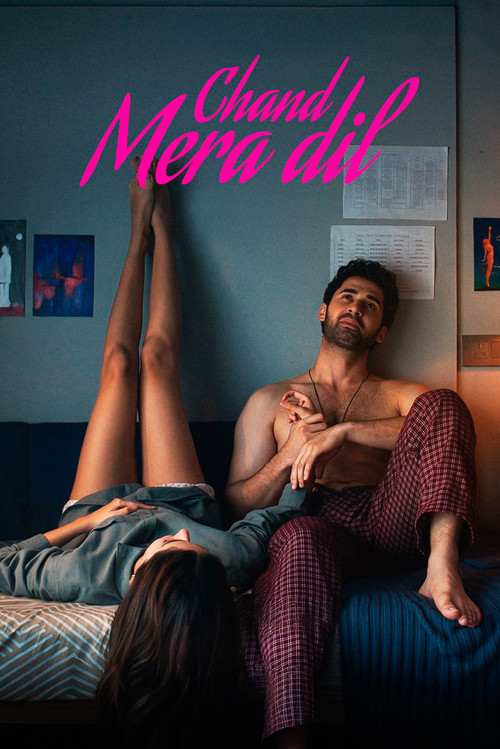
Chand Mera Dil
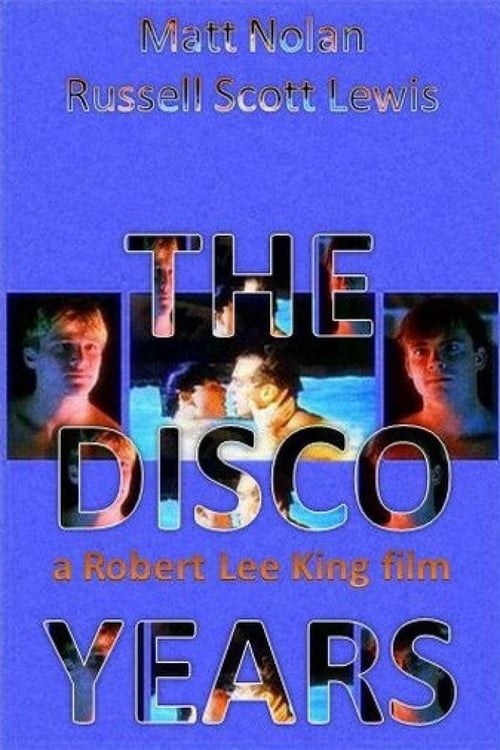
The Disco Years
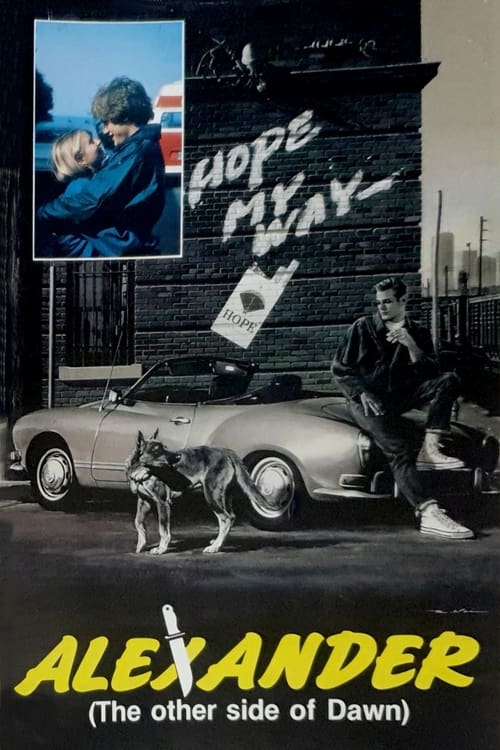
Alexander: The Other Side of Dawn

Rocco & Sjuul
Oru Mexican Aparatha
Dangerous Games

The Volunteer

Red Island
Out of Time
Broadway Bad

Virtual Sexuality

Porcupine Lake
My Sweet Prince
Harriet the Spy: Blog Wars

A Woman in Flames

The Choking Game

Ardor
Everything You Want

Wasted
Spin

Shaina
Ocaso

Free Floating

Sharp Stick
Tag
Marrying the Mafia 3: Family Hustle
Affluenza

Silence Is Welcome

Valerie
A Lady Surrenders
A Long Way Home

Juan Gabriel is Dead
Tuhan, Benarkah Kau Mendengarku?
The Quarry

Salaam Kashmier

Family Ornaments
Caralique
I Accept Me!
The Swedish Boys
The Divorce
Nothing
The Lily and the Rose
Apocryphal

The Great Bazaar
Hikikomori

Buddhanum Chaplinum Chirikkunnu

Hierarchy of Girls: A Girl at the Bottom

Queen for a Day
Goodbye Darling, I'm Off to Fight
What Home Feels Like

Puppy Love
Living Room
The Gabriels: Election Year in the Life of One Family, Play One: Hungry
The Gabriels: Election Year in the Life of One Family, Play Two: What Did You Expect?
The Gabriels: Election Year in the Life of One Family, Play Three: Women of a Certain Age
LingLing
Summer Sounds
Guacho
Ellipsis
Spring Break
Stand Up
Greta

Kyō Kara Ore Wa!! Dengeki no 17 Sai
Julia's New Friend
She Never Had A Home For Me
Ski-Doo
Anak
One Year After According My Grandpa
The Bee-Eaters

Stigma, Style
La mort petita
Away Out
Death in Torrevieja

Pisces

El Desconsuelo
Shunya
Bobby Beauty Parlour
Finger Guns
Porcelain

A Worried Child
niemand wie ihr
Pour Mia

Mango Baby
Sometimes I Suddenly Think of You
The Whale's Tooth
Letters To Freedom
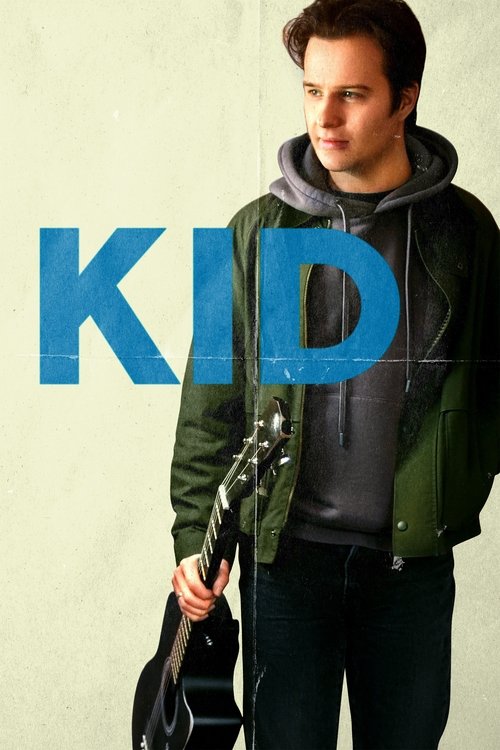
Kid
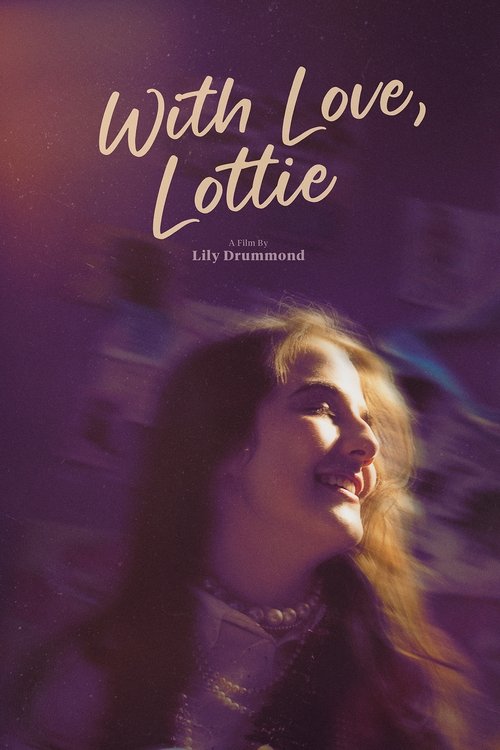
With Love, Lottie
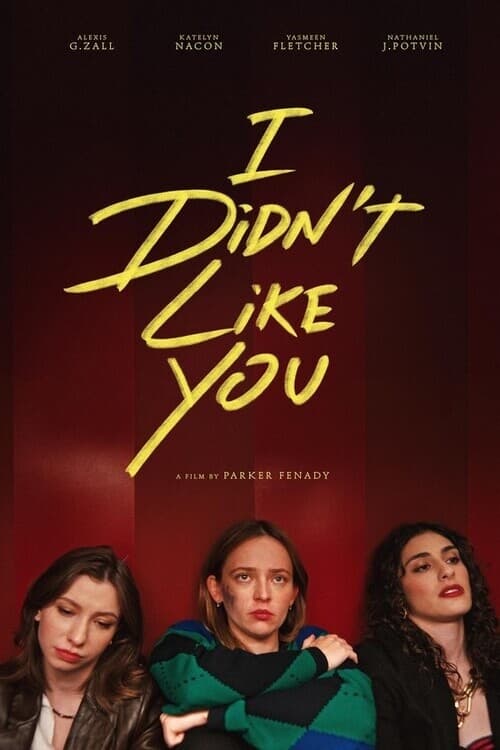
I Didn't Like You
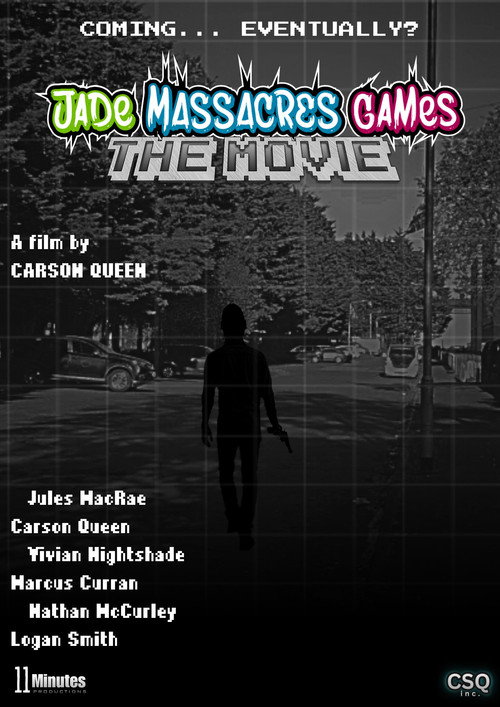
Jade Massacres Games: The Movie

Dump of Untitled Pieces

Unmasking

I Don't Know What To Do With My Hands
Under the Sheet

The Rhythm of My Heart

Restoration

Can You Hear Me?
Mi Unico Hijo
Sun and Moon

EVA & BIANCA
spilled milk
Casey Makes A Mixtape
Dû bist mîn ich bin dîn
King of Games
Whispers
Mildlife
My Precious Si
The Day of No One

Brothers by the River
Essentially Amy
Storytellers
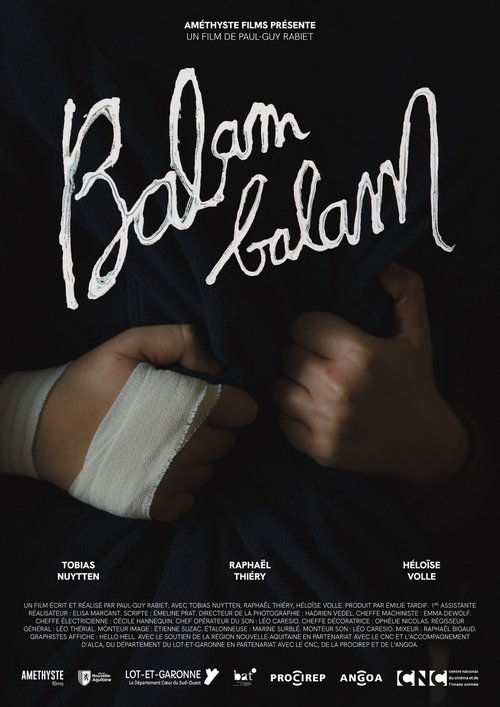
Balam Balam
Tu leurs diras toi, comment meurent les fantômes
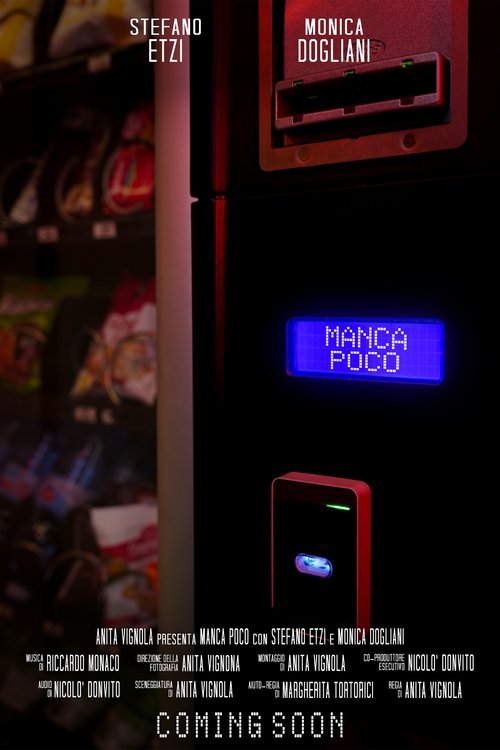
Manca Poco

Ban Dal (Half-Moon)
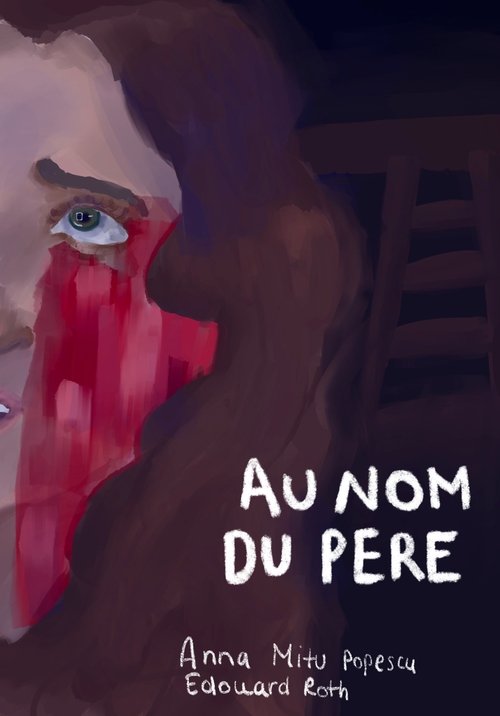
Au Nom Du Père
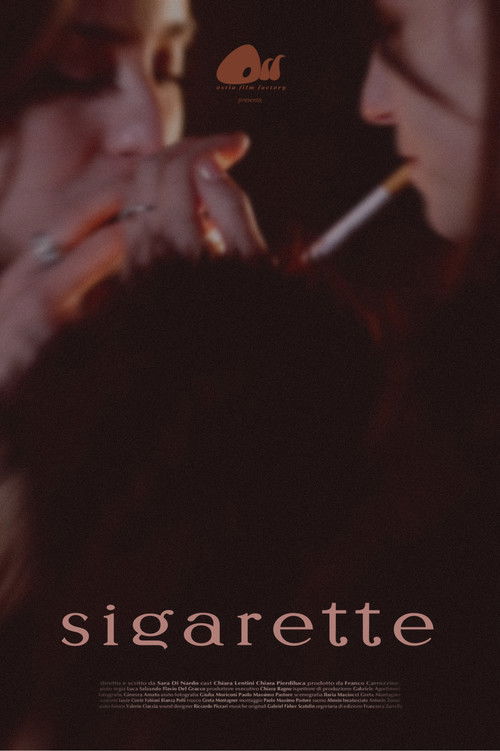
Cigarettes
Forever Running Away
Life Goes On

Talvez Amanhã.
Trans. Caos. Comédia.
Rocketship
It's a Wonderful Life
Palmer
American Beauty
Room

Short Term 12

Out of My Mind
Detachment
Love You to Death
Kramer vs. Kramer
The Fabelmans
I Can Only Imagine
Rebel Without a Cause
The Book of Henry
Nocturnal Animals
The Judge
Good Boy

20th Century Women
Homeless to Harvard: The Liz Murray Story
La Bamba

Bird
Ladybird Ladybird
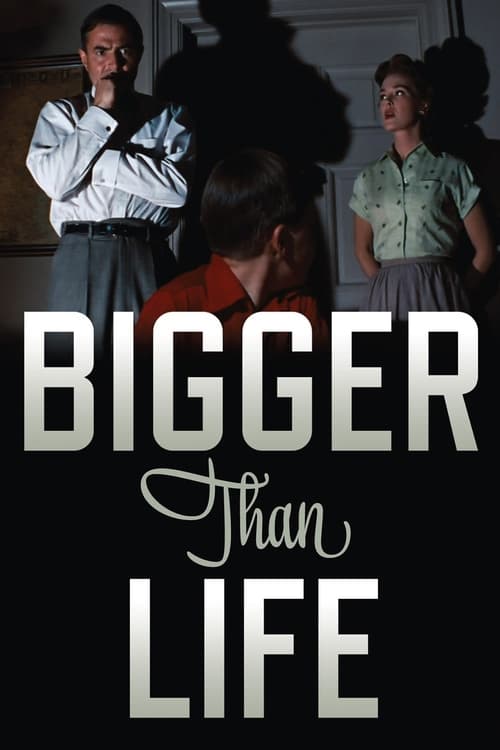
Bigger Than Life

Fathers and Daughters
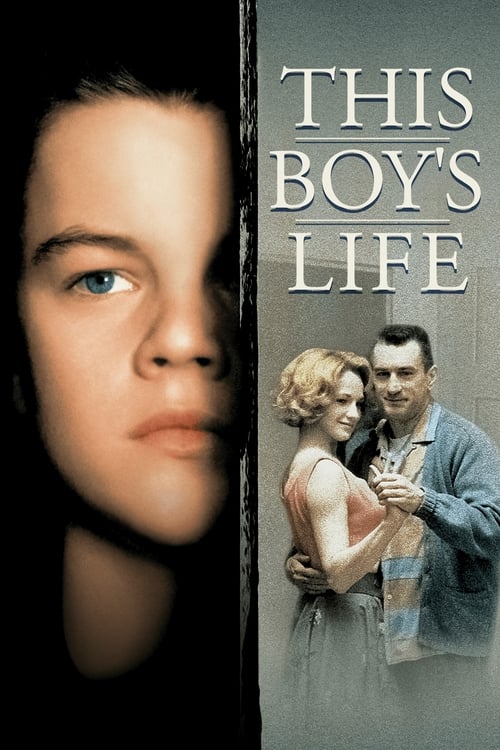
This Boy's Life
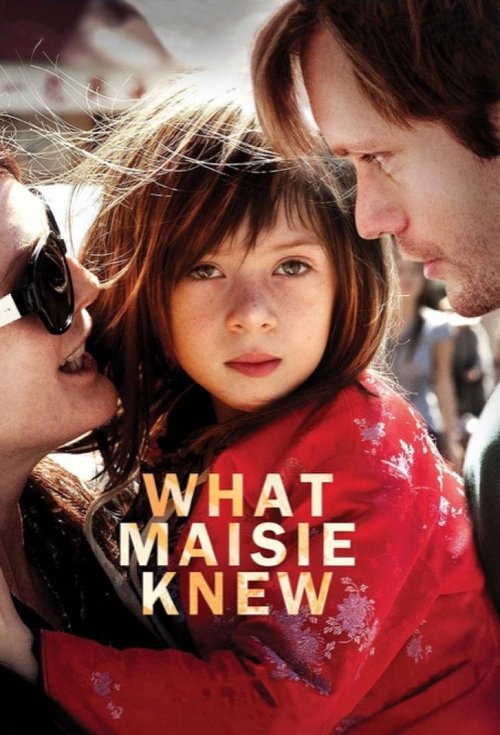
What Maisie Knew
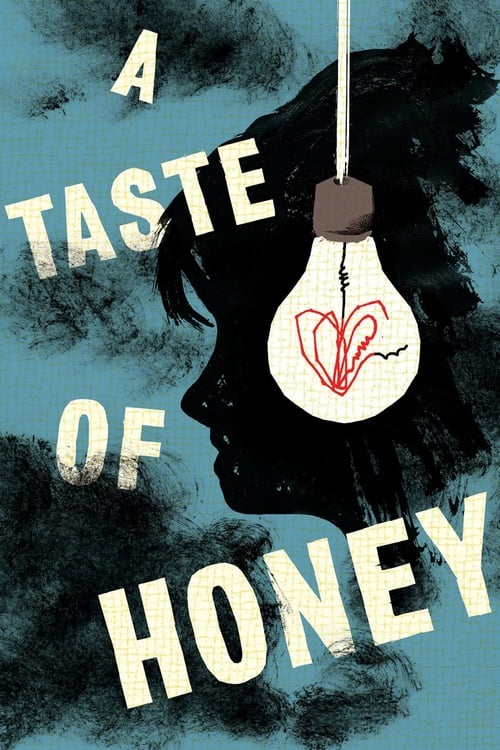
A Taste of Honey
Life as a House

Boy A
The Glass Castle
Over the Edge

The Lovely Bones
The Color Purple
The Long, Hot Summer
What's Love Got to Do with It
A Home of Our Own

The Burning Bed
As You Are
Spencer's Mountain
He Got Game
The Son
Tigertail
The Gift

I Never Sang for My Father
Bravetown
The Pumpkin Eater
Hillbilly Elegy
Unconditional
May December
Gimme Shelter
The Thing with Feathers
Where the Red Fern Grows
Falling
The Killing of Two Lovers
Skin
Mommie Dearest
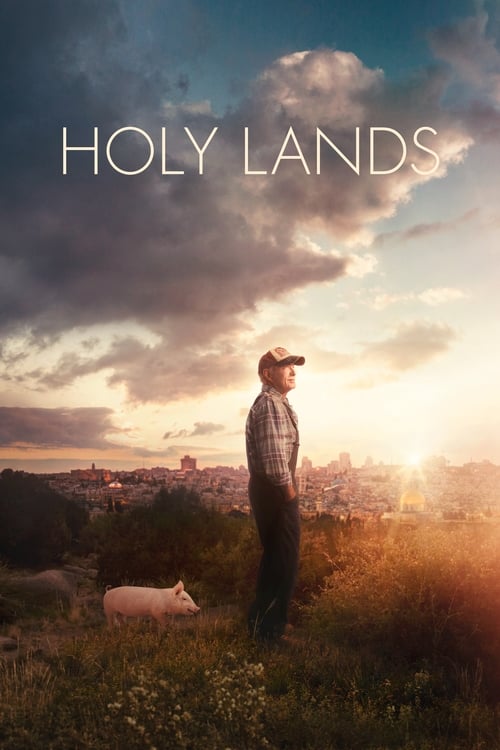
Holy Lands
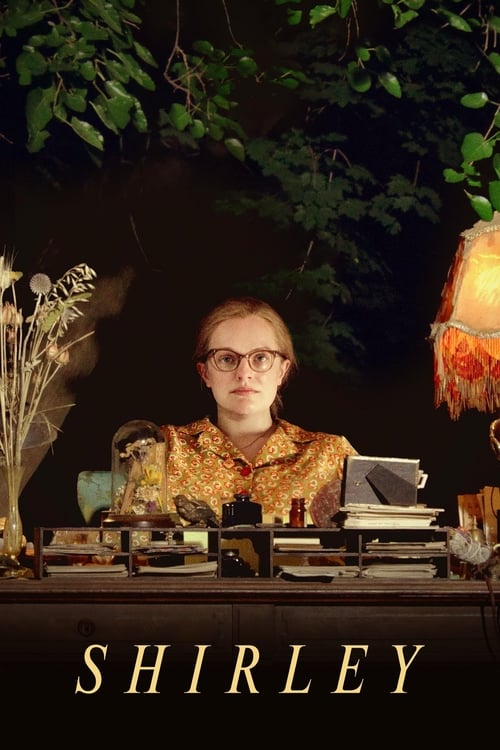
Shirley

Albatross
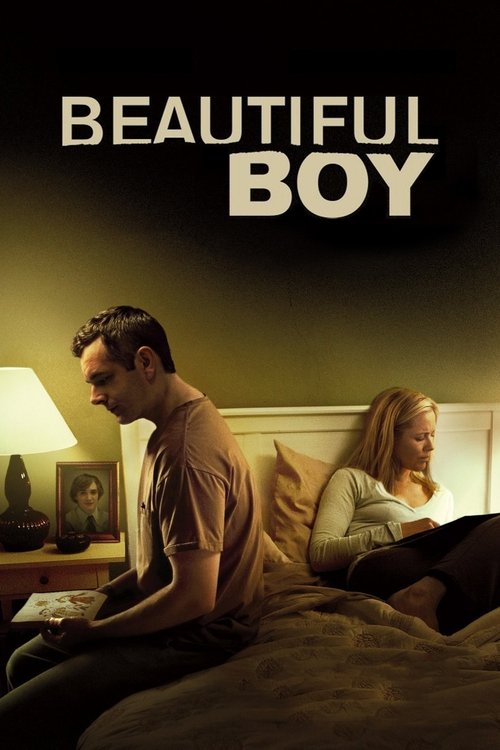
Beautiful Boy
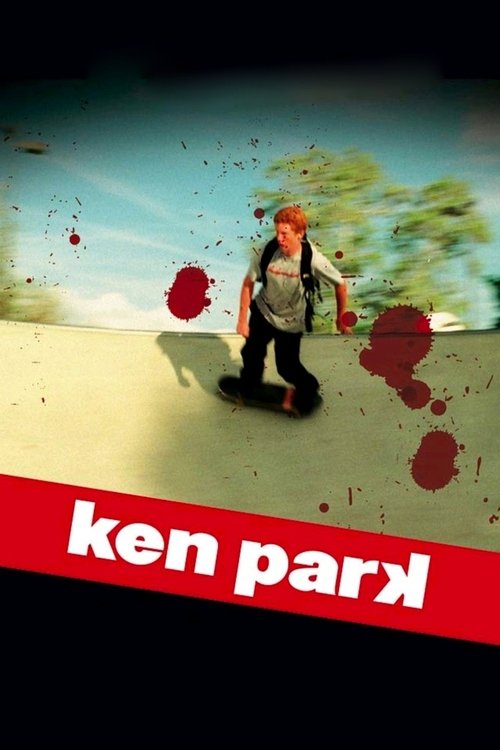
Ken Park
Hellion
Joe the King

Grandview, U.S.A.
Jan 19, 2014
Sundance Film Festival
Mar 9, 2014
South by Southwest Film Festival
Jul 7, 2014
New York City, New York
Jul 11, 2014
Aug 15, 2014
Dec 9, 2014
Jan 6, 2015
Apr 25, 2015
Showtime
© 2025-2026 MovieNight. All rights reserved.
Versus
Sign in to play →
Three Hours to Kill
1954
The Poynting Vec↑or
2022
Sign in to vote
Battle your watched movies head-to-head
Community Top Movies

Evil Dead II
1987 · 14 wins
The Dark Knight
2008 · 14 wins

Halloween
1978 · 13 wins
Final Destination
2000 · 12 wins

Halloween II
1981 · 11 wins
Trivia
Leaderboard →Playing as a guest — sign in to save your score and rank on the leaderboard.
Movie Trivia
Guess the movie from a clue — tagline, plot, cast and more. Pick from four posters.
What movie experience do you prefer?
What is your favorite movie genre?
Versus
Sign in to play →
Three Hours to Kill
1954
The Poynting Vec↑or
2022
Sign in to vote
Battle your watched movies head-to-head
Community Top Movies
Evil Dead II
1987 · 14 wins
The Dark Knight
2008 · 14 wins
Halloween
1978 · 13 wins
Final Destination
2000 · 12 wins
Halloween II
1981 · 11 wins
Trivia
Leaderboard →Playing as a guest — sign in to save your score and rank on the leaderboard.
Movie Trivia
Guess the movie from a clue — tagline, plot, cast and more. Pick from four posters.
What movie experience do you prefer?
What is your favorite movie genre?
We use essential cookies to run MovieNight, plus analytics (Google Analytics) and advertising (Google AdSense) cookies. By continuing to browse, you agree to this — or click No and we won't. See our Terms & Privacy Policy to learn more.