
Get the MovieNight app
Add it to your home screen — faster & full screen
Get the MovieNight app
Add it to your home screen — faster & full screen
 Amblin Entertainment
 Reliance Entertainment
Not part of a collection.
Capture every moment.
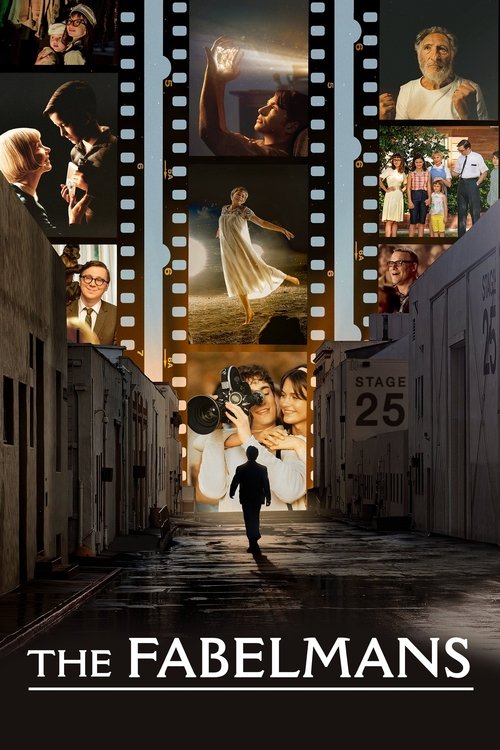
Growing up in post-World War II era Arizona, young Sammy Fabelman aspires to become a filmmaker as he reaches adolescence, but soon discovers a shattering family secret and explores how the power of films can help him see the truth.

Marco-Hugo Landeta Vacas
Sep 13, 2026 · via TMDB
(CASTELLANO) Me ha gustado mucho porque no la sentí como una simple "carta de amor al cine", de esas que suenan bonitas pero se quedan en postal. Me llegó más hondo. La vi como una película sobre cómo nace una mirada, pero también sobre lo que cuesta tenerla. Sobre un niño que descubre que una cámara puede ser un juguete, un escudo, una forma de ordenar el caos y también un instrumento peligroso, porque cuando uno mira de verdad empieza a ver cosas que quizá preferiría no haber visto. Lo precioso es que Spielberg no convierte su infancia en un altar perfecto. Hay ternura y una emoción enorme por el descubrimiento del cine, pero también hay tristeza, grietas familiares, mudanzas, soledad, culpa y esa sensación de que crecer consiste en entender que tus padres no son solo "tus padres", sino personas con deseos, renuncias, errores y dolores propios. Por eso me pareció tan bonita: porque habla del amor familiar sin negar lo que ese amor puede romper por dentro. La madre es el corazón más luminoso y más doloroso. Michelle Williams está extraordinaria, con alegría, fragilidad, necesidad de vivir y tristeza escondida. Es una persona que ama, hiere, no sabe quedarse quieta y a veces parece iluminar una habitación y apagarla al mismo tiempo. La película la mira con adoración, pero no con ceguera. Paul Dano también me pareció magnífico en el otro extremo: un padre bueno, inteligente, racional, trabajador, incapaz de comprender del todo la fiebre artística de su hijo y de su mujer, pero no por maldad. Me gustó mucho que no lo convierta en villano. Quiere a su familia, pero no entiende que amar no siempre significa saber mirar. En esa diferencia entre la madre artista y el padre técnico está una de las grandes heridas: dos formas de entender la vida que se quieren y, aun así, no siempre pueden convivir. El protagonista crece justo en medio de esa tensión. Para él, filmar empieza siendo asombro, luego juego, luego oficio, luego necesidad. Me emocionó esa manera en que se muestra el aprendizaje casi físico del cine: cortar, montar, repetir, manipular una imagen, cambiar el sentido de un gesto, descubrir que la realidad puede transformarse al pasar por una cámara. No es teoría, es descubrimiento. Y ahí Spielberg demuestra una humildad preciosa: no se presenta como genio predestinado, sino como alguien que aprende mirando, equivocándose, obsesionándose y necesitando contar. Hay escenas sobre el poder de las imágenes que son una maravilla. La cámara no solo registra; revela. Puede embellecer, mentir, consolar y hacer daño. Esa idea me parece fundamental, porque aquí el cine no aparece como magia inocente, sino como una magia ambigua. Filmar puede unir a una familia, hacer feliz a unos amigos, convertir a un adolescente torpe en alguien con un lugar propio. Pero también puede mostrar una verdad íntima y obligar a mirar lo que nadie quería nombrar. También me gustó mucho su tono. Es larga, sí, pero yo la viví con placer, como si alguien estuviera abriendo una caja de recuerdos sin prisa. Tiene humor, luz y momentos de una calidez enorme, pero nunca me pareció blanda. Debajo de la amabilidad hay melancolía. Debajo de la nostalgia hay duelo. Y debajo del relato de vocación hay una pregunta dura: cuánto se puede sacrificar por hacer aquello que uno necesita hacer. El cine aparece como refugio, pero también como separación. La parte adolescente me parece especialmente buena porque no idealiza el camino. Hay torpeza, antisemitismo, deseo de encajar, humillación, rabia y ese miedo tan reconocible a no pertenecer a ninguna parte. Las películas caseras le dan poder, pero también lo aíslan. Le permiten vengarse, seducir, controlar una situación o transformar a quienes lo rodean en personajes. Y eso tiene algo fascinante y algo inquietante. La vocación no aparece como una bendición limpia, sino como una fuerza que salva y complica a la vez. Entiendo que algunos puedan verla como una obra autoindulgente o demasiado amable. Pero a mí me pareció justo lo contrario: un acto de memoria muy generoso, lleno de amor y de perdón, pero también de lucidez. Spielberg se mira con cariño, sí, pero no se limita a decir “mirad cómo nació el mago”. Lo que cuenta es más hermoso: cómo un niño descubre que el cine puede ordenar su mundo cuando su mundo empieza a romperse. Y eso me parece profundamente emocionante. Al final, me quedé con la sensación de haber visto una película grande, íntima y muy humana. Una obra sobre la familia, la vocación, la memoria, el dolor de crecer y la necesidad de convertir lo vivido en imágenes para poder entenderlo. Tiene momentos admirables, interpretaciones preciosas y una emoción que no me pareció fabricada, sino nacida de alguien que lleva toda la vida contando historias y por fin se atreve a mirar hacia el origen de todas ellas. Me gustó mucho. Parece suave, pero se queda dentro. (ENGLISH) I liked it very much because I did not feel it as a simple “love letter to cinema”, the kind that sounds beautiful but remains a postcard. It reached me deeper. I saw it as a film about how a gaze is born, but also about what it costs to have one. About a child who discovers that a camera can be a toy, a shield, a way of ordering chaos and also a dangerous instrument, because when you truly look, you begin to see things you might rather not have seen. What is beautiful is that Spielberg does not turn his childhood into a perfect altar. There is tenderness and enormous emotion in the discovery of cinema, but there is also sadness, family cracks, moves, loneliness, guilt and that feeling that growing up means understanding that your parents are not just “your parents”, but people with desires, renunciations, mistakes and pains of their own. That is why I found it so beautiful: because it speaks of family love without denying what that love can break inside. The mother is the most luminous and most painful heart of the film. Michelle Williams is extraordinary, with joy, fragility, a need to live and hidden sadness. She is a person who loves, wounds, cannot stay still and sometimes seems to light up a room and darken it at the same time. The film looks at her with adoration, but not with blindness. Paul Dano also seemed magnificent to me at the other extreme: a good, intelligent, rational, hardworking father, unable to fully understand the artistic fever of his son and wife, but not out of cruelty. I really liked that the film does not turn him into a villain. He loves his family, but he does not understand that loving does not always mean knowing how to look. In that difference between the artist mother and the technical father lies one of the great wounds: two ways of understanding life that love each other and yet cannot always coexist. The protagonist grows up right in the middle of that tension. For him, filming begins as wonder, then play, then craft, then necessity. I was moved by the way the film shows the almost physical apprenticeship of cinema: cutting, editing, repeating, manipulating an image, changing the meaning of a gesture, discovering that reality can be transformed when it passes through a camera. It is not theory, it is discovery. And there Spielberg shows a lovely humility: he does not present himself as a predestined genius, but as someone who learns by looking, making mistakes, obsessing and needing to tell. There are scenes about the power of images that are wonderful. The camera does not only record; it reveals. It can beautify, lie, console and hurt. That idea seems fundamental to me, because here cinema does not appear as innocent magic, but as ambiguous magic. Filming can unite a family, make friends happy, turn an awkward teenager into someone with a place of his own. But it can also show an intimate truth and force everyone to look at what nobody wanted to name. I also really liked its tone. It is long, yes, but I lived it with pleasure, as if someone were opening a box of memories without hurry. It has humor, light and moments of enormous warmth, but it never seemed soft to me. Beneath the kindness there is melancholy. Beneath the nostalgia there is grief. And beneath the story of vocation there is a hard question: how much can be sacrificed to do what one needs to do. Cinema appears as refuge, but also as separation. The teenage section seems especially good to me because it does not idealize the path. There is awkwardness, antisemitism, the desire to fit in, humiliation, anger and that very recognizable fear of not belonging anywhere. The home movies give him power, but also isolate him. They allow him to take revenge, seduce, control a situation or transform those around him into characters. And that has something fascinating and something disturbing. Vocation does not appear as a clean blessing, but as a force that both saves and complicates. I understand that some may see it as self-indulgent or too kind. But to me it seemed exactly the opposite: an act of memory that is very generous, full of love and forgiveness, but also lucid. Spielberg looks at himself with affection, yes, but he does not simply say, “look how the magician was born”. What he tells is more beautiful: how a child discovers that cinema can order his world when his world begins to break. And that seems deeply moving to me. In the end, I was left with the feeling of having seen a large, intimate and very human film. A work about family, vocation, memory, the pain of growing up and the need to turn lived experience into images in order to understand it. It has admirable moments, beautiful performances and an emotion that did not feel manufactured, but born from someone who has spent his whole life telling stories and finally dares to look back at the origin of all of them. I liked it very much. It seems gentle, but it stays inside.
badelf
Feb 16, 2023 · via TMDB
The film is eminently watchable. The acting and directing are, of course, excellent. The script, however, meanders aimlessly like Moses in the desert. Where's the point? What are the important take-aways? These questions and more are not answered. For such a long film, the character development of the supporting roles was wholly absent. In my movie list of Directors About Themselves (https://boxd.it/iEWZO), this is weakest of the whole bunch.
CinemaSerf
Feb 9, 2023 · via TMDB
Gabriel LaBelle is great in this generally entertaining and interesting tale of a young lad ("Sammy") growing up in post-war America who has a penchant (and eye) for film making. Growing up in an happy environment with mother "Mitzi" (Michelle Williams), father "Burt" (Paul Dano) and sister "Natalie" (Keeley Karsten) they all rub along amiably enough. His father is a developer in the computer industry, and together with their best family friend "Bennie" (Seth Rogan) relocate to a better opportunity in Arizona. It's after a family camping trip - and the death of his grandmother - that the young "Sammy" is asked to make a short movie from the film he shot whilst they were all messing about in the wilderness. His attention to the detail of his photography gradually reveals something that upsets him, and threatens the very equilibrium of their erstwhile happy family. What now ensues demonstrates how, gradually, all come to terms with his discovery and he determines just where his future career lies. I am not really a fan of Williams - I find her sterile most of the time; but here she is on really good form. The character of "Mitzi" is probably the most interesting, certainly the most conflicted - and she delivers it well. There are two lovely little, inspirational in differing ways, cameos from Judd Hirsch and from David Lynch at the end of this film that has a distinct lusciousness to it. Like the performances, the photography and the soundtrack are natural and engaging and could easily convince any of us that a career in film making is possible - indeed, straightforward! I don't know the extent to which it is autobiographical of Steven Spielberg's life, but to be honest I didn't really care. This is just a fine film to watch.
tensharpe
Feb 3, 2023 · via TMDB
“The Fabelmans” is a movie loosely based on the true story of Steven Spielberg’s own childhood. Produced after the death of his mother Leah Adler and using the fictional family name of the Fabelmans the movie focuses primarily on the iconic film makers family and the impact his parents divorce had on his young life. “The Fabelmans” is rich in exposing the influences behind classic movies like E.T. ( Set in a broken home ) and some early techniques at effects the film maker used to better his home movies. “The Fabelmans” starts in the 1950’s with Sammy Fabelman experiencing for the first time the magic of cinema with his parents. Slightly traumatised by the movie, particularly a train crash scene, it’s from this emotional experience the first glimpses of becoming a film maker appear. Who of us that have delved into the arts ( film making, actors , singers , performers , etc ) didn’t start off creating these types of home made replicas? The idyllic family set up, with the ever growing confident and more adept young home movie maker, becomes derailed when after editing his 8mm footage of a family camping trip he discovers all was not as he remembered. The impact of what Sam discovers about his concert pianist mother and that fateful trip results in the eventual breakdown of his parents. As the movie moves into the early 1960’s and Spielberg’s high school years “The Fabelmans”touches on religion, race issues and first love. Due to the impact of that fateful camping holiday and therefore following a hiatus of not wanting to make any further home movies, Sam is persuaded by his girlfriend to film the end of school year beach party get together. The impact of Sam’s return to film making is clearly visible after the graduation film he produced is shown at the school prom to great acclaim. “The Fabelmans” is well documented as being a love letter to cinema but equally it is Spielberg’s love letter to his family. This is the movies key fact, the acceptance of multiple things happening all at once. Vocation is driven by both fear and talent, loving relationships break down, and movies that appear simplistic are highly sophisticated. With an extremely satisfying ending “ The Fabelmans” is a beautifully crafted work of art and remarkable insight into one of the most famous and influential directors Hollywood has ever produced

Peter McGinn
Jan 6, 2023 · via TMDB
I saw several negative reviews before I watched this, and I assumed there was an element of grading someone a bit more harshly when they have achieved wild success or, heaven forbid, if they do stellar work in one genre such as sci-fi or adventure and then have the chutzpah to create a film in a different genre not appreciated by the sci-fi etc. fans. Maybe there was some of that baggage involved; how else to explain one-star reviews. Really? A disgusting gross-out comedy might get 4 stars, but a serious biopic gets one? But I have given it six stars, probably my low for a Spielberg movie. I thought the film was too episodic. Here is where he saw his first movie; here is him with his first camera; here is where he learns something upsetting about his parents’ marriage; here is some bullying and then that part in every coming of age movie it seems, where a pretty girl throws herself at him. Sure wish that had happened to me at that tender age. And some of the scenes felt rather cliched to me. Also, and this is a bit of a spoiler, at one point his mother assures him she has not done ”that” with Bennie, and she loves her children and husband more than anything, but she still can’t live without Bennie? I had trouble with that revelation. But it isn’t all negative stuff. I thought a lot of the acting was strong, with a few exceptions, and most of the dialogue was good, but when a film is 2 and a half hours long, consistency is hard to come by, and there were a few hiccups here and there. The scene with John Ford was intriguing, but they could have done a bit more with it. I liked the two sisters as characters, but again, not enough depth was given to them. A bit of a lost opportunity.
User reviews courtesy of TMDB.
 Amazon Video
 Apple TV Store
 Google Play Movies
 YouTube
 Fandango At Home
 Peacock Premium
 YouTube TV
 Peacock Premium Plus
Amazon Video
Apple TV Store
Google Play Movies
YouTube
Fandango At Home
Peacock Premium Plus
Amazon Video
Apple TV Store
Google Play Movies
YouTube
Fandango At Home
 Spectrum On Demand
Michelle Williams
Mitzi Fabelman
Paul Dano
Burt Fabelman

Seth Rogen
Benny Loewy

Gabriel LaBelle
Sammy Fabelman

Mateo Zoryan Francis-DeFord
Younger Sammy Fabelman

Keeley Karsten
Natalie Fabelman

Alina Brace
Young Natalie Fabelman

Julia Butters
Reggie Fabelman

Birdie Borria
Younger Reggie Fabelman
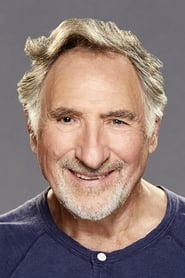
Judd Hirsch
Uncle Boris

Sophia Kopera
Lisa Fabelman

Jeannie Berlin
Hadassah Fabelman

Robin Bartlett
Tina Schildkraut
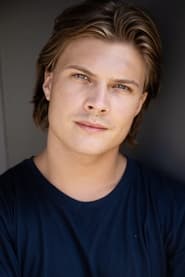
Sam Rechner
Logan Hall
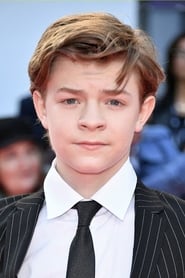
Oakes Fegley
Chad Thomas

Chloe East
Monica Sherwood

Isabelle Kusman
Claudia Denning

Chandler Lovelle
Renee
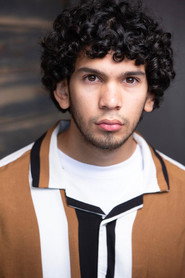
Gustavo Escobar
Sal
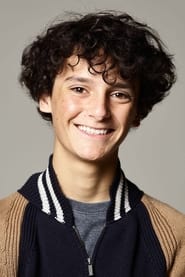
Nicolas Cantu
Hark
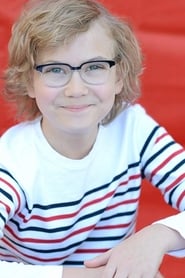
Cooper Dodson
Turkey
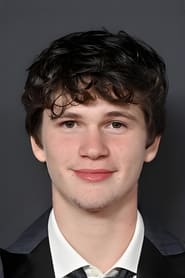
Gabriel Bateman
Roger

Stephen Matthew Smith
Angelo
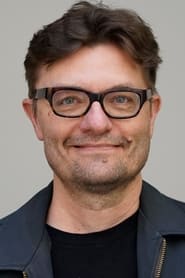
James Urbaniak
Grand View High School Principal
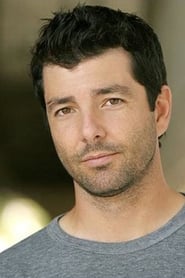
Alex Quijano
Grand View High School PE Coach
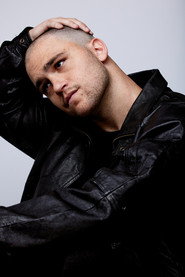
Kalama Epstein
Barry
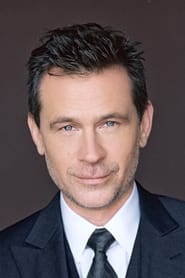
Connor Trinneer
Phil Newhart

Lane Factor
Dean
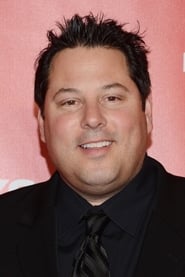
Greg Grunberg
Bernie Fein
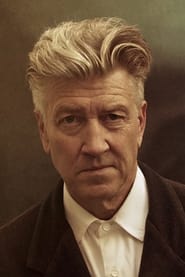
David Lynch
John Ford
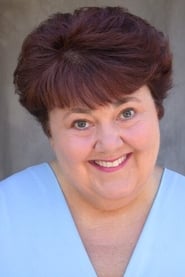
Jan Hoag
Nona
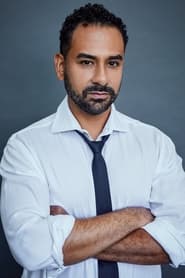
Carlos Javier Castillo
Camera Store Clerk

Ezra Buzzington
Camera Store Clerk #2

Paul Chepikian
Pinnacle Peak Owner

Brinly Marum
Janet Benedict

Larkin Campbell
Scout Father
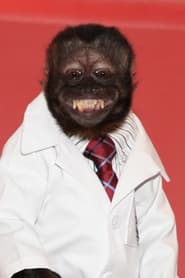
Crystal the Monkey
Bennie the Monkey
Art Bonilla
Taxi Driver (uncredited)

Meredith VanCuyk
Student (uncredited)

Vera Myers
Senior Classmate (uncredited)
Cody Mitchell Key
Boy Scout (uncredited)

Julyah Rose
Theater Goer (uncredited)
Ari Davis
Theatre Patron (uncredited)
Jared Becker
Lead Guitarist (uncredited)
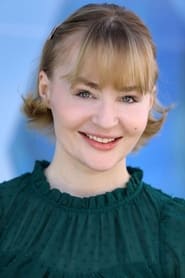
Kendal Evans
Balloon Girl (uncredited)

Trang Vo
High School Friend (uncredited)

Alejandro Fuenzalida
Boy Scout (uncredited)

Samantha Rose Gomez
Boy Scout Sibling (uncredited)

Taylor Stone
Senior Classmate (uncredited)

Paige Locke
Cheerleader (uncredited)

Malachi Mickelonis
Student (uncredited)
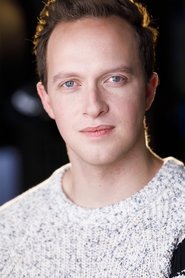
Max David Weinberg
Student (uncredited)

Cameron Hennings
Student (uncredited)

Nicole Alicia Xavier
Sammy’s Classmate (uncredited)

Seth Fuentes
Student (uncredited)

Jake Kidwell
Volleyball Player (uncredited)
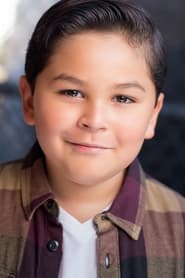
Julian Lerma
Boy Scout in Theater (uncredited)

Katelynn Wheelock
Assistant Art Director
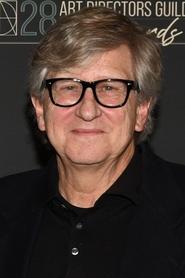
Rick Carter
Production Design

Janusz Kamiński
Director of Photography

Magdalena Górka
Second Unit Director of Photography
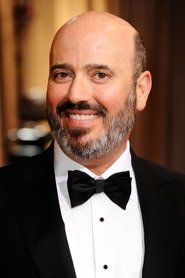
Mark Bridges
Costume Designer

Eryn Krueger-Mekash
Makeup Department Head

Corrinne James
Administrative Assistant
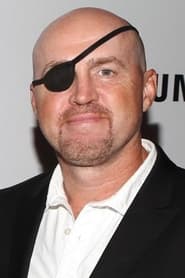
Garrett Warren
Stunt Coordinator

Kurt D. Lott
Stunt Coordinator

Shauna Duggins
Stunt Coordinator

Elizabeth Swaney
Stunt Double
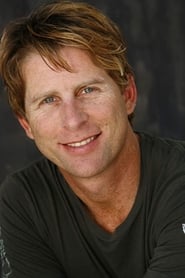
Keith Campbell
Stunt Double
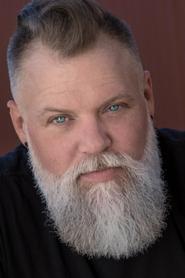
Mike DeMille
Stunt Double

Omar Zaki
Stunt Double

Chris Palermo
Stunt Driver
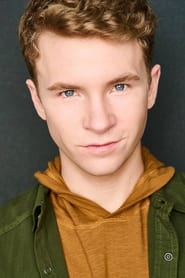
Justin Ellings
Stunts
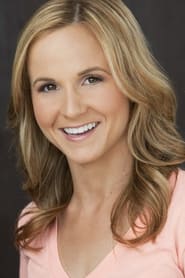
Kara Petersen
Stunts

Whitney Ortega
Stunts

Steven Spielberg
Director
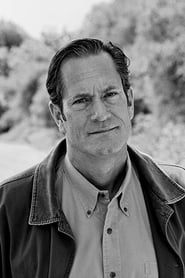
Josh McLaglen
First Assistant Director
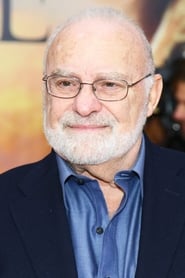
Michael Kahn
Editor

Sarah Broshar
Editor

Travis Brady
Rigging Grip
Josh McLaglen
Executive Producer

Brittany Petros
Location Manager
Kristie Macosko Krieger
Producer
Steven Spielberg
Producer
Tony Kushner
Producer
Cooper Hoffman
Production Assistant
Steve Slanec
Dialogue Editor

John Williams
Original Music Composer
Gary Rydstrom
Sound Designer

Andy Nelson
Sound Re-Recording Mixer
Gary Rydstrom
Sound Re-Recording Mixer

Brian Chumney
Supervising Sound Editor
Gary Rydstrom
Supervising Sound Editor

Pablo Helman
Visual Effects Supervisor
Steven Spielberg
Writer
Tony Kushner
Writer
Raro
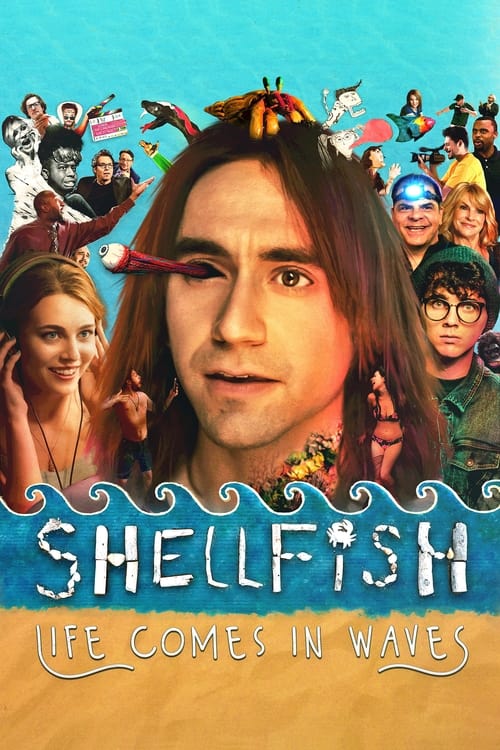
Shellfish
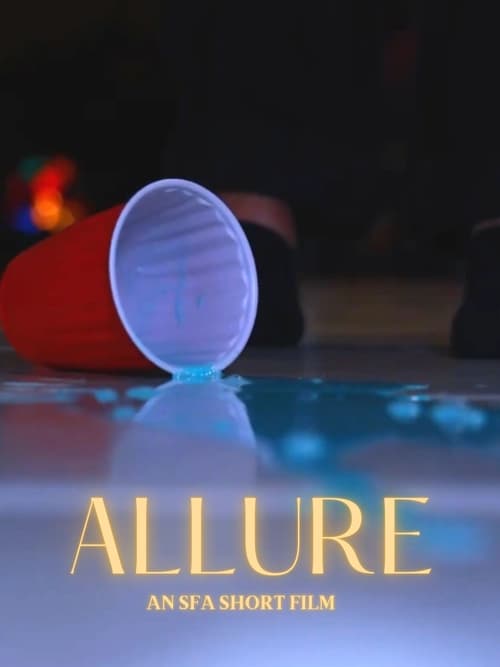
Allure
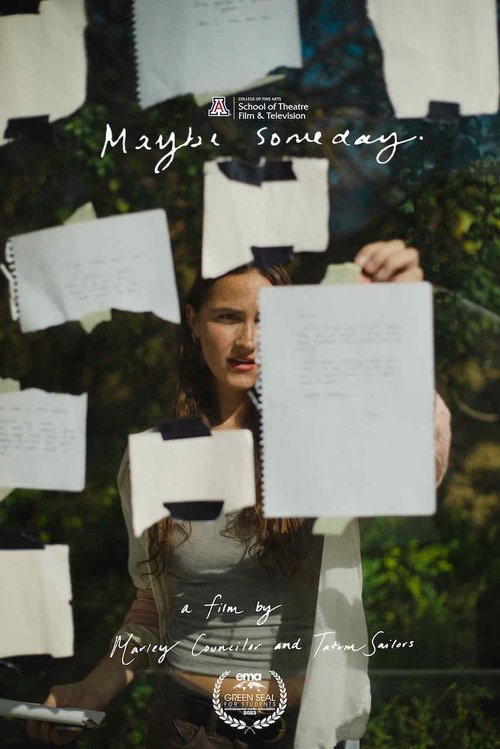
Maybe Someday
Échappé

Gala
Moth!
Hold On Little Girl
Seeing Someone Else
How to Blend In
The Foreign Shoes

Chinese Angel
Him & I
Forrest Gump
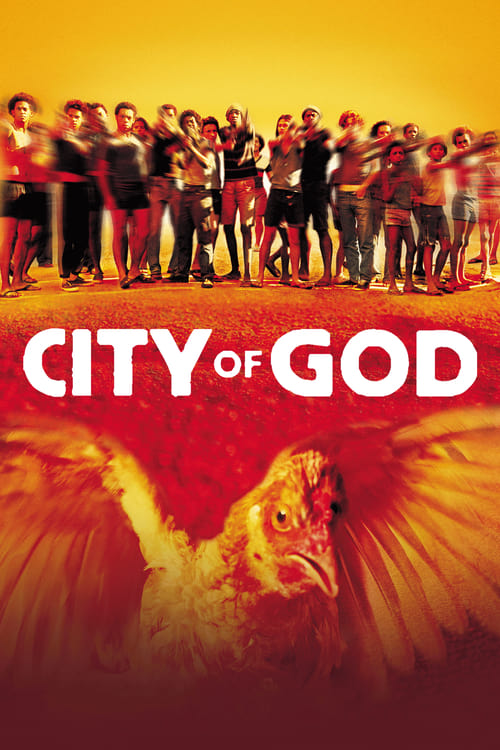
City of God
Fake Me A Happy New Year
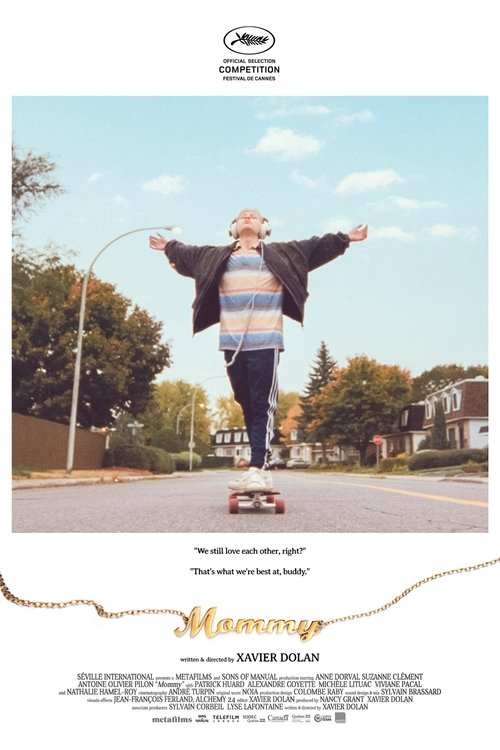
Mommy
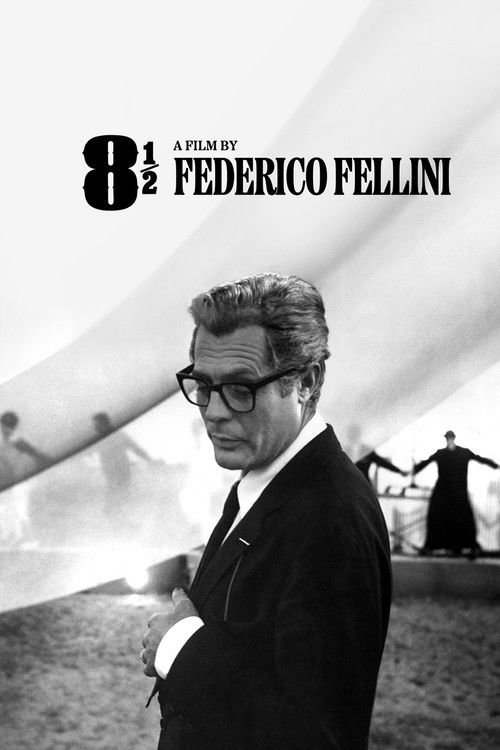
8½
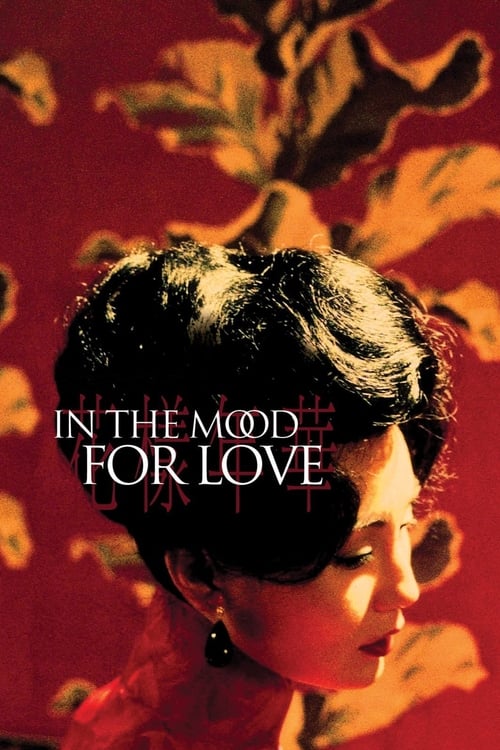
In the Mood for Love
Prayers for Bobby

Pride & Prejudice
Amadeus

American Beauty
The 400 Blows
I Wish I Were a Pigeon
The Other Fellow's Feelings
J'ador
The Third Solar Term
Patty Is Such a Girly Name
To Kill a Mockingbird

Catch Me If You Can
Three Colors: Red

Werckmeister Harmonies
Persepolis
Rosemary's Baby
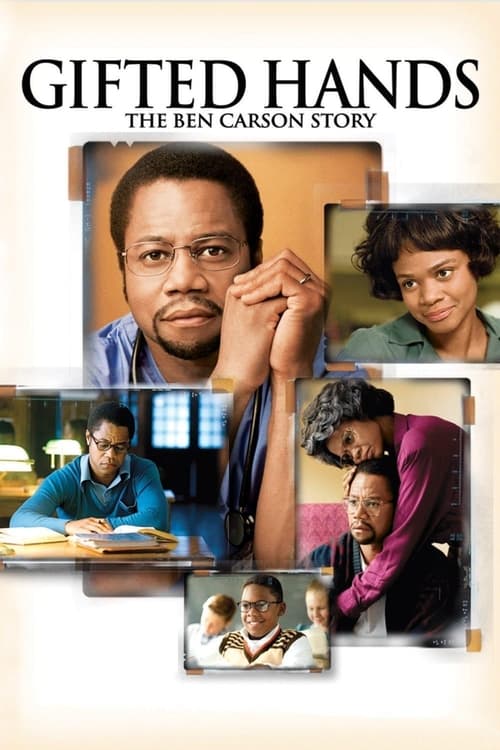
Gifted Hands: The Ben Carson Story
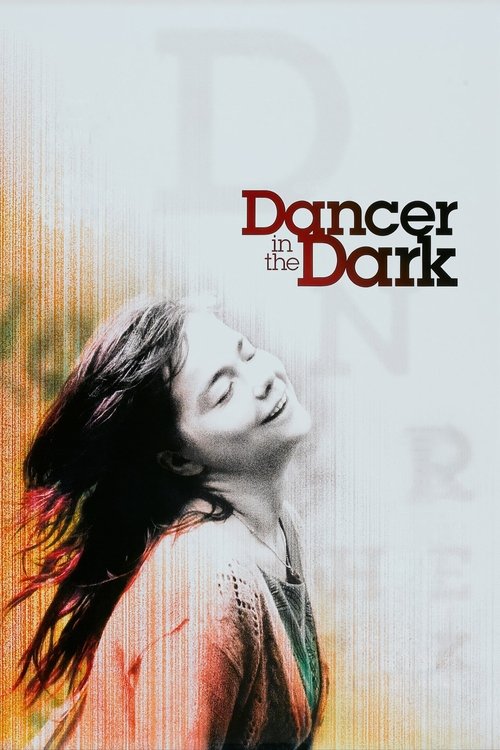
Dancer in the Dark
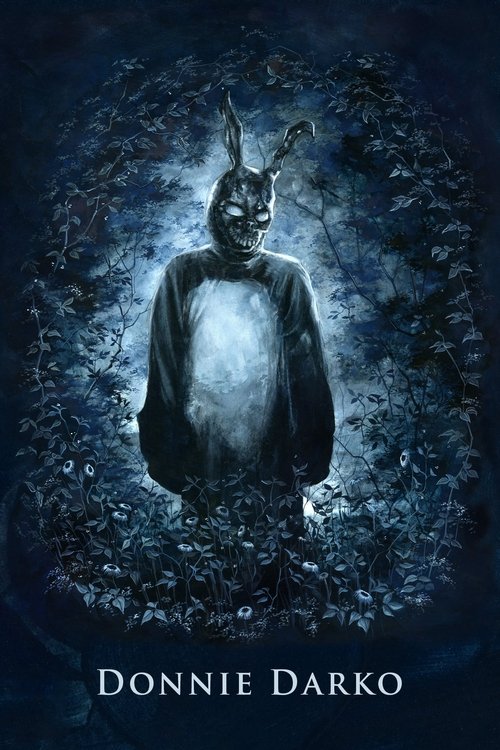
Donnie Darko
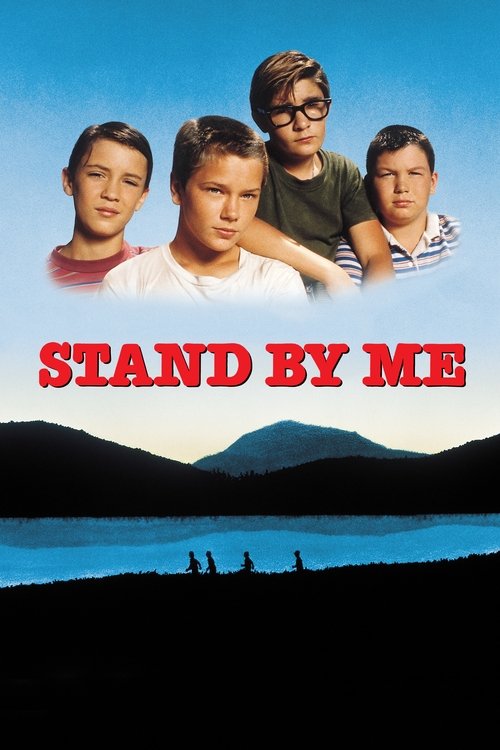
Stand by Me
Aparajito
3-Iron
Ali: Fear Eats the Soul
The Straight Story
Batman Begins
Mysterious Skin
Little Miss Sunshine
The Blind Side
Boyz n the Hood
The Banker

Shower Boys

The Last Samurai
Butch Cassidy and the Sundance Kid
Billy Elliot
Cat on a Hot Tin Roof
A Streetcar Named Desire
Mildred Pierce
Drifting Clouds
Harold and Maude

Blood Diamond
Girl, Interrupted
First Blood

Bowling for Columbine
Good Bye, Lenin!
My Darling Clementine
When the Wind Blows

Winter Sleep
Azhiyatha Kolangal
Bloodlock

Apollo 13
As Good as It Gets
Cairn
Rushmore
Meet Joe Black
Bridge to Terabithia
Belle de Jour
Sissi
The Promised Land

Rocky II
Roma
Pelle the Conqueror
The Return
Mera Naam Joker
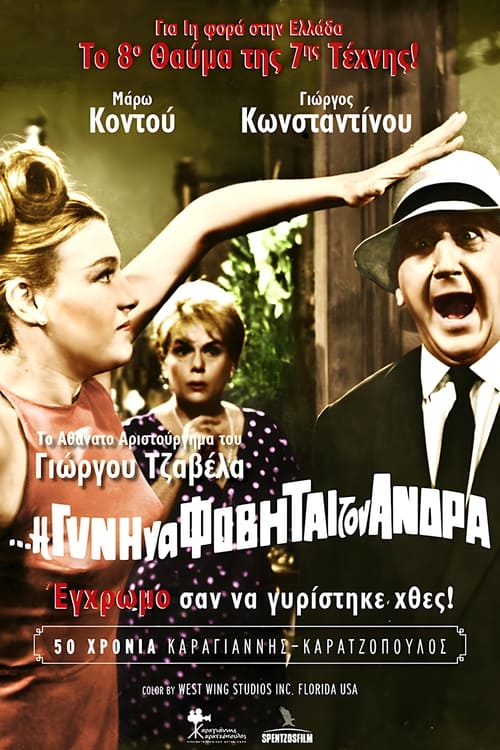
And the Woman Shall Fear Her Husband
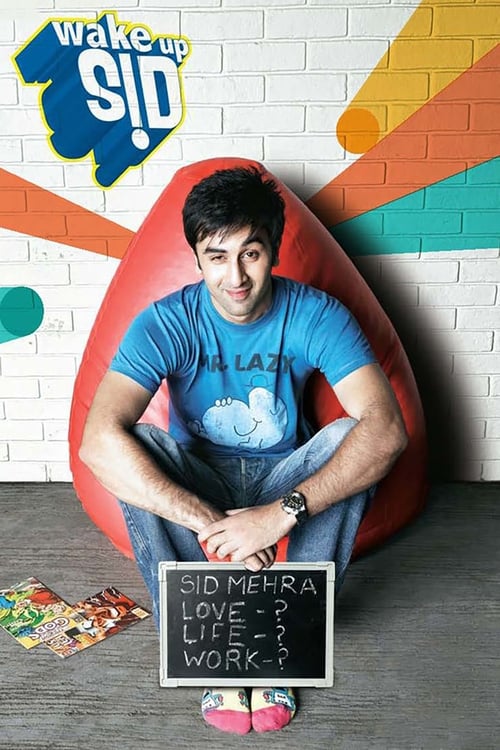
Wake Up Sid
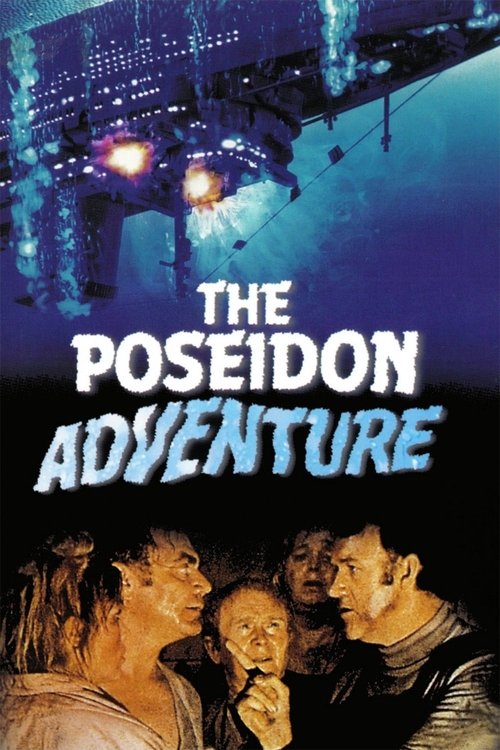
The Poseidon Adventure
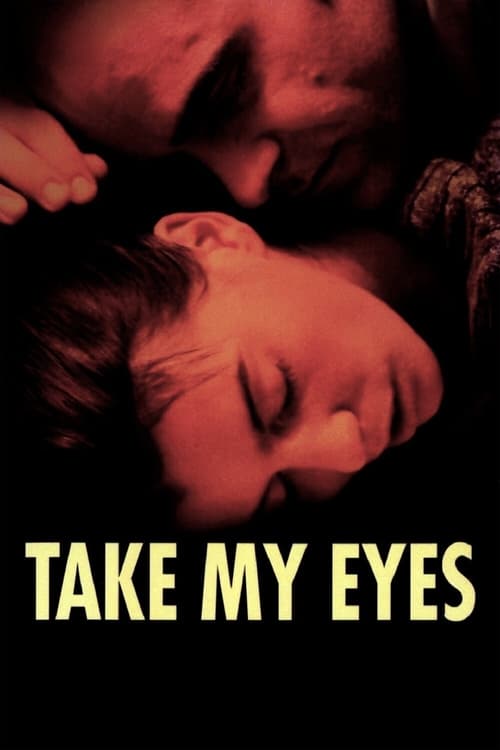
Take My Eyes
Breakfast on Pluto
Seance on a Wet Afternoon
A Star Is Born
Fear Strikes Out
Twin Peaks: The Missing Pieces
Steel Magnolias
A History of Violence
The Outsiders
Riceboy Sleeps

Finding Forrester
8 Mile

Sissi: The Young Empress

Sissi: The Fateful Years of an Empress

Little Children

The Virgin Suicides

A Star Is Born
The Things of Life
Pump Up the Volume
Cross of Iron
Léolo
Welcome to the Dollhouse
Life as a House
Dating Amber
The Life Aquatic with Steve Zissou
American Graffiti
My Own Private Idaho
White Oleander
A River Runs Through It
Caché
Transamerica
Meet Me in St. Louis
Say Anything...
Mr. Holland's Opus
The Scarlet Pimpernel

Northern Lights

Olappeeppi
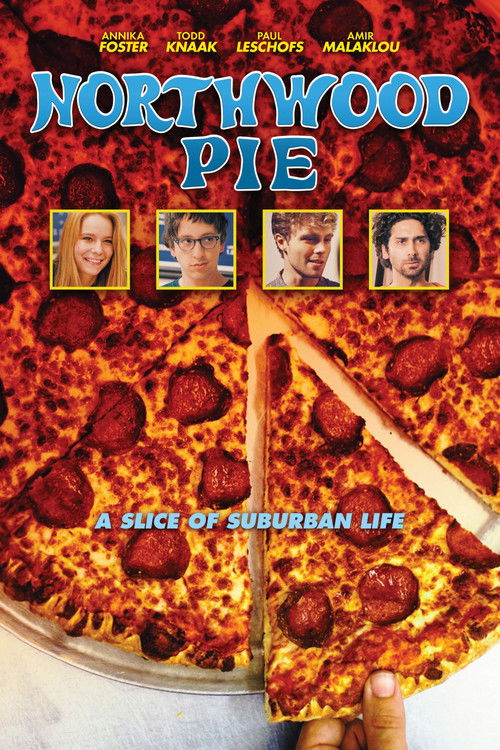
Northwood Pie

Family of Two (A Mother and Son Story)
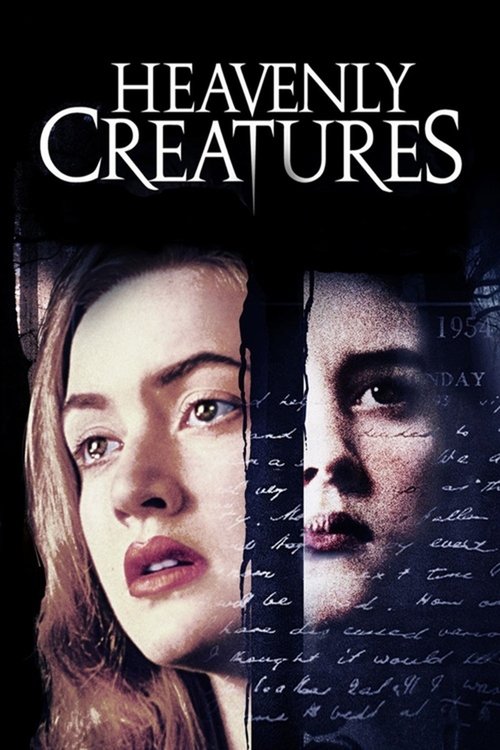
Heavenly Creatures
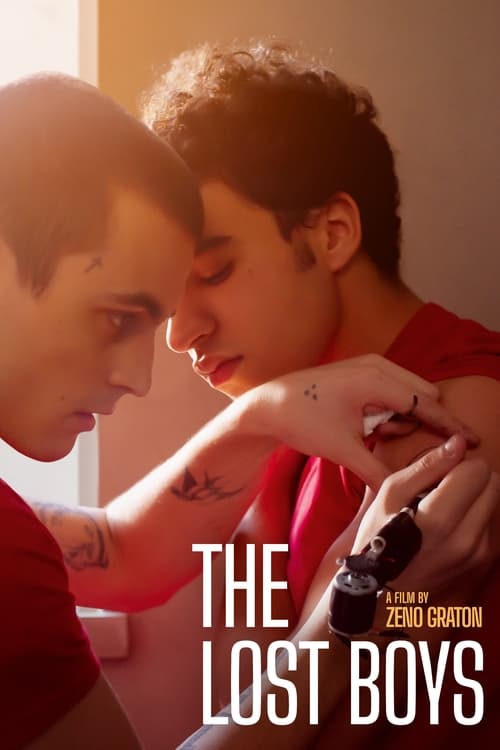
The Lost Boys
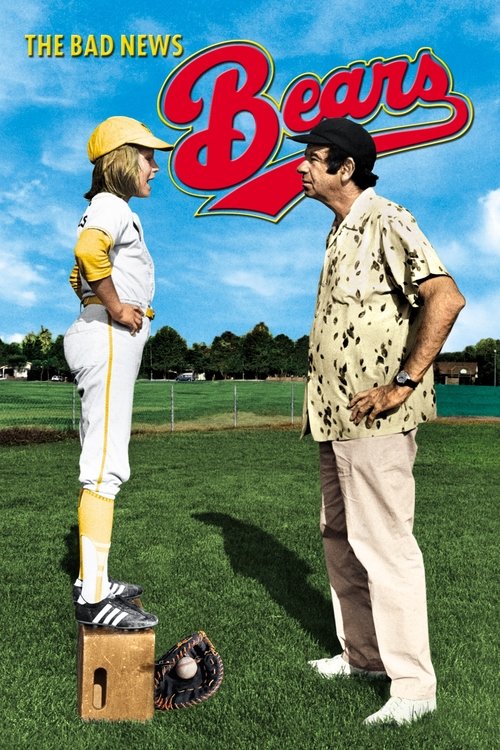
The Bad News Bears

The Wanderers
Shower
The Bow

Gods and Monsters
Rocky Balboa
The Unfaithful Wife

Nixon
Monsoon Wedding
Human Traffic
Force Majeure
Never Back Down
Jason's Lyric
Ali
Foxtrot
Mermaids
Poetic Justice
The Spiderwick Chronicles
Thirteen
Flirting
Druid Peak

La Garde

Freak Show
Meus 15 Anos: O Filme
She Paradise
Charlie Bartlett
The Song of Names
Private Number
Enough
Reinventing Marvin
Grill Point
2:37
River's Edge
Military Wives
Nimic
Ìjọ̀gbọ̀n
Get Out Your Handkerchiefs

A Perfect Murder
Cantinflas
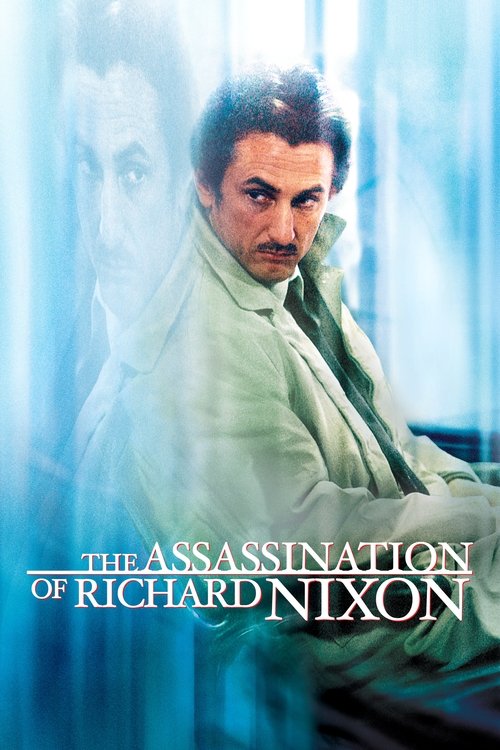
The Assassination of Richard Nixon
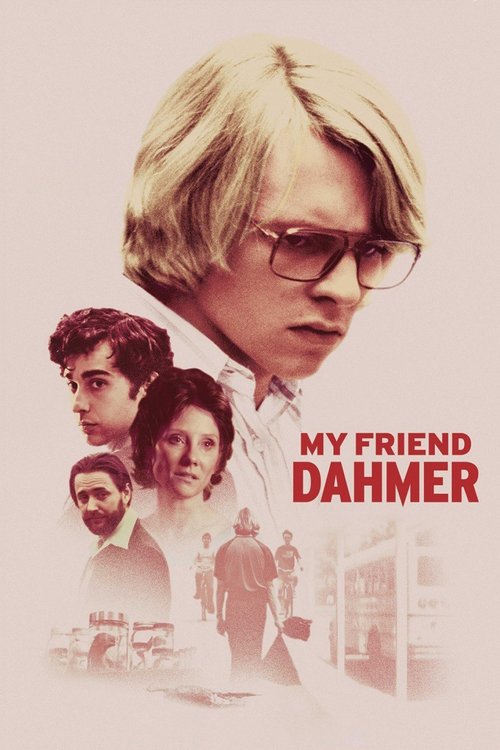
My Friend Dahmer
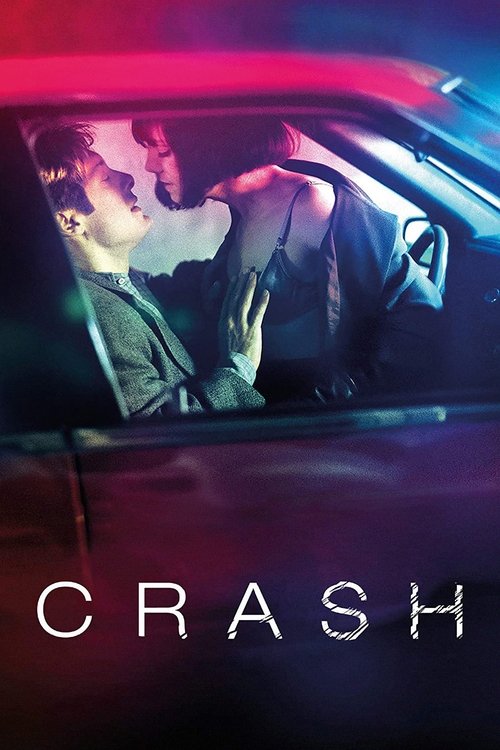
Crash
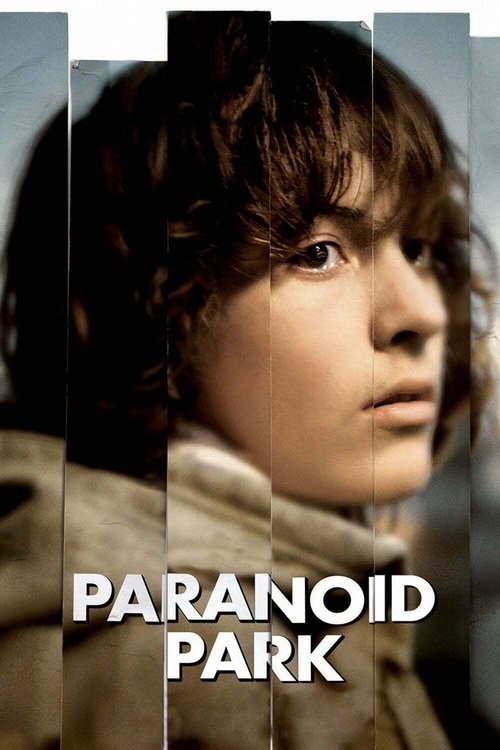
Paranoid Park
A Guide to Recognizing Your Saints
White Gold

Before We Vanish

L'Animale

Hard Truths
Joe Bell
Our Ladies
Cry Me a Sad River
Next Goal Wins
Shall We Dance?
Mary Shelley's Frankenstein
Bluebeard
Class of 1984
Six Degrees of Separation

Dad
How to Blow Up a Pipeline
Sommersby
The Good Shepherd
1-2-3 Corona
Willenbrock
Midnight in the Garden of Good and Evil
Mystic Pizza
Camila Jam
The Spanish Gardener
Chasing Ghosts
Death Watch
State and Main
Popular Music
Deep Impact

Jamon Jamon
Painless
Longing
Yella
The Cat in the Bag
Raising Helen
Top Five
The Movie Emperor

Queen & Country
Concrete Cowboy
Vallatha Pahayan
They Have Escaped

Blue-Eyed Blonde

Xiao Xian
Tokyo Serendipity

A Noisy Day
On the Roof
Acqua Movie

Summer Things
Tender Cousins

The Orange Girl
Butterfly Cloud
The Hollow Point
The Battle of Shaker Heights
Reach for Glory
The Beach Bum
The Astronaut's Wife

The Slaughter Rule
If Not Us, Who?

Off the Record
I Wish You All the Best
Wet Monday
Sidekicks
My Life as a Comedian
The Tulse Luper Suitcases, Part 1: The Moab Story
I Demand Payment
The Gentiles

Sixth Happiness
Your Caresses
Through a Boy's Eyes
A Long Way Home
A Quiet Death
Intimate Parts
My Lover, My Son
And Then Came Summer

Juan Gabriel is Dead
Beautiful Alexander
Guardian
Caralique
Freak
Expensive Father
Undercover Vampire Policeman
The Paperman
Khargosh
Invisible Faith
The Summer of 12

The Lesson
Falena
La mort petita
Panic by Sish Dinar
Kill 'Em All
Green Light
Vera
Bobby Beauty Parlour

The Male Gaze: A Better Tomorrow
Finger Guns
Thanks to the Hard Work of the Elephants
OTEP The Dreamer

17 :)
One
Entre Nós

wunsch zwei(2)

Restoration
A Picture Maker
Royal

The colors of Iris
Innan Jag Växer Upp
We Believe
Gestern war noch Sommer
Some Enchanted Evening
spilled milk
Casey Makes A Mixtape
Fireworks
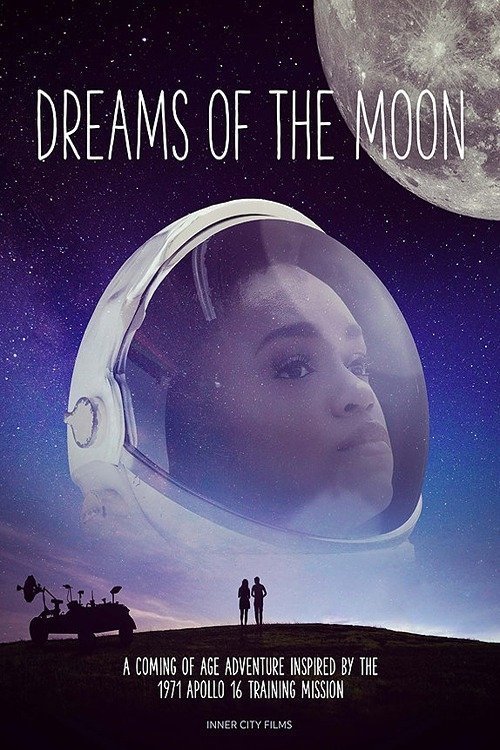
Dreams of the Moon
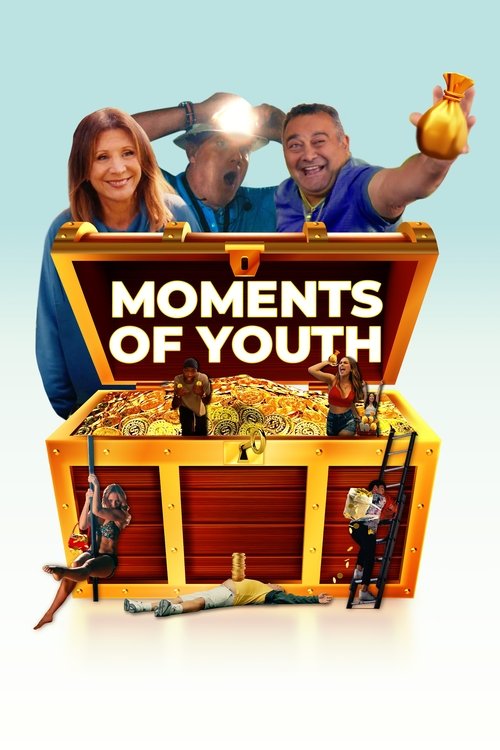
Moments of Youth
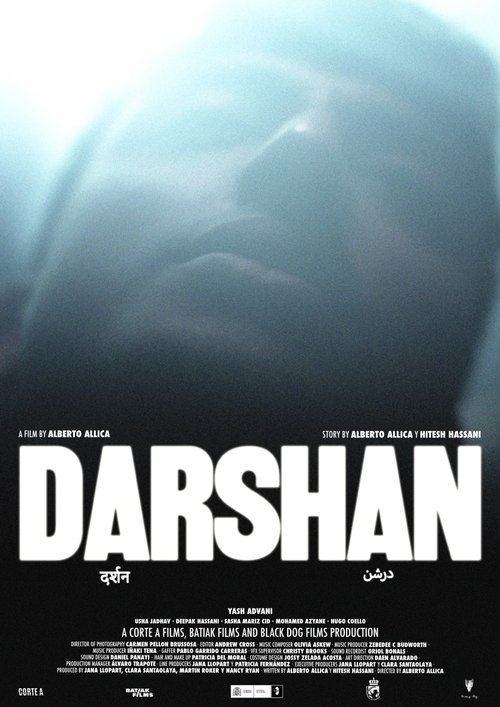
Darshan
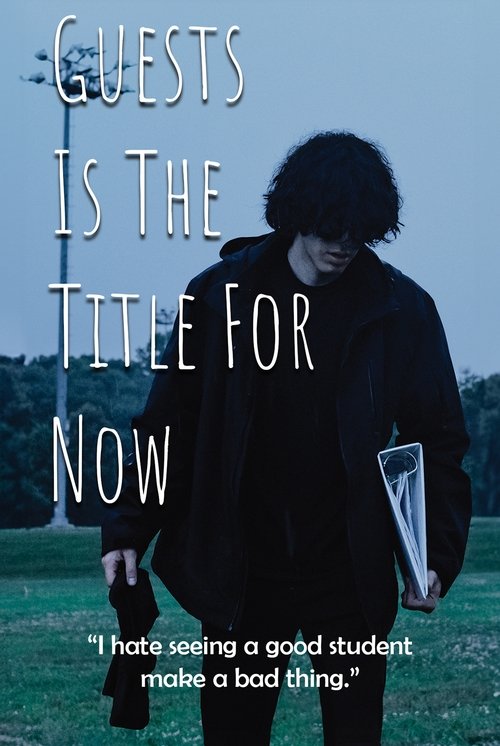
Guests Is The Title For Now

GAMAN
Storytellers
Some Precious Memories
Manca Poco
Greatest Night of Summer
Moments in time
Cigarettes
Forever Running Away
Nowhere Boy
When Light Finds You
To Kill a Mockingbird
The Unbreakable Boy

Short Term 12
A Streetcar Named Desire
I Can Only Imagine
Rebel Without a Cause
Boyhood
Mr. Church
Double Mommy
Othello
The Judge
Bigger Than Life
Trumbo
Finding Forrester
A Taste of Honey

Boy A
The Glass Castle
Giant Little Ones
The Color Purple
A Home of Our Own

As You Are

Fences
The Great Santini
The Rookie
An Unfinished Life
Bombshell
The Son

I Never Sang for My Father
The Gift
Bravetown
Unconditional
The Children Act
Military Wives

Good One
Dad
The Plague
Dear Evan Hansen
Paradise

Albatross
Nov 6, 2022
AFI Fest
Nov 11, 2022
Los Angeles & New York City
Nov 23, 2022
Dec 13, 2022
Feb 14, 2023
DVD & Blu-Ray
May 11, 2023
Showtime
May 12, 2023
Showtime
Dec 11, 2024
Starz
Dec 11, 2025
Peacock
© 2025-2026 MovieNight. All rights reserved.
Versus
Sign in to play →
Bicara Cinta
2020
The Pied Pipers of Harlow
1965
Sign in to vote
Battle your watched movies head-to-head
Community Top Movies

Evil Dead II
1987 · 14 wins
The Dark Knight
2008 · 14 wins

Halloween
1978 · 13 wins
Final Destination
2000 · 12 wins

Halloween II
1981 · 11 wins
Trivia
Leaderboard →Playing as a guest — sign in to save your score and rank on the leaderboard.
Movie Trivia
Guess the movie from a clue — tagline, plot, cast and more. Pick from four posters.
What movie experience do you prefer?
What is your favorite movie genre?
Versus
Sign in to play →
Bicara Cinta
2020
The Pied Pipers of Harlow
1965
Sign in to vote
Battle your watched movies head-to-head
Community Top Movies
Evil Dead II
1987 · 14 wins
The Dark Knight
2008 · 14 wins
Halloween
1978 · 13 wins
Final Destination
2000 · 12 wins
Halloween II
1981 · 11 wins
Trivia
Leaderboard →Playing as a guest — sign in to save your score and rank on the leaderboard.
Movie Trivia
Guess the movie from a clue — tagline, plot, cast and more. Pick from four posters.
What movie experience do you prefer?
What is your favorite movie genre?
We use essential cookies to run MovieNight, plus analytics (Google Analytics) and advertising (Google AdSense) cookies. By continuing to browse, you agree to this — or click No and we won't. See our Terms & Privacy Policy to learn more.