
Get the MovieNight app
Add it to your home screen — faster & full screen
Get the MovieNight app
Add it to your home screen — faster & full screen
 Braven Films
 Element Pictures
 Film4 Productions
 FilmNation Entertainment
Not part of a collection.
Love is an act of defiance
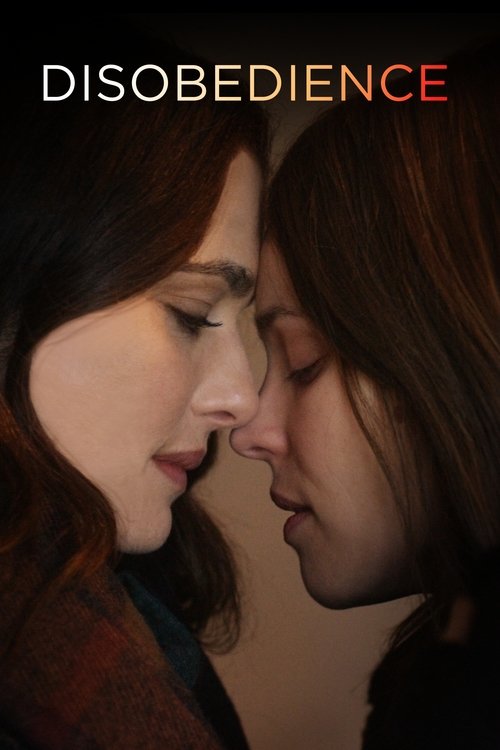
New York photographer Ronit flies to London after learning about the death of her estranged father. Ronit is returning to the same Orthodox Jewish community that shunned her decades earlier for her childhood attraction to Esti, a female friend. Their fortuitous and happy reunion soon reignites their burning passion as the two women explore the boundaries of faith and sexuality.

Stephen Campbell
Jul 2, 2019 · via TMDB
**_A well-told love story, set against a background of religious orthodoxy_** > _An important point to make from the outset is that Jewish law does_ not _teach that it is forbidden to be a homosexual. On the contrary, Jewish law is concerned not with the source of a person's erotic urges nor with inner feelings, but with acts. The Torah forbids the homosexual_ act_, known as_ mishkav zakhar_, but has nothing to say about homosexuality as a state of being or a personal inclination._ > _In other words, traditionally, a person with a homosexual inclination can be an entirely observant Jew a__s long as he or she does not act out that inclination._ > [...] > _Lesbianism is never mentioned in the Torah. One talmudic passage refers to homosexual acts between women: "R. Huna taught, Women who have sex one with the other are forbidden to marry a Kohen." The_ Halakhah _rejects Rav Huna's opinion and allows a lesbian to marry a Kohen. However, Maimonides ruled that lesbianism is still prohibited and should be punished by flagellation. The prohibition is not as stringent as that against male homosexuality because the Torah does not explicitly prohibit lesbianism, and because lesbianism does not involve the spilling of seed._ - Rabbi Michael Gold; _Does God Belong in the Bedroom?_ (1991) Depicting the problems that can arise when deeply held spiritual beliefs clash with notions of personal freedom, _Disobedience_ is the story of a forbidden love given a second chance. Based on Naomi Alderman's 2006 novel, written for the screen by Rebecca Lenkiewicz (_Ida_) and Sebastián Lelio, and directed by Lelio, the film covers some of the same thematic territory as Lelio's previous features; _Gloria_ (2013) deals with a 58-year-old divorcée trying to re-enter the dating scene by frequenting singles-bars, and the Oscar-winning _Una mujer fantástica_ (2017) looks at a transgender waitress trying to come to terms with the death of her boyfriend, whilst also navigating a prejudiced society. In _Disobedience_, Lelio turns his attention towards a lesbian relationship within London's relatively insular Modern Orthodox Jewish community. What all three films have in common is the centrality of a complex and strong woman facing up to (almost exclusively patriarchal) societal hostility. Kind of like a cross between Todd Haynes's _Carol_ (2015) and Daniel Kokotajlo's _Apostasy_ (2017), _Disobedience_ eschews melodrama, and is uninterested in presenting a binary story where faith is the Big Bad. Although it is certainly critical of the strictures that can result from a rigid application of _Halacha_ [Jewish religious laws] and/or a literal interpretation of the _Taryag Mitzvot_ [613 Commandments], the community itself is depicted respectfully, with the most representative Jewish character arguably the most sympathetic figure in the film. _Disobedience_ does feature a very graphic lesbian sex scene, but it's one of the most thematically justified, least exploitative sex scenes I can remember, crystallising many of Lelio's thematic concerns. Although things can be far too on the nose from time to time, Lelio's subtle and non-intrusive direction more than compensates for that, and overall, this is a fine film, both thought-provoking and moving. The story opens in a synagogue in London as Krushka (the great Anton Lesser), the local Rav, (similar to a rabbi, except an _Halachic_ expert) delivers a sermon explaining that angels and demons are locked into their destinies, with only humanity "_free to choose_". This freedom, however, is both a privilege and a great burden, as it affords humanity the opportunity to disobey the edicts of _HaShem_ [lit. "The Name"; used to refer to God when discussing Him outside scripture]. However, before completing his sermon, Krushka keels over and dies. Meanwhile, in New York, Ronit (Rachel Weisz), his estranged and non-practising daughter gets word of his death. After getting drunk and having anonymous sex with a man in a toilet, Ronit heads back to England. At the home of her childhood friend, Dovid Kuperman (an extraordinary Alessandro Nivola), Krushka's understudy, Ronit quickly learns the community is not especially pleased to see her, as the shadow under which she left has not dissipated. Despite this, and although he wasn't expecting her, Dovid is happy to let Ronit stay with him and his wife, who, Ronit is stunned to learn, is her former best friend, Esti (Rachel McAdams). The film then plays out over the next few days, as the community prepares for Krushka's _levaya_ [funeral], as it becomes apparent that Ronit and Esti were once more than friends, which may, or may not, have had something to do with Ronit's departure and her estrangement from her father. However, the more time they spend in one another's company, the more their once-held passion for one another bubbles to the surface. Thematically, _Disobedience_ is far more concerned with the clash of views that results from Ronit's return than it is with condemning the beliefs of the community _per se_. When she first arrives at Dovid's house, she instinctively reaches out to hug him, forgetting about _negiah_ [the forbidding of physical contact between men and women not related by blood, or married], and he immediately, although not unkindly, recoils. This tells us both how long she has been away, and how thoroughly she has rejected the doctrines of the faith. Later, there is an exceptionally awkward (but very funny) _Shabbat_ [Jewish day of rest] meal, where Ronit seems to take great delight in being as outrageous as possible, riling up the assembled guests with her progressive worldview. In a discussion about the role of women in society, for example, she points out that every time a woman gets married and takes her husband's surname, a part of that woman's history is erased. This kind of ideological conflict, however, is also found _within_ the characters themselves. Esti, for example, is torn between her desire for Ronit on the one hand, and her commitment to Dovid and her belief in their faith on the other. For her part, Ronit too internalises discord; although she has been estranged from him for many years, she is genuinely hurt to learn just how completely Krushka had divorced himself of her memory, seen most clearly when his obituary refers to him as "_sadly childless_". Tellingly, during the _Shabbat_ dinner, Dovid tries to play peacekeeper, whilst a couple of cutaways to Esti show her smiling to herself as Ronit burrows under the skin of those present. This kind of delicate touch on Lelio's part can be seen throughout the film, with numerous wordless gestures allowing the actors to convey backstory in lieu of exposition. For example, after Ronit arrives, although Dovid recoils when she tries to hug him, and although when she tries to light up a cigarette in his kitchen, he asks her to smoke in the garden, he accompanies her outside, shielding the flame from the wind in a gesture both kind and intimate. Another excellent example is found later that night as Dovid and Esti prepare for bed, and Esti gently and playfully strokes his beard, suggesting her genuine affection for him. On paper, the story might lend itself to a condemnation of the kind of social suffocation and emotional repression that can result from fundamentalism. Instead, however, the film spends time building a respectful, if not idealised, picture of the community's beliefs and practices. Although no-one is especially happy that Ronit is back, they are never openly hostile, the way Hasidic Jews, for example, might be. A key part of this respect is Dovid himself, played by Nivola (in an Oscar-worthy career-best performance) as an inherently decent and honourable man; when Ronit returns, he is the only one to extend her a genuine welcome. In a less nuanced film, Dovid would be a fire-and-brimstone obstacle to Ronit and Esti's happiness, a Roger Chillingworth-type personification of traditionalism and rigidity. Instead he is presented as someone who, like Esti, faces a difficult choice – that between his communal position and his faith on the one hand, and his genuine love of Esti and affection for Ronit on the other, his lifelong devotion to the _Tanakh_ [Hebrew Bible] conflicting with the modern day progressive sensibilities that come from living in a metropolis. Indeed, perhaps Dovid's most salient characteristic is conflict – when he tries to lay down the law to Esti regarding her conduct, his heart never seems in it; when he expresses disgust at her tryst with Ronit, he almost seems embarrassed to be reacting the way he is. This conflict is manifested aesthetically in a scene where Dovid is addressing the synagogue. Lelio films the scene in such a tight close-up, that every time Nivola moves even slightly off his mark, he goes out of focus. It's a brilliant example of content generating form, and is typical of Lelio's directorial lightness of touch. However, for all that, the film never lets you forget that this is a community of _negiah_, where married women must wear a _sheitel_ [wig] in public, and where the genders are strictly divided at religious services. As Ronit and Esti discuss their sexuality, Esti points out that she and Dovid have sex every Friday night, "_as is expected_", and that the reason she was married to Dovid in the first place was that Krushka hoped "_marriage would cure_" her, a concept not a million miles away from homosexual conversion therapy. In this sense, although respectful of the community, even depicting some of the communal benefits of such a tight-knit group, the film does challenge some of the tenets of their belief system, particularly its rigid traditionalism and myopic sexism, both of which feel increasingly out of place in the early 21st-century. In this, _Disobedience_ fits very much into Lelio's _oeuvre_, with all three of his films dealing with repressive _milieus_ placing restrictions on women. Obviously, a major theme throughout is sexuality. Much has been made of the sex scene between Ronit and Esti, with some critics accusing it of being little more than titillation at best, a graphic example of the male gaze at worst. However, this reading is to completely miss the point of the scene in relation to the narrative as a whole. There are actually two sex scenes in the film; one between Ronit and Esti, and the other between Esti and Dovid. And although they couldn't be more different, they also couldn't exist without one another, as the abandonment, lust, and sense of pressure being released when Esti is with Ronit contrasts sharply with the detached, formulaic, and passionless scene with Dovid; the two scenes explicitly comment on one another, each hinting at the meaning to be found in its counterpart. In this, they recall the four sex scenes in David Cronenberg's _A History of Violence_ (2005) and Abdellatif Kechiche's _La Vie d'Adèle – Chapitres 1 & 2_ (2013), two sets of two scenes which, again, comment upon and contextualise one another. The scene between Ronit and Esti is the physical manifestation of the characters' long-repressed desire for one another, a release of the yearning that has been building up for years. It's a wholly justified narrative moment, and a completely necessary beat for the two characters. It's not an aside or a piece of voyeuristic male fantasy, it's the centre of the whole film. Together, the two scenes represent Esti's binary choice – an unbridled and sexually fulfilling, but unstable relationship with Ronit, or a dutiful and dull, but respectful and secure relationship with Dovid. If I had one major criticism, it would be that although Lelio's direction is extremely subtle, some of his and Lenkiewicz's writing choices are spectacularly on the nose. The opening sermon is a good example – a religious diatribe whose subject is mankind's freedom to choose, the concomitant ability to disobey, and the notion that freedom is impossible without sacrifice, in a film about these very same issues. Another example is that Dovid and his _yeshiva_ students are discussing the one book of the _Tanakh_ dealing with sexuality rather than spirituality, the _Song of Songs_, whilst Esti's secondary school students are studying adultery in _Othello_. The worst example of this, however, is found when Ronit and Esti go to Krushka's house and Ronit turns on the radio, which just so happens to be playing The Cure's "Lovesong", a song which perfectly encapsulates their situation ("_Whenever I'm alone with you/You make me feel like I am home again_"). It's not exactly subtle. I'm also not a massive fan of Matthew Herbert's score, with its jaunty use of woodwinds cutting against the ominous tone of the narrative. These two issues aside though, this is an excellently crafted film. Once again examining female desire, issues of patriarchal oppression, and profound self-doubt, Lelio delivers a mature and considered meditation on the conflict between faith and sexuality. Eschewing the kinds of black and white criticism of secular isolationism as seen in films such as Sidney Lumet's _A Stranger Among Us_ (1992) or Boaz Yakin's _A Price Above Rubies_ (1998), Lelio respects the _milieu_ too much to cast it as the villain. Instead, there is an elegance to the way in which he depicts it. Equal parts sensual and spiritual, the lethargic pace and absence of any narrative fireworks will probably alienate some, especially those expecting a pseudo-porn movie, but for the rest of us, this is thoughtful and provocative cinema in the best sense of the term.

Gimly
Oct 4, 2018 · via TMDB
**Except from a conversation about the movie:** "I think _Disobedience_ could get some Oscar attention. It's depressing Jewish lesbians, so chances are pretty high. It was actually a pretty decent movie. Really didn't overplay the onscreen sex, which was good, but I do wish there were queer movies which were more middle of the spectrum. Seems like 99% of the time you either get hokey deliberate trash """comedies"""" made on 47c budgets like _Yeti: A Love Story_, or super serious (and almost always super grim) art-y dramas like _Moonlight_ that are very well made but also make you very upset... Don't get me wrong, I'm very thankful for both of those types of movies, but where's like... _Die Hard_ where Bruce Willis is a shirtlifter?" **P.S. I'm buying this soundtrack.** **_**Final rating:★★★ - I liked it. Would personally recommend you give it a go.**_**
User reviews courtesy of TMDB.
 Amazon Video
 Apple TV Store
 Google Play Movies
 YouTube
 Fandango At Home
 YouTube TV
 Cinemax Amazon Channel
 Cinemax Apple TV channel
Amazon Video
Apple TV Store
Google Play Movies
YouTube
Fandango At Home
Cinemax Apple TV channel
Amazon Video
Apple TV Store
Google Play Movies
YouTube
Fandango At Home

Rachel Weisz
Ronit Krushka

Rachel McAdams
Esti Kuperman

Alessandro Nivola
Dovid Kuperman

Allan Corduner
Moshe Hartog
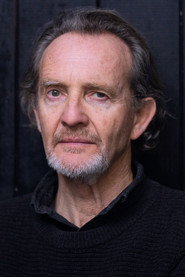
Anton Lesser
Rav Krushka

Nicholas Woodeson
Rabbi Goldfarb
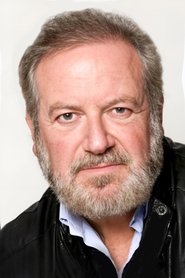
David Fleeshman
Yosef Kirschbaum

Steve Furst
Dr. Gideon Rigler
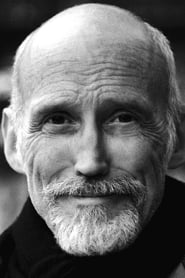
Trevor Allan Davies
Tattooed Man

Sophia Brown
Photographic Studio Assistant

Anthony Dowding
Man in Bar

Bernice Stegers
Fruma Hartog

Clara Francis
Hinda

Lia Cohen
Rina

Cara Horgan
Miss Scheinberg
Orlando Brooke
Student 1

Dominic Applewhite
Student 2
Omri Rose
Student 3

Liza Sadovy
Rebbetzin Goldfarb

Ruth Lass
Wig Shop Assistant

Alexis Zegerman
Rivka

Benjamin Tuttlebee
Shmuli

Mark Stobbart
Lev

Caroline Gruber
Mrs Hannah Shapiro

Eliot Alderman
Choir Member

Adrian Alexander
Choir Member

Joseph Thompson
Choir Member

Gabriel Gottlieb
Choir Member

Aaron Isaac
Choir Member

Adam Lazarus
Sam (Trainee Rabbi) (uncredited)

Dave Simon
Hesped (uncredited)
Rene Costa
Rabbi (uncredited)

Danny Cohen
Director of Photography

Odile Dicks-Mireaux
Costume Design

Malou Coindreau
Floor Runner
Derek Lea
Stunt Coordinator

Sebastián Lelio
Director

Nathan Nugent
Editor

Nina Gold
Casting Director

Geneviève Lemal
Co-Producer
Andrew Lowe
Executive Producer

Ben Browning
Executive Producer

Daniel Battsek
Executive Producer

Glen Basner
Executive Producer

Ed Guiney
Producer

Frida Torresblanco
Producer
Rachel Weisz
Producer
Matthew Herbert
Original Music Composer

Steven Phillips
Production Sound Mixer

Rebecca Lenkiewicz
Writer
Sebastián Lelio
Writer

Testosterone: Volume Three

Male Shorts: International V2

The Serpent's Song
The Flesh of Another
Letters from Eden

O Silêncio Que Você Faz
What Will I Become?

Two

法希和卡伦

#LookAtMe

Seven Samurai
Once Upon a Time in America

Before We Forget

Given
Odd Fish

Enter Achilles
Scarborough Ahoy!

Some Kind of Paradise
Close to Home

Patty Is Such a Girly Name
Love, Simon

Bohemian Rhapsody

Farewell My Concubine

Titanic

Soulmate
Brokeback Mountain

Mulholland Drive

Kokuho
Kabhi Khushi Kabhie Gham
Flow

Fried Green Tomatoes

All About My Mother
Billy Elliot
Midnight Cowboy
Wambo

Kuch Kuch Hota Hai

Carol

Cabaret

Hidden Away

Bad Education
Summer Rains

The Adventures of Priscilla, Queen of the Desert

From the Life of the Marionettes

Tiznao
Torch Song Trilogy

Martyrs

Bound
West Side Story
The Wedding Banquet

Beautiful Thing

The Yin-Yang Master: Dream of Eternity

Desert Hearts
Law of Desire

La Grande Bouffe

The Little Prince(ss)

This Is I

Show Me Love
The Birdcage

Transamerica

Dog Meet Goose

Two of Us
A prostitute has been murdered

On Air

Quarters
Heavenly Creatures

Kiss of the Spider Woman

Pocahontas

Mona Lisa Smile
Velvet Goldmine
Trick

Ammonite
Walk on Water
Bad Romance: The Vicky White Story

Unpregnant
Rent
Closer
Dead or Alive 2: Birds
Latter Days
Lost and Delirious
Against the Law

Reminiscence
To Live, To Die, To Live Again

Summer Storm
Fire

Romeo + Juliet
Hearts in Atlantis
The 10 Year Plan

Chasing Amy
Nowhere
Yossi & Jagger

Freak Show
Moffie

Lady Chatterley's Lover

Bones and Names
The Song of Names
The Third One

The History Boys

The People's Joker

Growing Fangs
Freud's Last Session

May

D.E.B.S.
Made of Honor

Water Lilies

Madea Goes to Jail
Sebastiane

Glamour Dolls
Photographs

Lola and the Sea
Jungle Fever

The Chinese Botanist's Daughters

And the Band Played On
I Love You Phillip Morris
A Dim Valley

Bend It Like Beckham

Pepi, Luci, Bom

Twilight

Ever
Marriage a la Mode
Head On

Getting Go: The Go Doc Project

Maybe... Maybe Not
101 Reykjavik

The Trip

Girl Night Stand
Rialto
My Father Marianne

Strange River

Christmas on Cherry Lane

Mala Noche
Ghosts

Cocoon
Les Biches
Prêtres interdits

Boys in Brazil
All About Sex
Mambo Italiano

Fairyland
Broadway Damage
Love & Human Remains
The Fluffer

One Summer Night

The Way Out

My Father, Die
Lulu and Jimi

Vassalord.

An Actor's Revenge
Dyketactics
A Love in Germany

WTC View
Forgive and Forget
Alexander: The Other Side of Dawn

Orpheus' Song
Never.

Cover Boy
Poster Boy

Millimeterle
Pure
Who Loves the Sun

To an Unknown God

Torrid Wave
Lovely Man

Anchor and Hope
Zero One
The Obituary of Tunde Johnson

In Orbit

Goodnight Cinderella
An Evening

I Wish You Had Told Me
In Love Again

Under the Sea
Pool Blue
Animals

Provo

The Mess He Made

Pre-Drink

Ranchlands
Dear Boys

Another Love Story

Kabitan

Shem

The Pleasure Principle

Fatima, Queen of the Night
Nightstand

Yosemite

eXXXorcisms

Bodyshop
The Male Gaze: Nocturnal Instincts
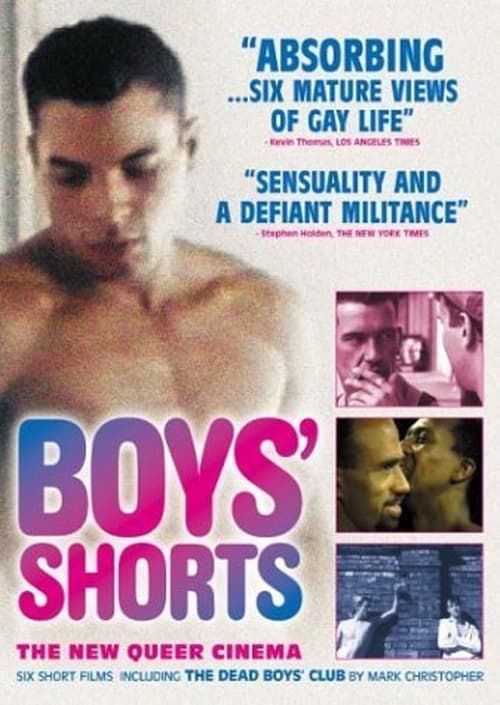
Boys' Shorts
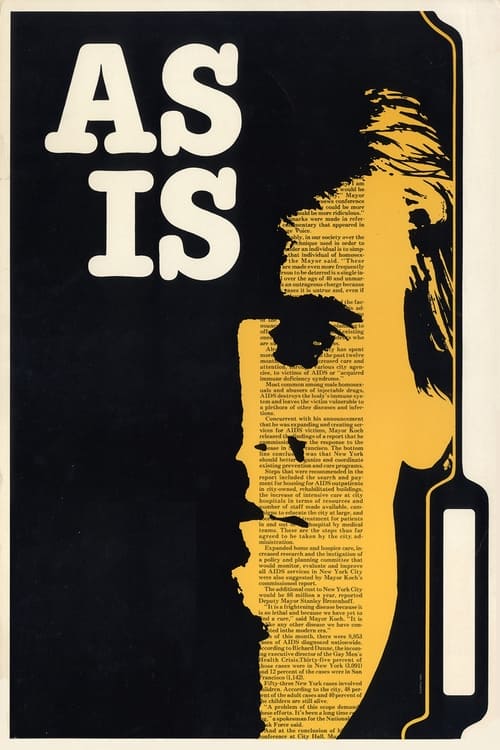
As Is
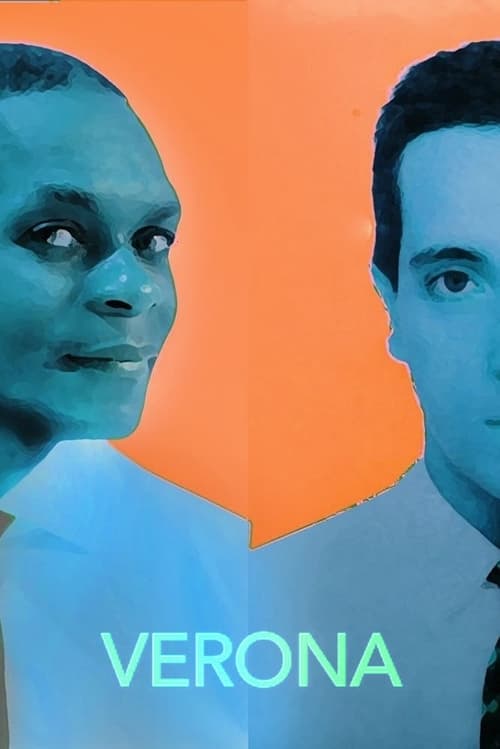
Verona
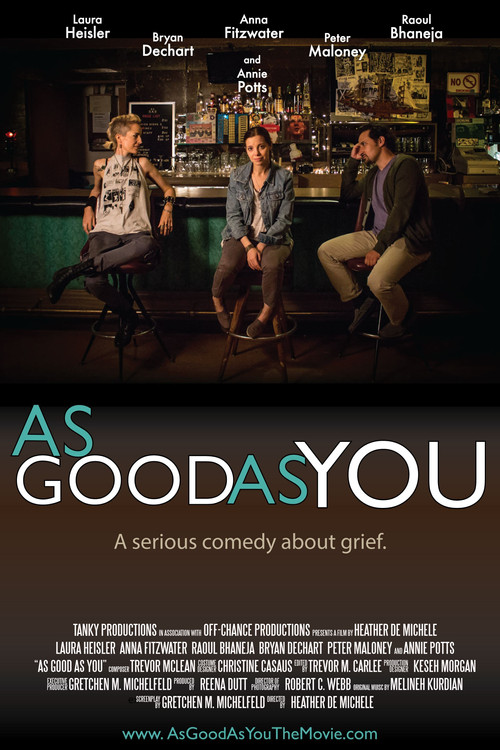
As Good As You

Pittsburgh

The Transsexual
Love Without Fear
Paradigm
Hunter
At Home

I Am Curious Gay
Sun in My Mouth

High Tide

The Billionaire

Hornbeam

Angelo

Haslers
Funny Boy
Walk a Crooked Path

Pulse

A Holiday I Do
Undetectable

Tropical Night
Bye Bye Victor

Half Past Ten
Spilt Milk

Santuaryo

Open

Guardian

Hotel Boy
Zalamero
Aline
Remains

Eve: The Real Petting

Dutch Touch

Dinner Confession

War Baby

DannyBoy
Summer Kiss

Billy Boy
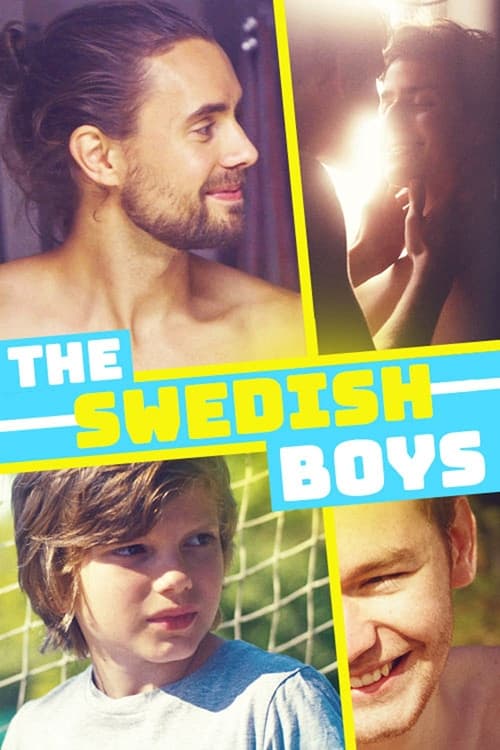
The Swedish Boys

No Locked Doors

Love Cycle
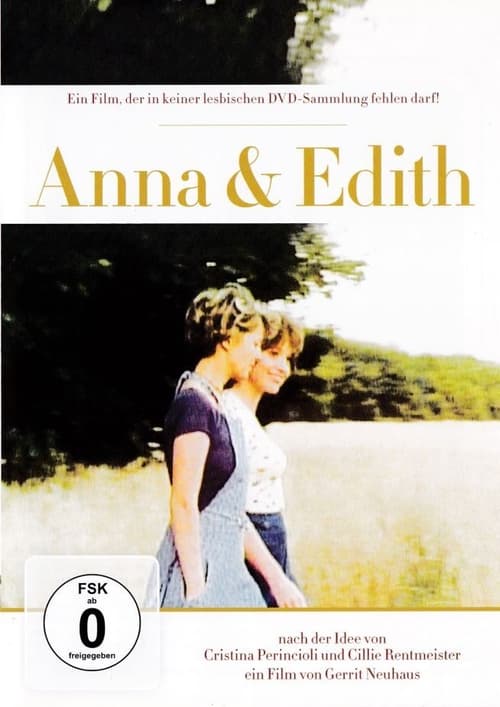
Anna and Edith
Two Lakes Of Tears

S.O.S.

Fish Tank

Memoirs of a Geeza

Gentleman Spa
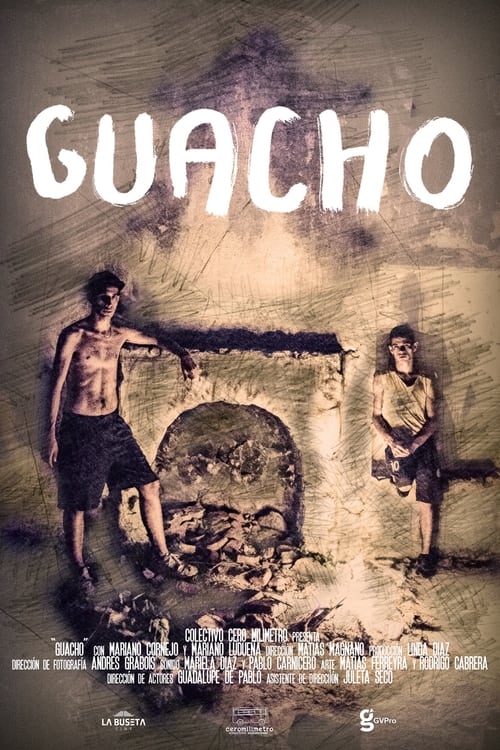
Guacho

Bye Bye Bituin

The Yearbook (Movie)
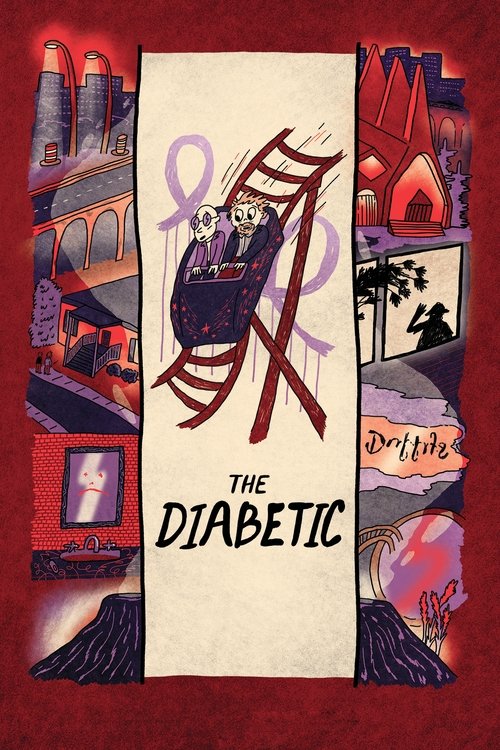
The Diabetic

Nós Dois

Shut Eye
Piecht

Bulldog
Eclipse

The Male Gaze: A Better Tomorrow

Conditional Desire

Top Girls

Boy with the Devil

Tenho um dragão que mora comigo

Heaven and Nature

Half an Orange

AI Junko

The Night of the Day the Sky Fell

No soy nadie

Eu me tornei outra coisa

A Brooklyn Love Story
Tazza

Heartsick
No Final Answer

mas,
The Rest is Flowers
Man On Man

Sunset Lullaby
Untitled
Untitled

Where Hands Touch

Maurice

A Patch of Blue
My Policeman

My Fault: London
Firebird

Sophie's Choice
Lolita

Forever First Love

A Journal for Jordan

Elena Undone

If Beale Street Could Talk
Two Lovers
Unfaithful
Lady Chatterley's Lover
Julia

Time Is Up

Camp Belvidere
Jungle Fever

All of You
Sunshine

A Home at the End of the World
Ashes in the Snow
Circle of Friends
Come See the Paradise
Fire with Fire
House of Boys
Anna Karenina
Blind
Newness

Game of Love
London
Every Time We Say Goodbye

Wander Darkly

Maria's Lovers

See You Soon

All Over Me
Apr 24, 2018
Tribeca Film Festival
Apr 27, 2018
Apr 28, 2018
Montclair Film Festival
May 18, 2018
© 2025-2026 MovieNight. All rights reserved.
Versus
Sign in to play →
A.K.A.: It's a Wiley World!
2003

Apollo 14: To Fra Mauro
2006
Sign in to vote
Battle your watched movies head-to-head
Community Top Movies

Evil Dead II
1987 · 14 wins

The Dark Knight
2008 · 14 wins

Halloween
1978 · 13 wins

Final Destination
2000 · 12 wins

Halloween II
1981 · 11 wins
Trivia
Leaderboard →Playing as a guest — sign in to save your score and rank on the leaderboard.
Movie Trivia
Guess the movie from a clue — tagline, plot, cast and more. Pick from four posters.
What movie experience do you prefer?
What is your favorite movie genre?
Versus
Sign in to play →
A.K.A.: It's a Wiley World!
2003
Apollo 14: To Fra Mauro
2006
Sign in to vote
Battle your watched movies head-to-head
Community Top Movies
Evil Dead II
1987 · 14 wins
The Dark Knight
2008 · 14 wins
Halloween
1978 · 13 wins
Final Destination
2000 · 12 wins
Halloween II
1981 · 11 wins
Trivia
Leaderboard →Playing as a guest — sign in to save your score and rank on the leaderboard.
Movie Trivia
Guess the movie from a clue — tagline, plot, cast and more. Pick from four posters.
What movie experience do you prefer?
What is your favorite movie genre?
We use essential cookies to run MovieNight, plus analytics (Google Analytics) and advertising (Google AdSense) cookies. By continuing to browse, you agree to this — or click No and we won't. See our Terms & Privacy Policy to learn more.