
Get the MovieNight app
Add it to your home screen — faster & full screen
Get the MovieNight app
Add it to your home screen — faster & full screen
 BBC Film
 Heyday Films
 Miramax
Not part of a collection.
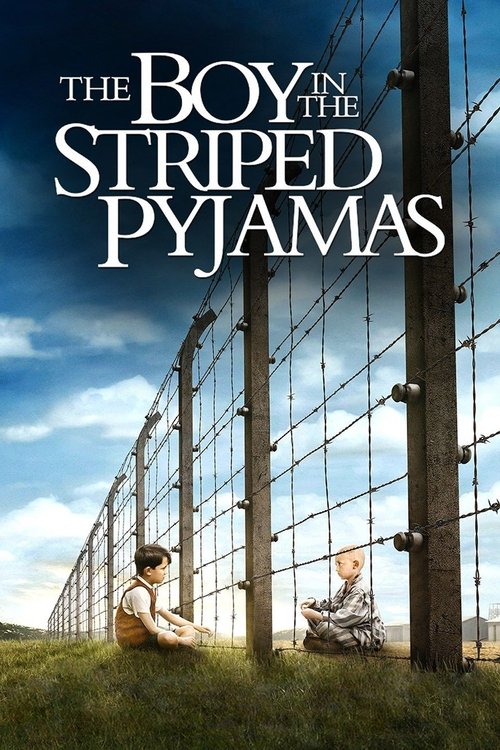
Lines may divide us, but hope will unite us.
When his family moves from their home in Berlin to a strange new house in Poland, young Bruno befriends Shmuel, a boy who lives on the other side of the fence where everyone seems to be wearing striped pajamas. Unaware of Shmuel's fate as a Jewish prisoner or the role his own Nazi father plays in his imprisonment, Bruno embarks on a dangerous journey inside the camp's walls.
badelf
Sep 10, 2026 · via TMDB
**Summary: 2/10: well-acted, handsomely made, and morally inverted, a film so intent on manufacturing sympathy for a commandant's family that it forgets, or worse, quietly excuses, whose deaths it was supposed to be mourning.** I haven't read John Boyne's novel, so I can't tell you where the book's failures end and the film's begin. I can only tell you what arrived on screen, and what arrived on screen is a Holocaust memory film that gets the craft right and the moral geometry catastrophically wrong. The acting is not the problem. Asa Butterfield is believable as a bored, incurious eight-year-old; David Thewlis plays the commandant with the kind of clipped, unbothered domesticity that should be chilling; Vera Farmiga does real work with a woman coming apart. Mark Herman's direction is competent, the production values are handsome, the Hungarian locations convincingly evoke the machinery of the camp. None of that is in question. What's in question is the premise itself, and premises are not neutral. The film asks us to believe that the wife and children of an Auschwitz-adjacent commandant would not know, would not smell it, would not hear it, would not notice the smoke or the silence or the trucks. This is not a small contrivance in service of a story; it is the whole architecture of the story, and it is a lie by omission dressed up as innocence. The fence a small boy could wander up to unsupervised and befriend a starving child through, in a scenario the book invented from nothing, did not exist. Real fences were guarded, real families of SS officers lived with full knowledge of what their husbands did all day, and children of that age in that world were not blank slates; they were being raised inside an ideology, at school, at the dinner table, in the language of their own household. Stanley Kramer put the "we didn't know" defense on trial explicitly in *Judgment at Nuremberg*, decades closer to the events, and even there the film treats the claim as something to be interrogated and dismantled under oath. *The Boy in the Striped Pyjamas* extends the same claim, unexamined, to a grown household living on the literal grounds of a death camp, and then hands it to us wrapped in a child's point of view so we can't argue with it. The film wants tragedy at the end, and it gets a shocking image, but the emotional target it hands you is the mother. We are meant to grieve with her, for her loss, for her broken family, for the horror visited upon her by her husband's job. That is the whole design flaw laid bare: after ninety minutes inside a story about the murder of hundreds of thousands of children, the tears the film has engineered belong to the family of the man responsible. If you want to know what actual historical memory looks like, it looks like Claude Lanzmann's *Shoah* (1985), over nine hours of testimony from survivors, bystanders, and perpetrators, filmed decades after the fact, with no archival footage, no reenactment, no score, no comfort. Lanzmann refused every device that turns atrocity into narrative satisfaction, because he understood satisfaction was exactly the wrong thing to offer. *Conspiracy* (2001) refuses it too, letting bureaucratic language convict men without a single sympathetic domestic scene. *Labyrinth of Lies* is about nothing except the decades of denial this film's premise quietly extends onto the screen. *The Boy in the Striped Pyjamas* offers the opposite of all of them: a tragic ending, a swelling score, a mother to weep with, and calls it memory. That is not historical memory. That is evil dressed in a nice coat.

r96sk
Jun 11, 2024 · via TMDB
Not convinced this is a greatly made movie, but it sure does pack a punch! <em>'The Boy in the Striped Pyjamas'</em> makes for good viewing for the majority, though that ending really is quite something - startling in fact, and that's even with me sensing it. The aforementioned is because, as well as the way the film builds in general, I'm pretty certain I watched this at high school; just not sure if it was snippets or the whole thing, the fence scenes are the only ones I vaguely recall seeing. The low acting level of the youngsters did take me out a bit, no dislike to Asa Butterfield and Jack Scanlon, obviously, but they aren't the best. Though they aren't helped by the dialogue for them, which doesn't feel natural at all. It's written in a way that is simply to tell the viewer about what's happening. The adult actors are great, though. Vera Farmiga stands out, though David Thewlis, Rupert Friend and David Hayman merit a mention too. All in all, it's a good film - and one that is distressingly unforgettable thanks to that one moment.
User reviews courtesy of TMDB.
 Amazon Video
 Apple TV Store
 Google Play Movies
 YouTube
 Fandango At Home
 JustWatch TV
Amazon Video
Apple TV Store
Google Play Movies
YouTube
Fandango At Home
JustWatch TV
Amazon Video
Apple TV Store
Google Play Movies
YouTube
Fandango At Home

Asa Butterfield
Bruno

Vera Farmiga
Mother
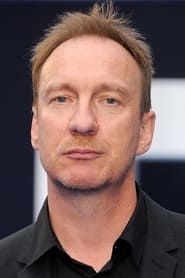
David Thewlis
Father

Jack Scanlon
Shmuel

Amber Beattie
Gretel
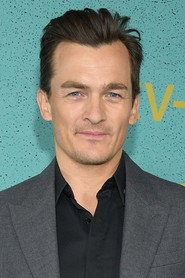
Rupert Friend
Lieutenant Kotler
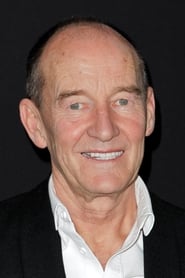
David Hayman
Pavel
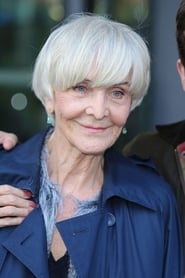
Sheila Hancock
Grandma

Richard Johnson
Grandpa

Cara Horgan
Maria
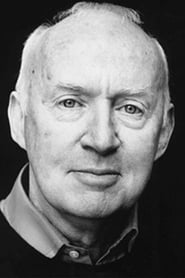
Jim Norton
Herr Liszt

László Áron
Lars

Charlie Baker
Palm Court Singer

Iván Verebély
Meinberg

Béla Fesztbaum
Schultz

László Quitt
Kapo 1

Mihály Szabados
Kapo 2

Julia Papp
Dancer (uncredited)

Martin Childs
Production Design

Benoît Delhomme
Director of Photography

Rosie Alison
Co-Producer

Christine Langan
Executive Producer
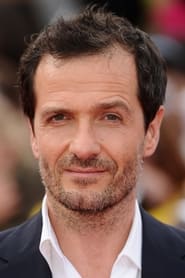
David Heyman
Producer

James Horner
Original Music Composer

John Casali
Production Sound Mixer
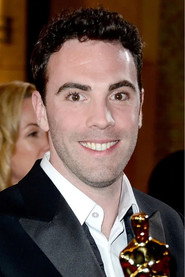
Mark Paterson
Sound Re-Recording Mixer
Ensemble
At the Beginning of Summer
Pavlínka
Vrak
Žena pod křížem
Štvrtý rozmer
Letters
Svatba bez prstýnku
Laddie
So-Called Girls
The Shawshank Redemption
Schindler's List
The Green Mile
Nylon Moon
Once Upon a Time in America
The Silence of the Lambs
The Prestige
Casablanca
Rome, Open City
The Man Who Planted Trees
Životem vedla je láska
Korespondent Bryan
Freedom Writers
The Great Escape
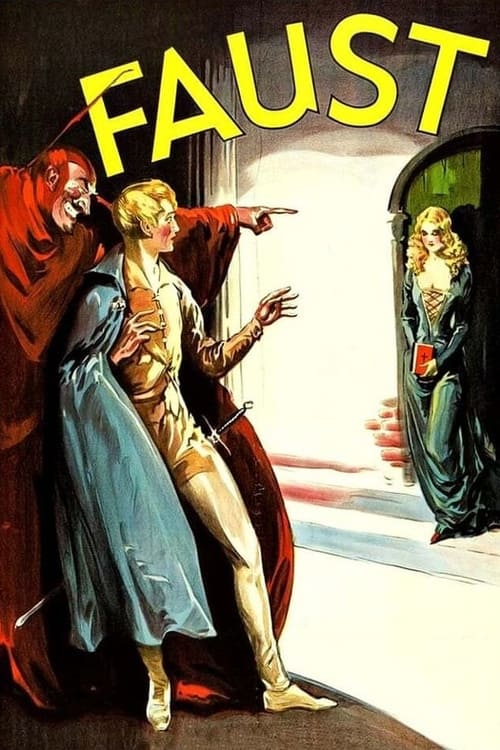
Faust
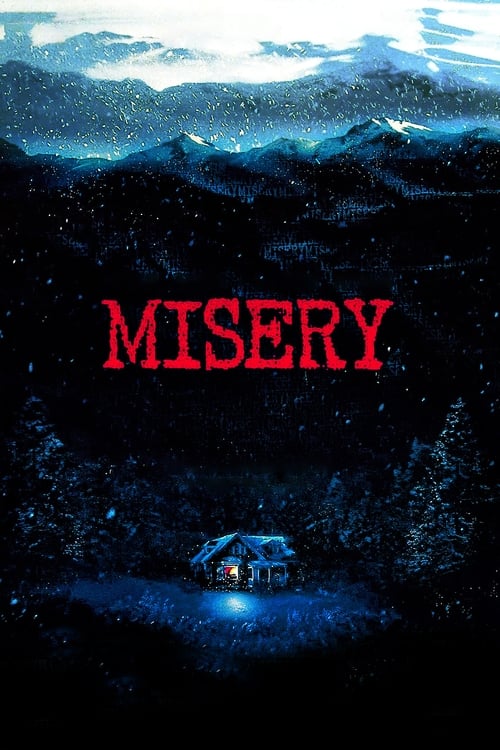
Misery
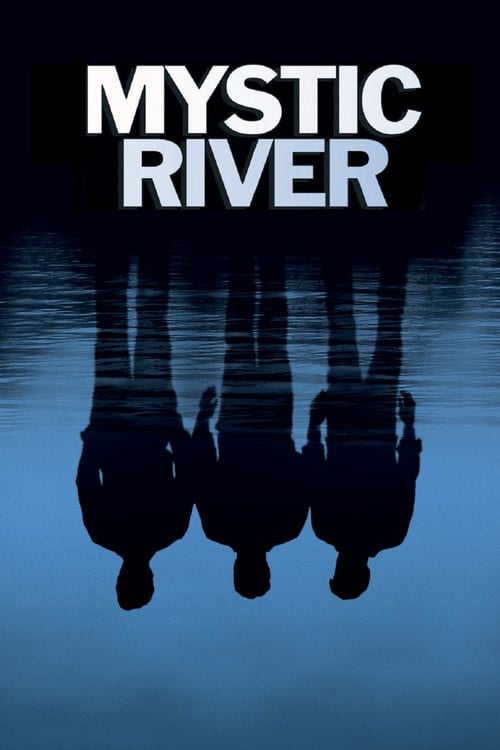
Mystic River
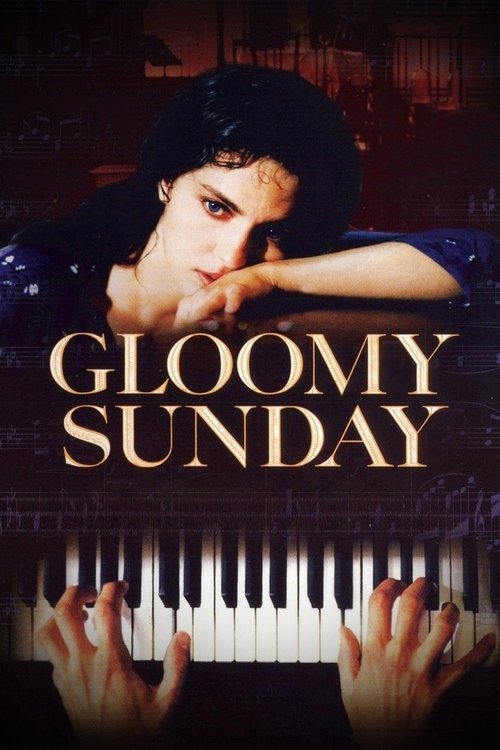
Gloomy Sunday
The Hustler
Fried Green Tomatoes

Memoirs of a Geisha

The Dirty Dozen
Oliver Twist
Beautiful Boy

Malena
Sunflower
Eyes Wide Shut
And the Violins Stopped Playing
Obsession
Zorba the Greek
When the Wind Blows
The Devil Wears Prada
The Bourne Ultimatum
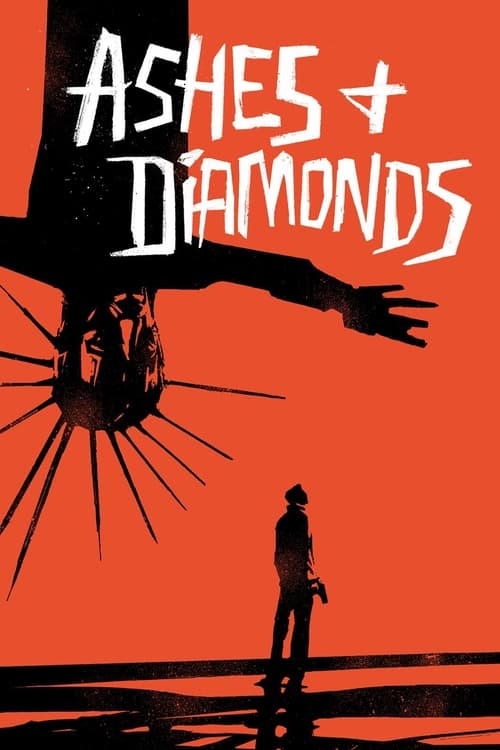
Ashes and Diamonds
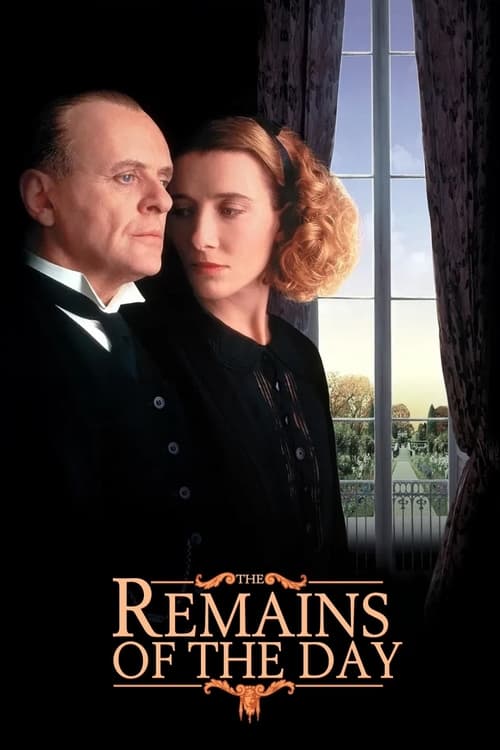
The Remains of the Day
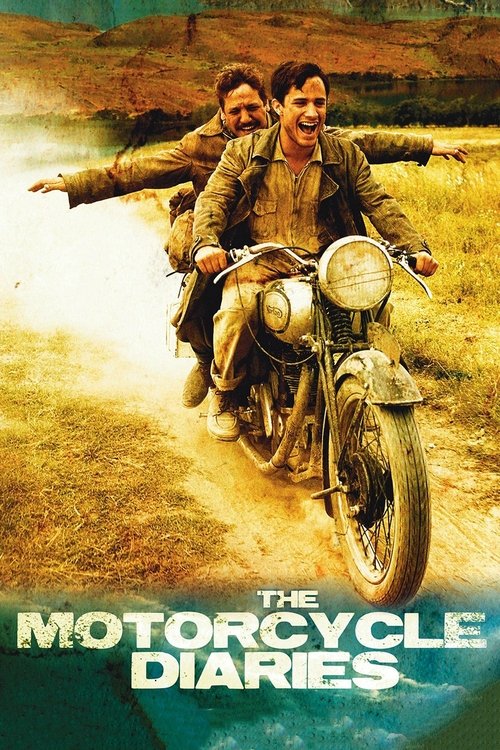
The Motorcycle Diaries

Ordinary Men: The "Forgotten Holocaust"
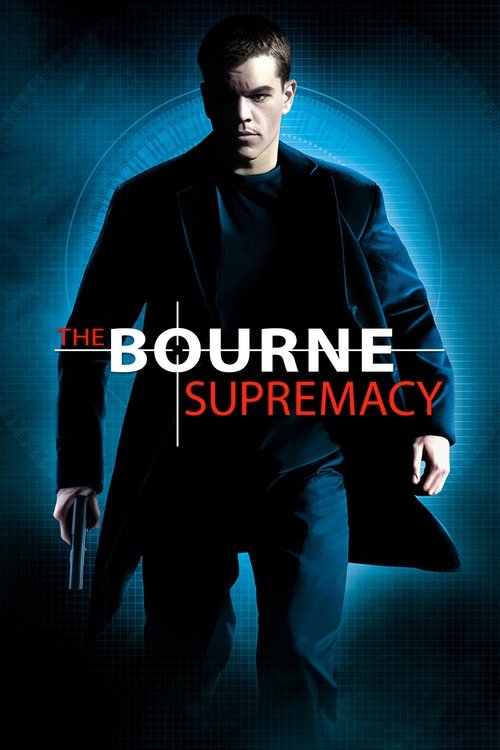
The Bourne Supremacy
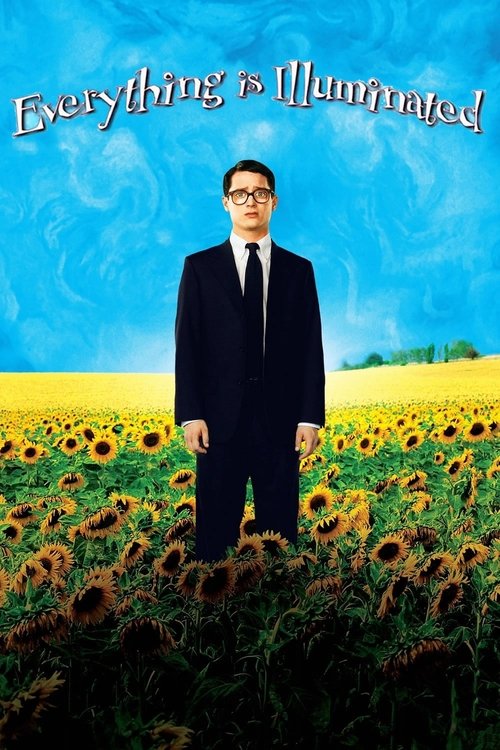
Everything Is Illuminated
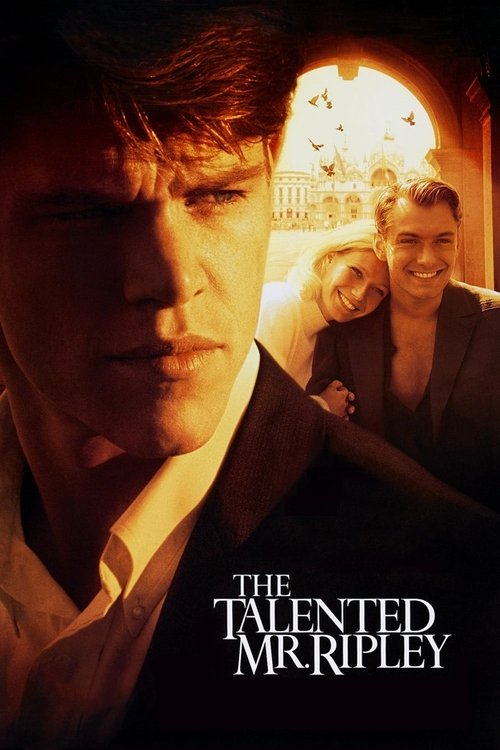
The Talented Mr. Ripley
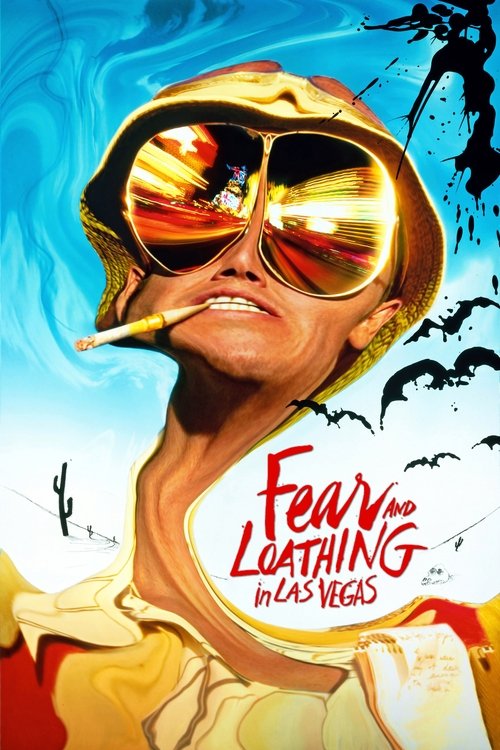
Fear and Loathing in Las Vegas
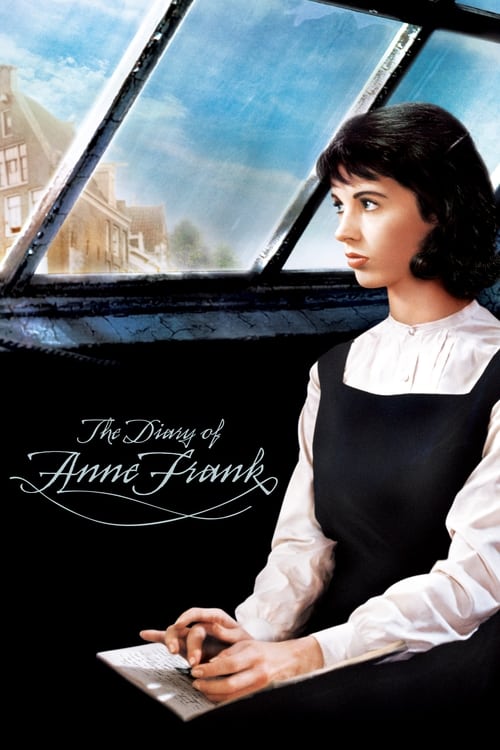
The Diary of Anne Frank
A Bridge Too Far

Haw
Our Mother's House

The Fox and the Hound
Straw Dogs

Fahrenheit 451
Desert Hearts
The English Patient
Cross of Iron
Romance Doll
Contempt
Ronia: The Robber's Daughter

Monsieur Batignole
The Dimension Travelers
The Night the Angel Turned Away
Prisoners of Propaganda
Poslední ples na rožnovské plovárně
Predsunutý
The Story of Adèle H.
The Prime of Miss Jean Brodie
D-Day: Normandy 1944

The Sisters Brothers
Seeking Sun Paths

A Human Promise
The 13th Warrior
Bonjour Tristesse
Eye of the Needle
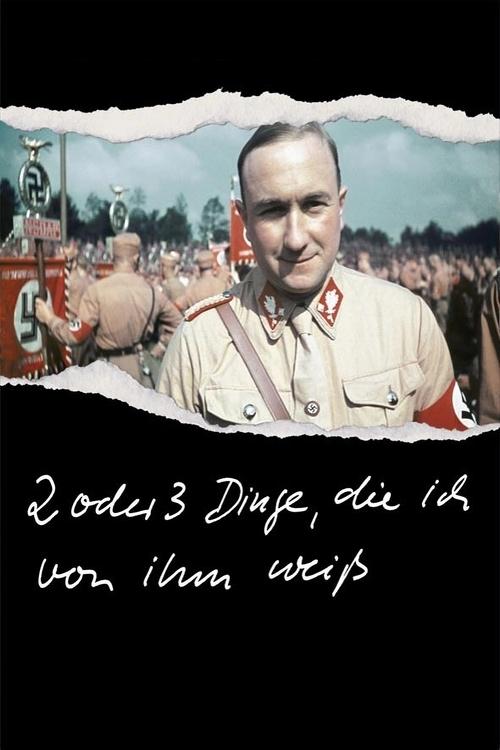
2 or 3 Things I Know About Him

Christmas Jars
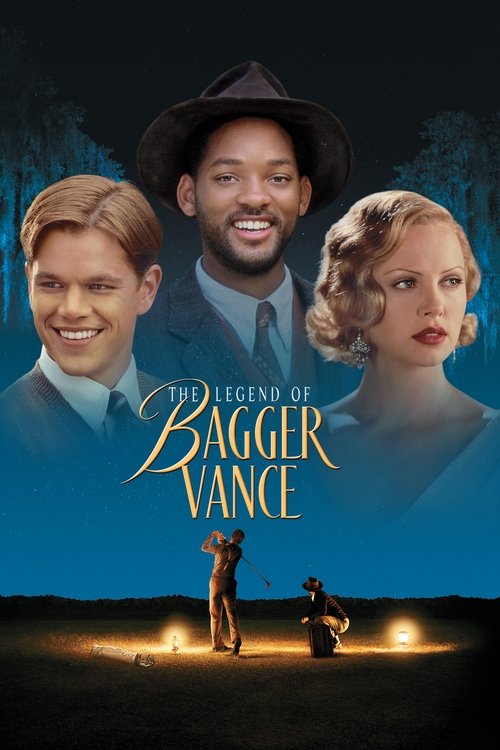
The Legend of Bagger Vance
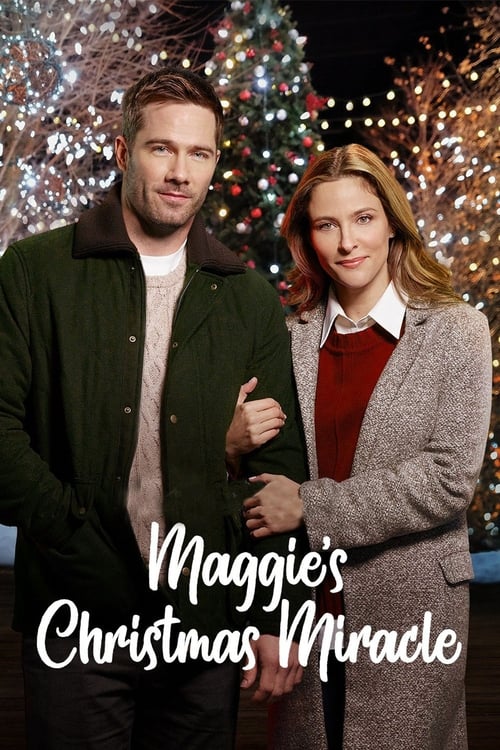
Karen Kingsbury's Maggie's Christmas Miracle
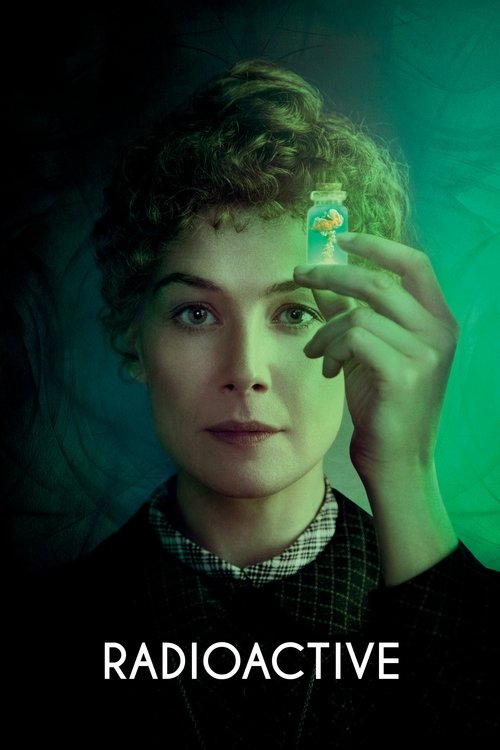
Radioactive
24 Hours with Gaspar

The Man Who Fell to Earth

The Basque Ball: Skin Against Stone
Hitler from Our Street

The Beach

The Day of the Locust
Lord of the Flies
So Evil My Love

Shooting War
Hart's War
Salò, or the 120 Days of Sodom
Storm over Tjurö
Madame Bovary
Oliver Twist
Fallen Angels Paradise
Silvery Wind
One Room Tenants
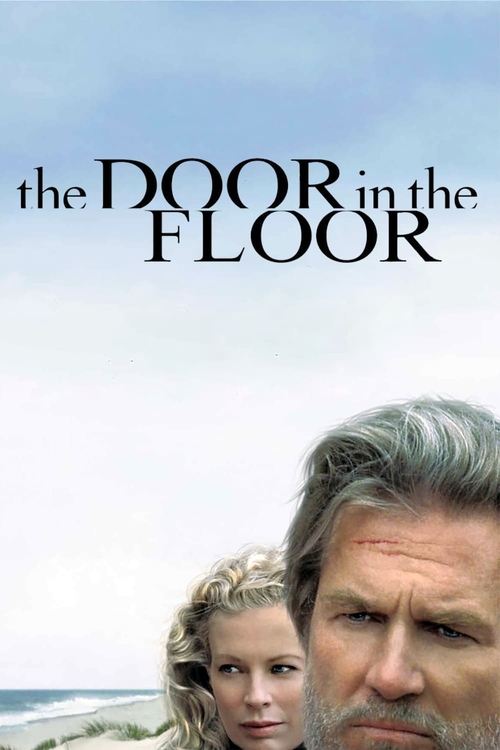
The Door in the Floor
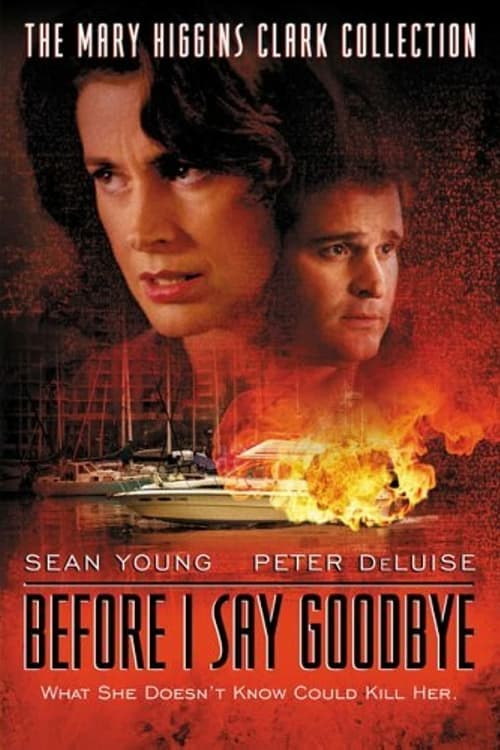
Before I Say Goodbye
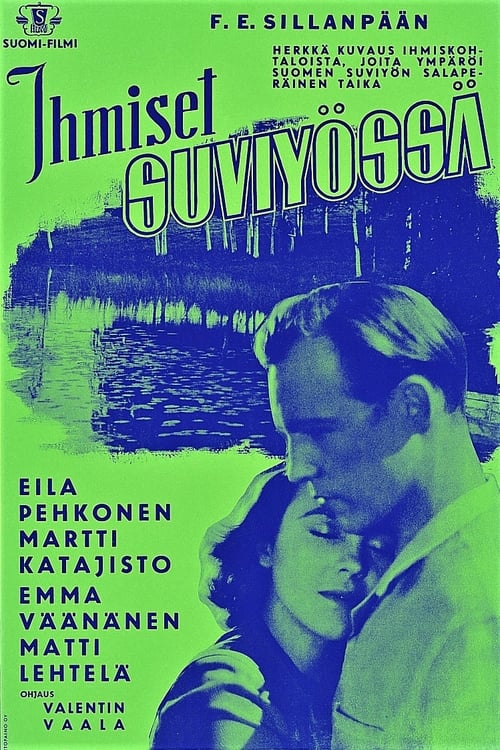
People in the Summer Night
Das Spinnennetz
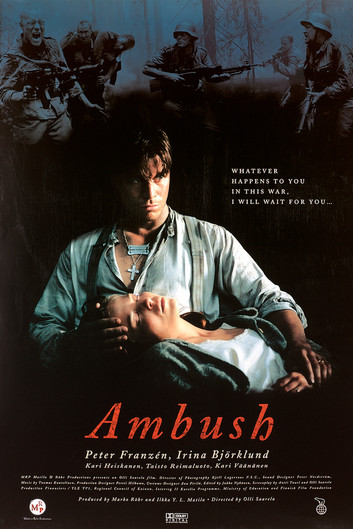
Ambush

Age of Consent
1944 The Final Defence

Buffet Titanic
Party Monster
Keep 'Em Slugging
Stay Hungry
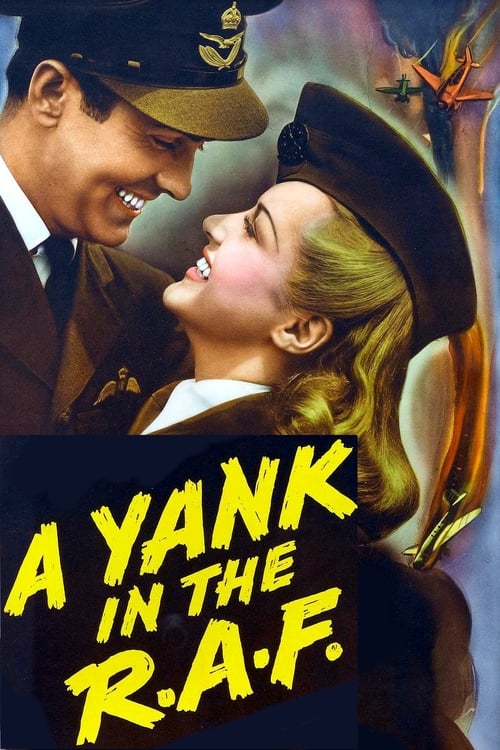
A Yank in the R.A.F.
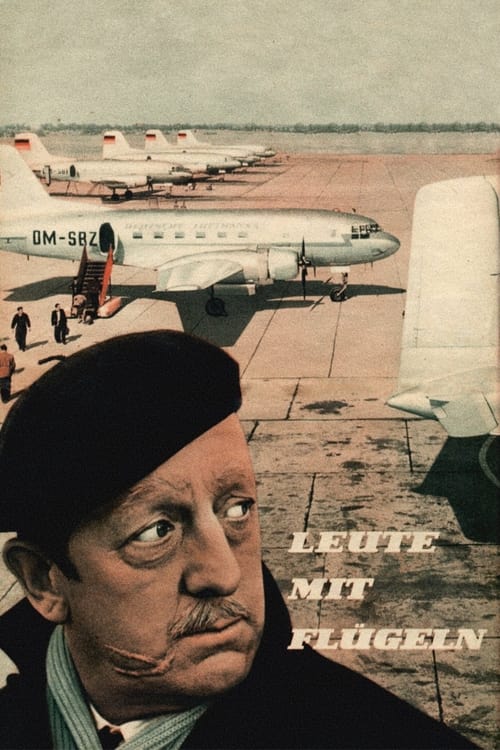
People with Wings
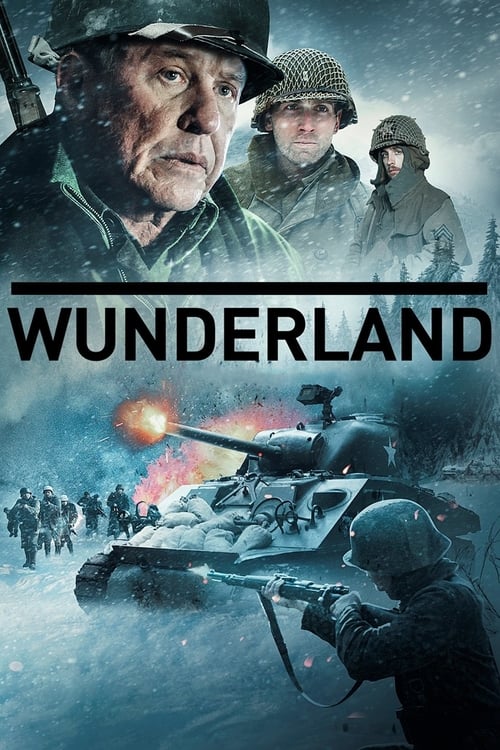
Wunderland
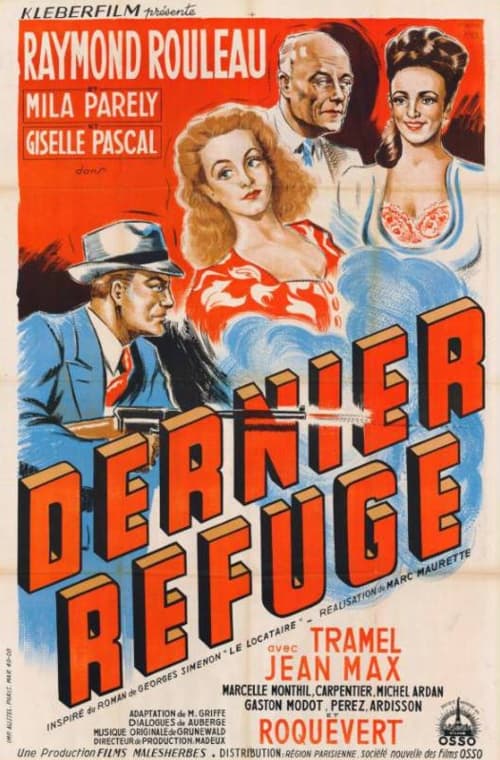
Last Refuge
The Conscript
Ça sent la coupe
Who Killed Nancy?
The Passion of Ayn Rand
Šach mat
Na startu je delfín
Sysmäläinen
Nights of Farewell
Lízino štěstí
Fanny Hill
Enchanted

Tiny Times 3
Assassination
Půlpenny
Dáma s barzojem
My Soul Is a Witness

Häyhä - The White Death
Ozveny
Sélectionné
Last Night in Montreal

Paths of Glory
The Great Escape
Truth & Treason
All Quiet on the Western Front

White Bird

The Six Triple Eight

Empire of the Sun
The Best of Enemies
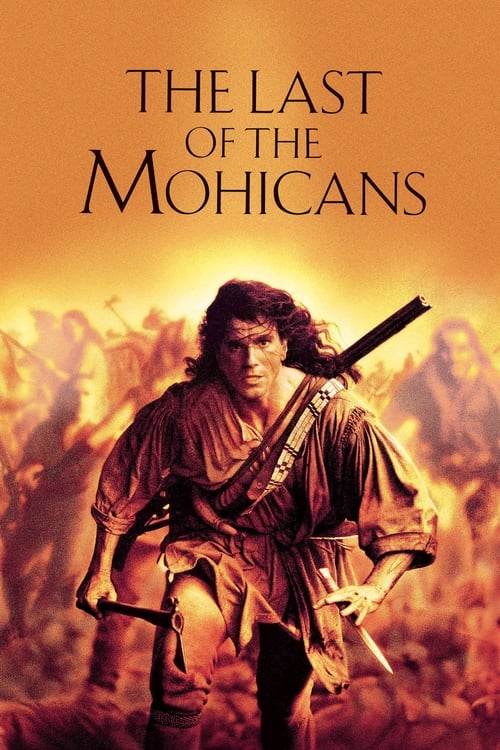
The Last of the Mohicans
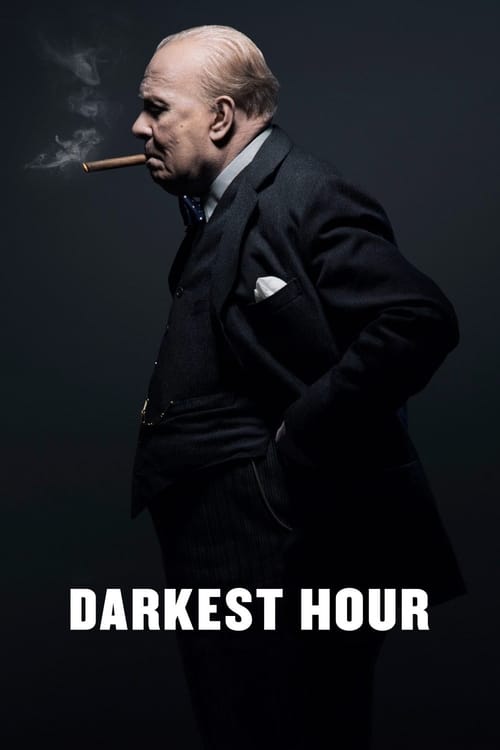
Darkest Hour
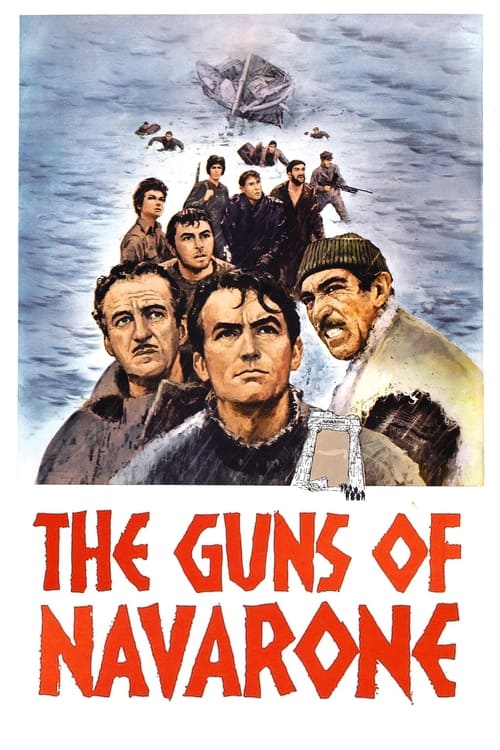
The Guns of Navarone
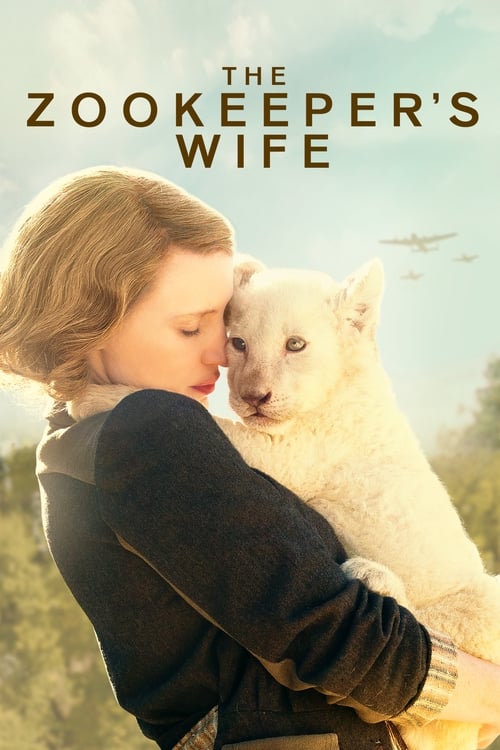
The Zookeeper's Wife
The Physician
The Island on Bird Street
Prisoner of War
The Search
Breaker Morant
The Zone of Interest
The Way Back
Devotion
Munich - The Edge of War
Escape to Victory
Shepherd: The Story of a Jewish Dog

The Boy in the Woods
God on Trial
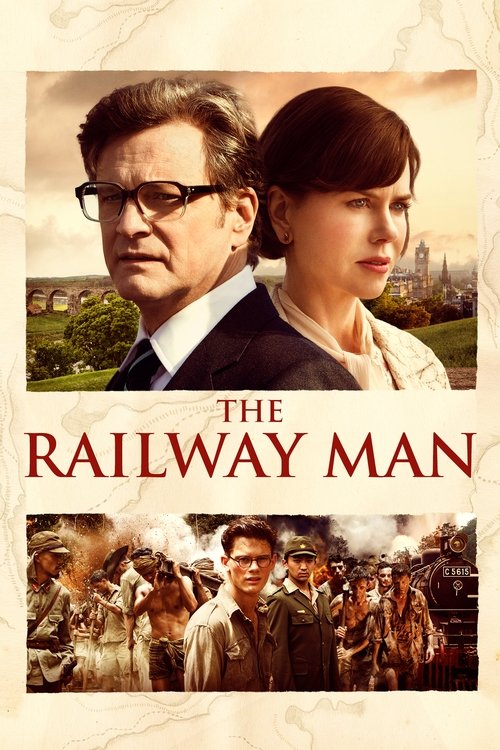
The Railway Man
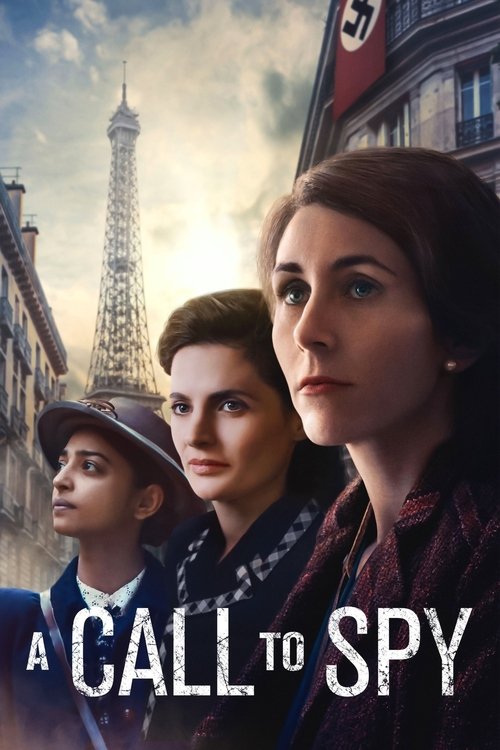
A Call to Spy
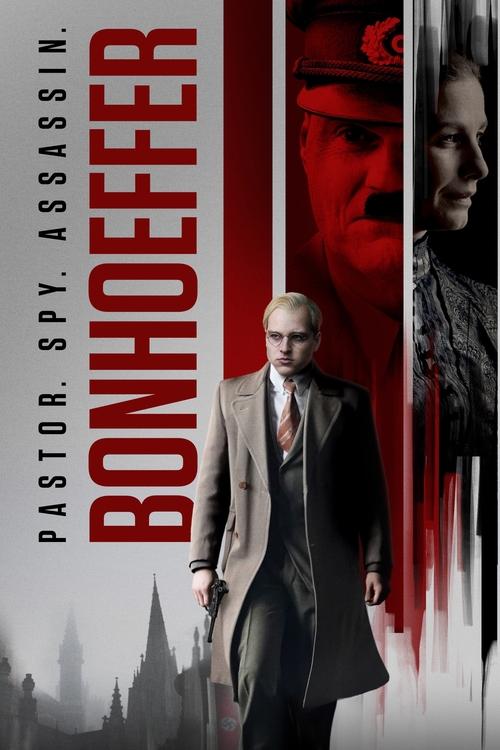
Bonhoeffer: Pastor. Spy. Assassin
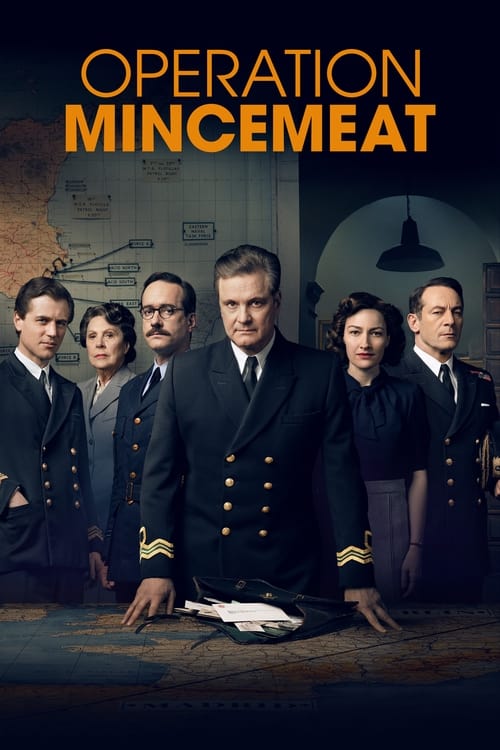
Operation Mincemeat

Uprising
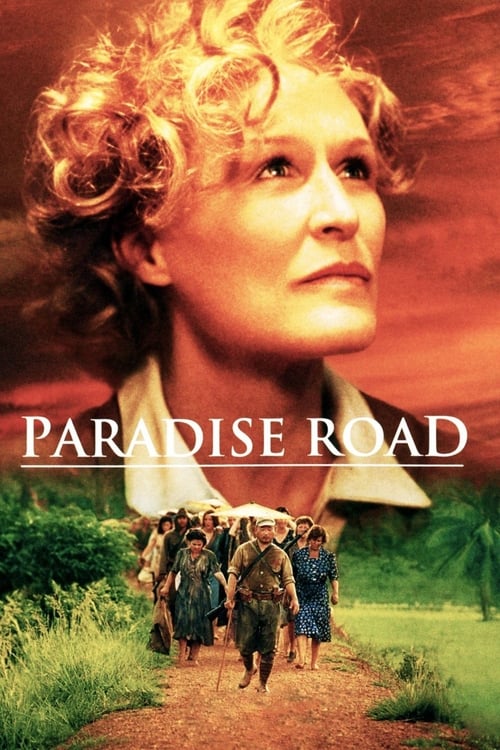
Paradise Road
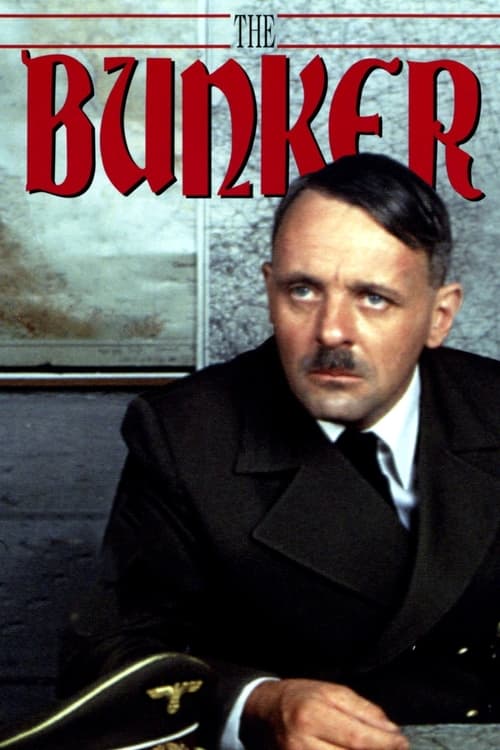
The Bunker
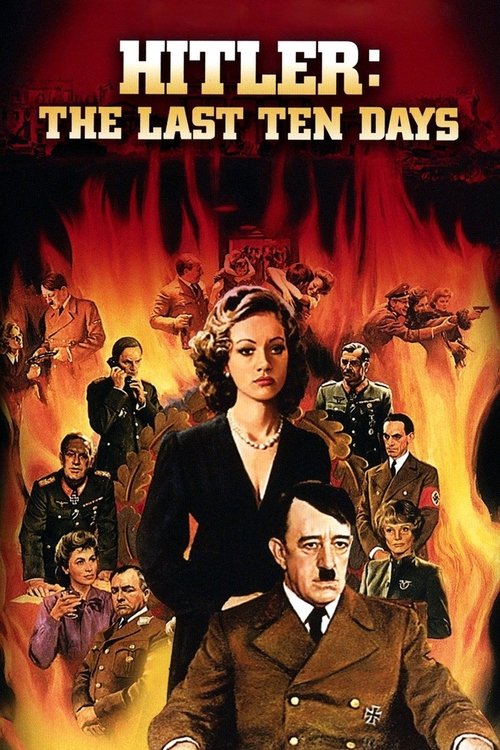
Hitler: The Last Ten Days
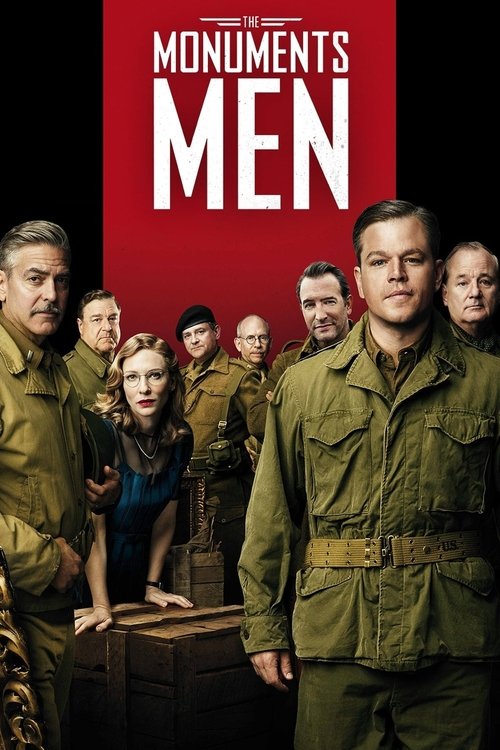
The Monuments Men
The Match
Oct 16, 2008
Heartland Film Festival
Nov 7, 2008
Nov 26, 2008
© 2025-2026 MovieNight. All rights reserved.
Versus
Sign in to play →
Wasting, sinking, dazzling, floating
2024
That Model from Paris
1926
Sign in to vote
Battle your watched movies head-to-head
Community Top Movies

Evil Dead II
1987 · 14 wins
The Dark Knight
2008 · 14 wins

Halloween
1978 · 13 wins
Final Destination
2000 · 12 wins

Halloween II
1981 · 11 wins
Trivia
Leaderboard →Playing as a guest — sign in to save your score and rank on the leaderboard.
Movie Trivia
Guess the movie from a clue — tagline, plot, cast and more. Pick from four posters.
What movie experience do you prefer?
What is your favorite movie genre?
Versus
Sign in to play →
Wasting, sinking, dazzling, floating
2024
That Model from Paris
1926
Sign in to vote
Battle your watched movies head-to-head
Community Top Movies
Evil Dead II
1987 · 14 wins
The Dark Knight
2008 · 14 wins
Halloween
1978 · 13 wins
Final Destination
2000 · 12 wins
Halloween II
1981 · 11 wins
Trivia
Leaderboard →Playing as a guest — sign in to save your score and rank on the leaderboard.
Movie Trivia
Guess the movie from a clue — tagline, plot, cast and more. Pick from four posters.
What movie experience do you prefer?
What is your favorite movie genre?
We use essential cookies to run MovieNight, plus analytics (Google Analytics) and advertising (Google AdSense) cookies. By continuing to browse, you agree to this — or click No and we won't. See our Terms & Privacy Policy to learn more.