
Get the MovieNight app
Add it to your home screen — faster & full screen
Get the MovieNight app
Add it to your home screen — faster & full screen
Not part of a collection.
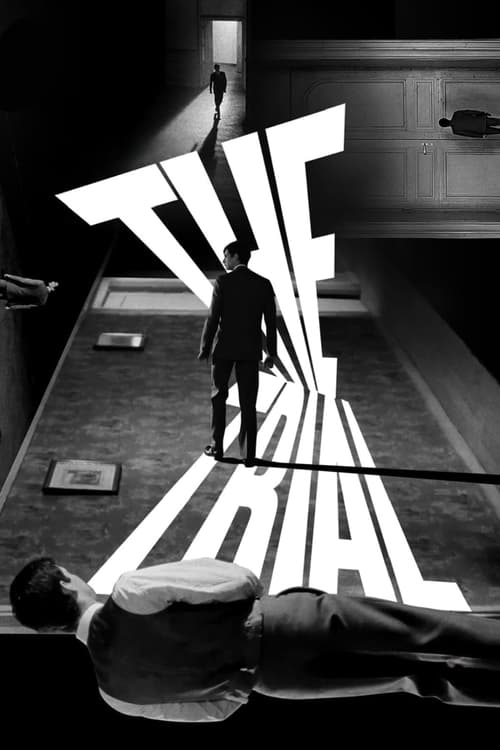
The Most Remarkable Motion Picture Ever Made!
Arrested for an unnamed crime, Josef K. is trapped in a surreal bureaucratic maze where justice is unknowable and guilt is assumed.
badelf
Feb 1, 2025 · via TMDB
The Trial: Welles's Brilliant Exposition of Guiltless Guilt Orson Welles's "The Trial" exists in a lineage of dystopian narratives that includes Kafka's original text of the same name, George Orwell's "1984", and Terry Gilliam's "Brazil" film - all works that explore bureaucratic dehumanization and the absurdity of institutional power. If the first layer of the film reveals bureaucratic absurdity and inaccessible justice, its deeper strata explore a more insidious human condition: the phenomenon of "guiltless guilt" - an existential state where individuals internalize blame for circumstances beyond their control. Josef K (Anthony Hopkins) isn't just a victim of an incomprehensible system; he's a subconscious participant in his own psychological prosecution. Welles suggests that guilt isn't an external judgment, but an internal landscape where humans reflexively blame themselves for random misfortunes. This psychological mechanism echoes broader historical traumas. Like Kafka's prescient writing before the rise of Nazism, Welles exposes how undefined, internalized guilt enables systemic oppression. The nameless accusation becomes a mirror: "Perhaps I deserve this," people whisper to themselves, thus facilitating their own marginalization. Religious narratives - from Eve's original sin to cultural mythologies of personal culpability - have long programmed this psychological response. We carry lucky charms, we apologize for being victims, we internalize blame as a perverse form of control. In both "The Trial" and "Brazil", the visual language becomes a physical manifestation of this psychological oppression. Welles's stark, expressionist landscapes and Gilliam's grotesque, mechanical environments aren't mere backdrops, but external representations of internal psychological states. The labyrinthine bureaucracies become metaphors for the human mind's capacity for self-persecution, where architectural complexity mirrors psychological entrapment. Welles and Gilliam share a crucial insight: systemic oppression isn't imposed from outside, but cultivated from within. Josef K and Sam Lowry aren't just victims; they're unwitting architects of their own psychological prisons. The surreal, nightmarish visual styles become a perfect translation of this internal landscape of "guiltless guilt" - where the most effective chains are the ones we forge for ourselves. "The Trial" is less a film about justice than a profound exploration of how humans psychologically prepare themselves for, and participate in, their own oppression.

CaseyReese
Feb 8, 2023 · via TMDB
.

CinemaSerf
Nov 6, 2022 · via TMDB
There is something really quite terrifying about the scenario in which "Josef K" (a career-best performance from Anthony Perkins, I think) finds himself in this rather sinister thriller. He is awakened one morning to find the police in his bedroom. He is arrested and told he is to stand trial. For what, you might think? Well, that's what he wonders too - and every effort he makes to establish just what he is supposed to have done fails to deliver. His detention is hardly traditional either. He is largely free to come and go as he pleases, provided always that he is available to attend his questioning sessions by those who seem rather arbitrarily charged with deciding his guilt or innocence. As his (and our) frustrations grow, he explores the lives of those close to him - might the source of his predicament lie there? Luckily, his uncle learns of his situation and engages the learned advocate "Hastler" (Orson Welles) - but is he likely to prove an help or an hindrance? This story is Kafka as his very best. Machiavellian scheming mixed with the ultimate in "Big Brother" state manipulation; the disabling lack of information and the increasing exasperation of young "Josef" are successfully transferred onto an audience that shares his fears and apprehensions. Gradually, we learn a great deal about this man, his flaws, foibles and fetishes, but still are uncertain as to just what he is supposed to have done! A considerable degree of the menace here emanates from the dark photography and from an effective supporting cast who excel in perpetuating the mystery, too. Welles directs this with considerable aplomb, Jean Ledrut provides an evocative and mysterious score to accompany a screenplay that delivers the sense of vexation and chagrin well and compellingly. Fans of horror films ought to watch this too - it's one of the scariest films I have ever seen.
User reviews courtesy of TMDB.
 Amazon Video
 Apple TV Store
 Google Play Movies
 YouTube
 Fandango At Home
 Criterion Channel
 Night Flight Plus
 Artiflix
Amazon Video
Apple TV Store
Google Play Movies
YouTube
Fandango At Home
Artiflix
Amazon Video
Apple TV Store
Google Play Movies
YouTube
Fandango At Home
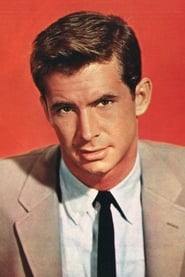
Anthony Perkins
Josef K.

Romy Schneider
Leni
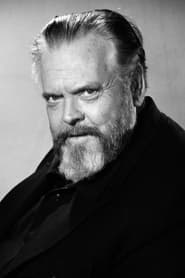
Orson Welles
Albert Hastler
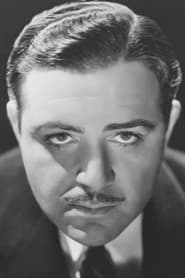
Akim Tamiroff
Bloch

Jeanne Moreau
Marika Burstner

Elsa Martinelli
Hilda

Suzanne Flon
Miss Pittl

Madeleine Robinson
Mrs. Grubach

Max Haufler
Uncle Max
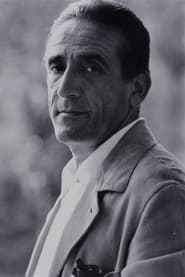
Arnoldo Foà
Inspector A

Jess Hahn
Assistant Inspector #2
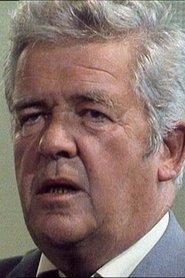
Billy Kearns
Assistant Inspector #1

Maurice Teynac
Deputy Manager
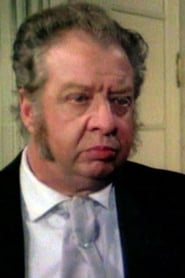
Raoul Delfosse
Policeman
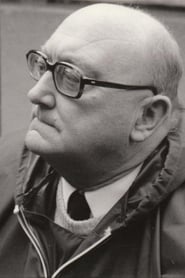
Jean-Claude Rémoleux
Policeman

Carl Studer
Man In Leather
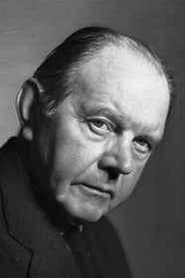
Fernand Ledoux
Chief Clerk of the Law Court

Thomas Holtzmann
Bert the Law Student

Wolfgang Reichmann
Courtroom Guard
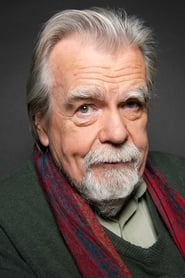
Michael Lonsdale
Priest

Edmond Richard
Director of Photography

Robert Fraisse
Second Assistant Camera
Orson Welles
Director

Roberto Perpignani
Assistant Editor
Orson Welles
Editor

Alexander Salkind
Producer

Guy Villette
Sound

Franz Kafka
Novel
Orson Welles
Screenplay

In Search of Mother

Theater of Life: Youth Version
Lapseni on minun…
Unfit To Stand
Bicycle Thieves
The Elephant Man

Pride & Prejudice
The Lives of Others
Mirage
Faustrecht
The Iron Giant
Raise the Red Lantern
Downfall
Logan
1900
Fallen Angels

Atonement

Cero y van cuatro
The Last Emperor
The Stranger
Girl, Interrupted
Synecdoche, New York

The Inquisitor
Obsession

My Cousin Vinny

Sweet Bean
The Call of the Wild
The Muppet Christmas Carol
The Man Who Knew Too Much
The Experiment
Sicko
As Good as It Gets

The Secret Garden
Prophet's Prey

Jacob's Ladder
Murder She Said

Dark City

Kings Row

Minari
Dead Man Walking
Evil
Hour of the Star
Why

Lady Joker
Torch Song Trilogy
Bicentennial Man

Pleasantville
In the Mouth of Madness
Master and Commander: The Far Side of the World
Queen Margot
Hunger

The Yin-Yang Master: Dream of Eternity

The Last 10 Years
The Player

Hustle & Flow
The Tin Drum

Together

The Age of Innocence
The Trouble with Harry
A Room with a View
Tea in the Harem
My Hometown
A Death of Innocence
Storm Over Jamaica

Soy leyenda
The Erasers

Waiting for My Cup of Tea

Teinen Oyaji Kaizou Keikaku

VICE News Presents: 'Epstein Didn't Kill Himself'
Dark Horse
The Prime of Miss Jean Brodie

The Shell Seekers

Life on a String
Fantômas

Ammonite
The Baby of Mâcon
Prospero's Books

Chilly Scenes of Winter

Welcome to Paradise
Suicide Mission
The Girl From Hong Kong
The Da Vinci Code
The Life Ahead
Jakob the Liar
The Lost World

Before Night Falls

Mansfield Park
My Beautiful Laundrette
The Friend

A Working Man
Burn After Reading
The Good Liar
The Mysterious Miss C.
Silent Hill
Double Jeopardy
The Exorcism of Emily Rose

To Die For

Emma
The Legend of Bagger Vance
Bringing Out the Dead

The Last Mitterrand
Kotch
The Big Fake

A Perfect Murder
2 Fast 2 Furious
Blindness
Le Pion
Topkapi
Freeway

Sons and Lovers

Tight Spot

Varg Veum - At Night All Wolves Are Grey

The Red Lantern

O Quinze

The Sky Rider
Reflections in a Golden Eye
Devil in a Blue Dress
Next Door
The General's Daughter

The Number 23
Wild Things
What Lies Beneath
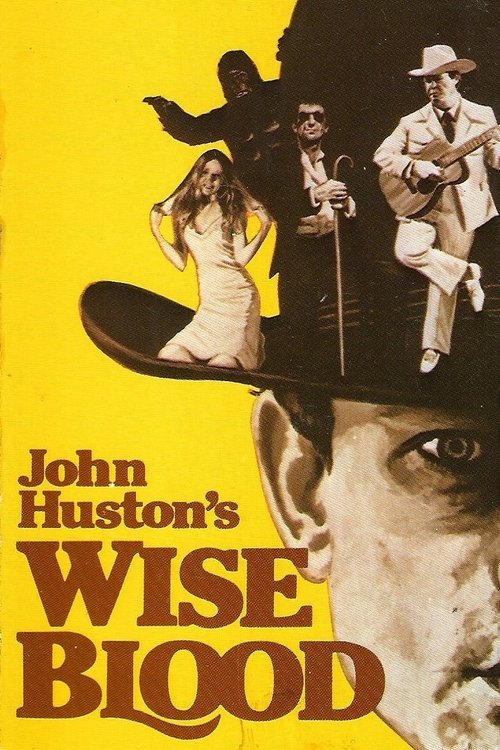
Wise Blood

The Other Side of the Underneath
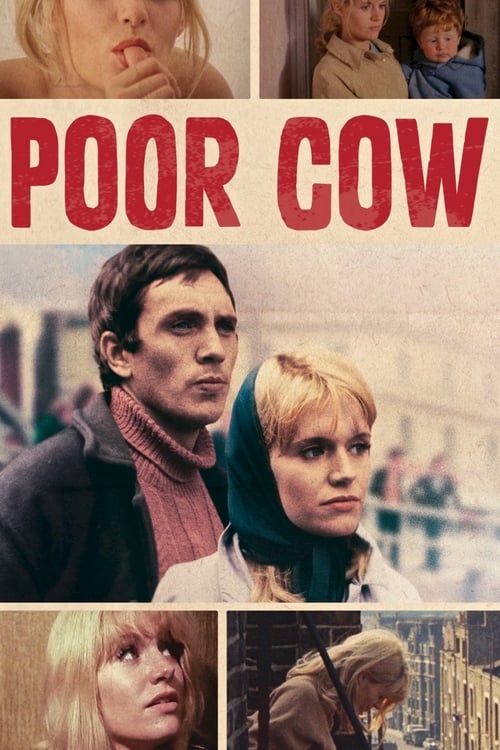
Poor Cow

Family of Cops

Chasuke's Journey
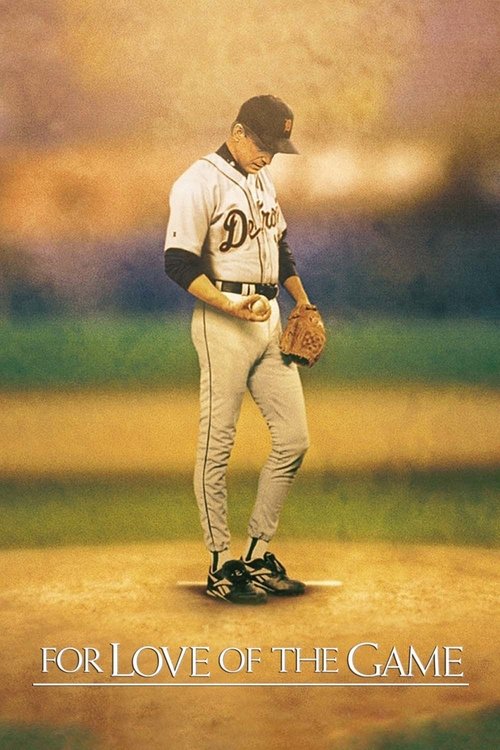
For Love of the Game
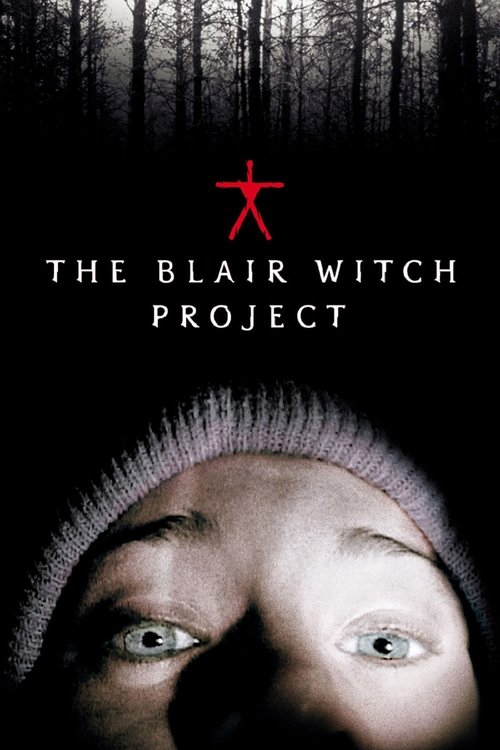
The Blair Witch Project
In the Name of the Law
A Kiss Before Dying

Camila Jam
Storm Over the Nile

Heart o' the Hills
Sleepless

Cenizas
Dilan 1983

Three Brothers
Raybang
The Mothman Prophecies
Madonnas
Snake Eyes
No Escape
Rules of Engagement

Strip Search

Crouching Tiger, Hidden Dragon: Sword of Destiny
The Omega Man
Code 46
Gothika
Factotum

Ghost in the Shell
Nurse Betty
The Kennel Murder Case

Masquerade Night
As in Heaven
The Man by the Shore
Topaz
Prêtres interdits

Mourning Recipe

The World Today: The Black Legion - Shadow of Fascism Over America
Sin

The Two of Them

Guatemala mi amor
Roe vs. Wade
Hard Rain
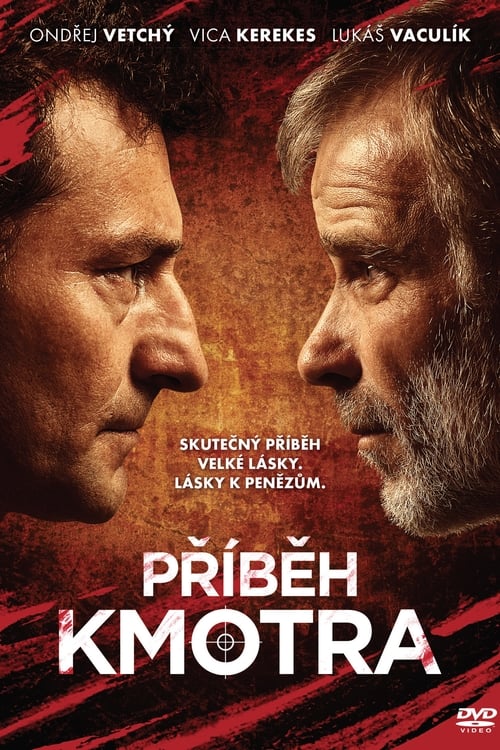
Godfather's Story

Handling the Undead
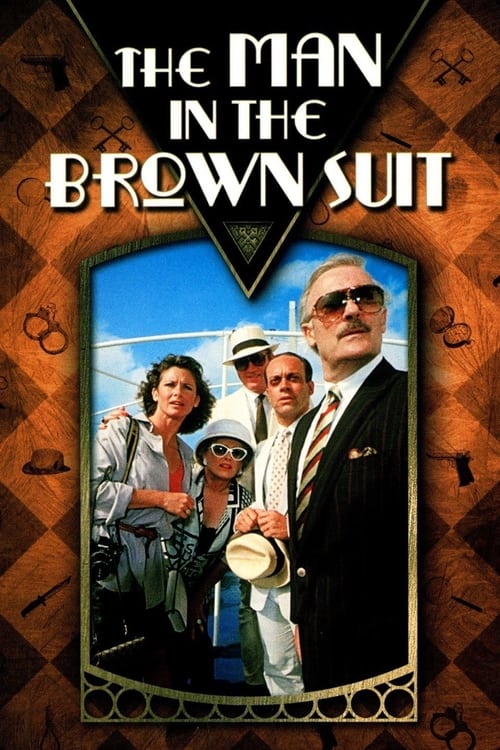
The Man in the Brown Suit
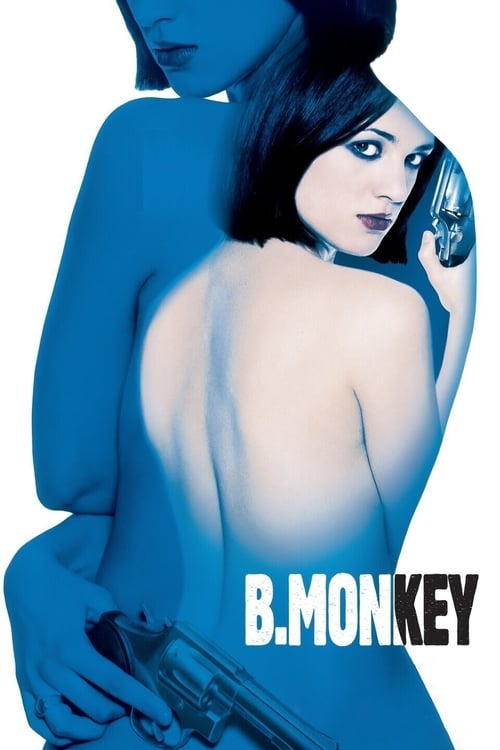
B. Monkey
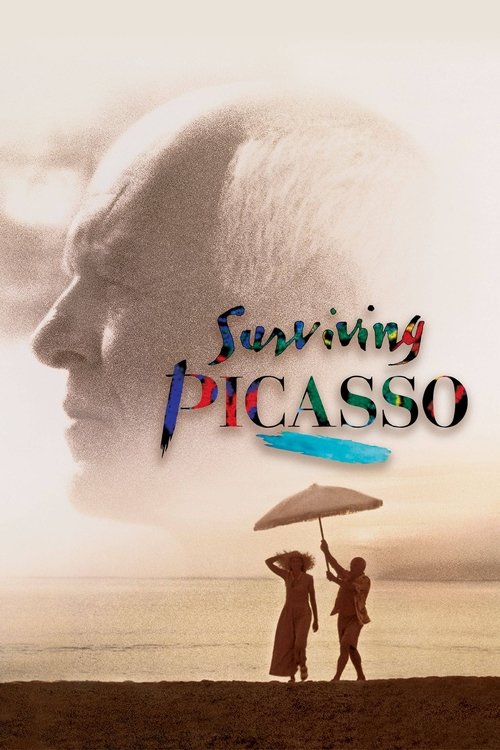
Surviving Picasso

Money Game$

Whitney
A Hero of Our Time

Masquerade
The Last Grenade
Gauguin: Voyage to Tahiti
Monsieur Beaucaire

If Not Us, Who?
Unnatural
Honey Don't!
The Seeker: The Dark Is Rising

Easy Sex
Cake
Fear Street: Prom Queen

The Stranger in My Home

Ratter
Gisela

Sparkling Cyanide
Moon Rainbow
Murder in the Cassava Patch
The Sound and the Fury
Jarrapellejos

The Lesson
Nights of Farewell
Madame and Her Niece

Lízino štěstí
Three Days Later

The Third Planet
The Harrad Experiment

Incredible Girl
I May Regret

Victoria Rosana Maite
Aduthathu
Bratři Karamazovi

#MerrittXanadu44

The Beast in Man
Sivooký démon
Jennie Gerhardtová
Země duní
Rajamaa
The Last House

The Viking Sisters
Starý včelár
Der fahrende Schüler bannt den Teufel

Bird Hours
Vincenz Priessnitz

A Heart Set Free: Charles Wesley
Dutch & Razzlekhan
The Night We Lost Him
Counting Miracles

Ziemia święta
Drugged and Abused: No More Shame

School's In

Decadent Illusions
Metropol

Three Walls and a Window
Detransition, Baby
7 Miles Out
Mistr a Markétka

Today, the two of us skipped
A Dog’s Perfect Christmas
Lincoln in the Bardo
Poker Night
THE UNSCENE

Between Icebergs and Gaucho Pants

La Última Promesa
Tony the Tattooed Man
Rabbit on a Highway
APARIÇÃO
Witness for the Prosecution
Rope
Anatomy of a Murder
Just Mercy
The Batman
Primal Fear
Blue Velvet
Sleepers
Shadow of a Doubt

The Asphalt Jungle

The Unforgivable
Remember

The Girl with the Dragon Tattoo
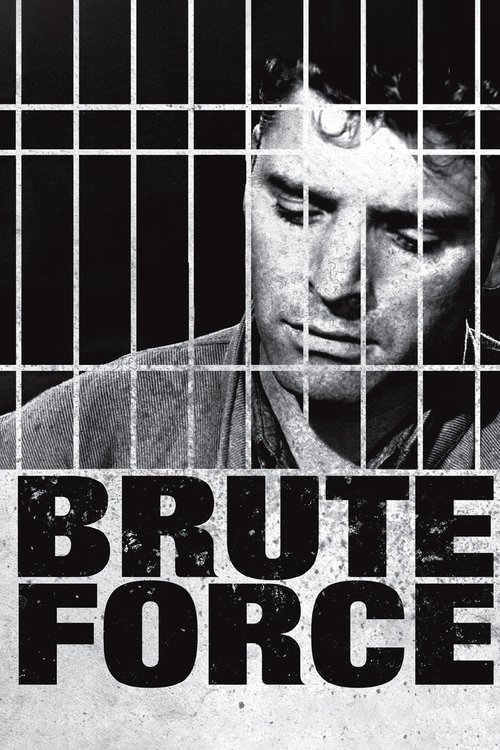
Brute Force
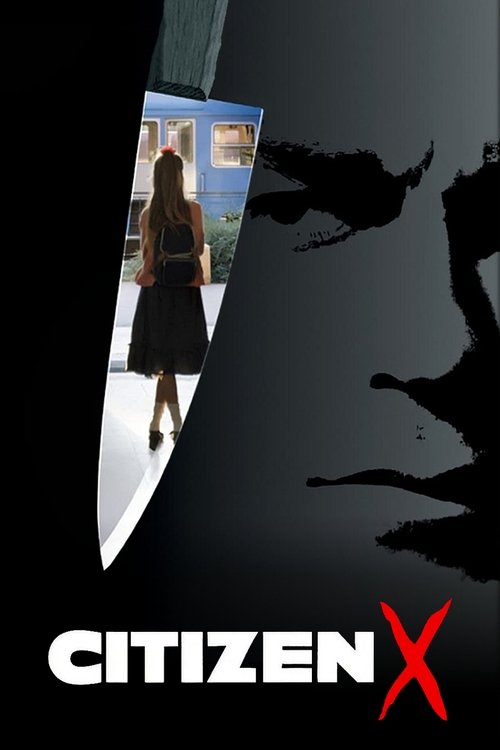
Citizen X
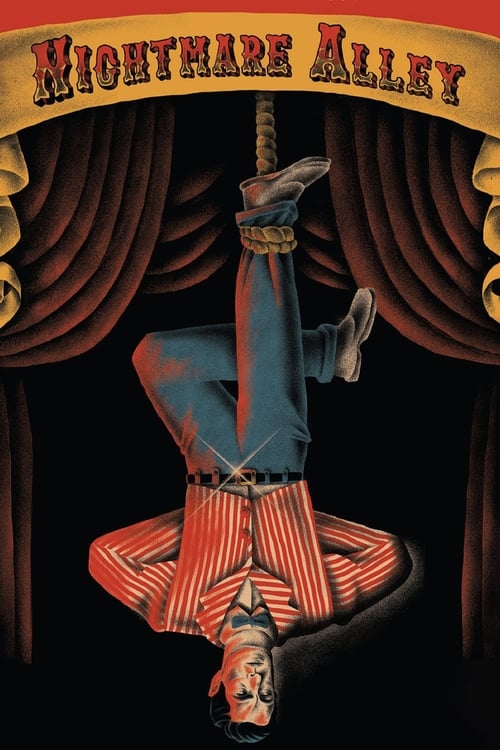
Nightmare Alley
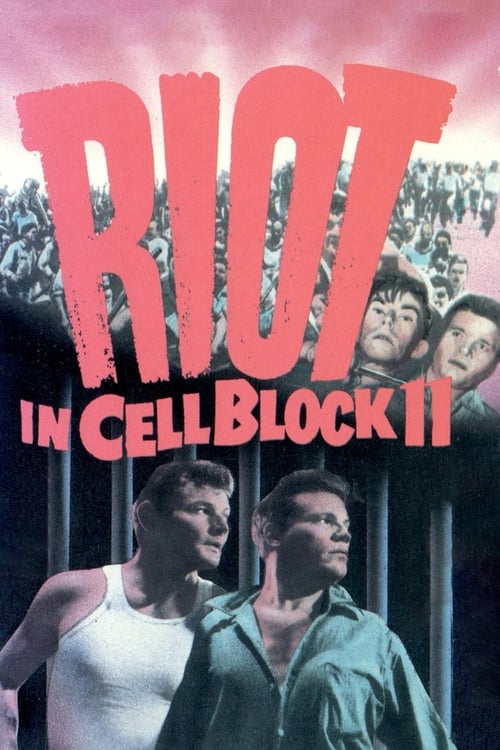
Riot in Cell Block 11
The Rainmaker
King Ivory
Naked Lunch
Ministry of Fear
Beyond a Reasonable Doubt
Michael Clayton

The Parts You Lose
Cry of the City
The Infiltrator
Traitor
Stillwater
The File on Thelma Jordon
The Pelican Brief
The Informer
F.I.S.T.
The Blue Gardenia

Kafka

The Marsh King's Daughter
The Seven-Ups
The Sense of an Ending
Red Corner
Mr. K

Crimes of Passion

Under the Silver Lake

Disclosure
All the Devils Are Here
Disgrace
Dead Man Down

Islands
My Son, My Son, What Have Ye Done
The Limits of Control
Black Site
Winged Creatures
Rampage
The Quiller Memorandum
The Detective
The Caveman's Valentine
Brake
Feb 20, 1963
Sep 19, 2023
restored version, DVD and Blu-Ray premiere
© 2025-2026 MovieNight. All rights reserved.
Versus
Sign in to play →
Strictly Come Dancing: Anton's Truly, Madly, Strictly
2019

Amy Fisher: My Story
1992
Sign in to vote
Battle your watched movies head-to-head
Community Top Movies

Evil Dead II
1987 · 14 wins
The Dark Knight
2008 · 14 wins

Halloween
1978 · 13 wins
Final Destination
2000 · 12 wins

Halloween II
1981 · 11 wins
Trivia
Leaderboard →Playing as a guest — sign in to save your score and rank on the leaderboard.
Movie Trivia
Guess the movie from a clue — tagline, plot, cast and more. Pick from four posters.
What movie experience do you prefer?
What is your favorite movie genre?
Versus
Sign in to play →
Strictly Come Dancing: Anton's Truly, Madly, Strictly
2019
Amy Fisher: My Story
1992
Sign in to vote
Battle your watched movies head-to-head
Community Top Movies
Evil Dead II
1987 · 14 wins
The Dark Knight
2008 · 14 wins
Halloween
1978 · 13 wins
Final Destination
2000 · 12 wins
Halloween II
1981 · 11 wins
Trivia
Leaderboard →Playing as a guest — sign in to save your score and rank on the leaderboard.
Movie Trivia
Guess the movie from a clue — tagline, plot, cast and more. Pick from four posters.
What movie experience do you prefer?
What is your favorite movie genre?
We use essential cookies to run MovieNight, plus analytics (Google Analytics) and advertising (Google AdSense) cookies. By continuing to browse, you agree to this — or click No and we won't. See our Terms & Privacy Policy to learn more.