
Get the MovieNight app
Add it to your home screen — faster & full screen
Get the MovieNight app
Add it to your home screen — faster & full screen
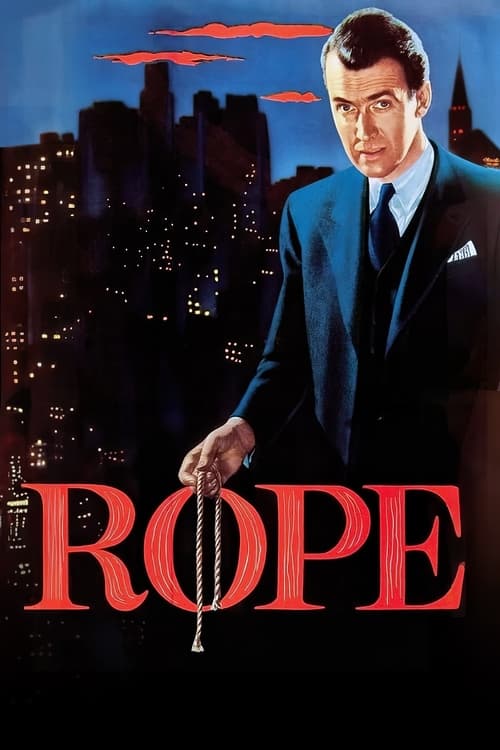
Not part of a collection.
It begins with a shriek...it ends with a shot! From beginning to end, nothing ever held you like Alfred Hitchcock's ROPE!
Two young men attempt to prove they committed the perfect murder by hosting a dinner party for the family of a classmate they just strangled to death.
Martin Oaks
Jun 20, 2025 · via TMDB
**Inventing a Style** Hitchcock established himself as one of the great masters of world cinema, whose technique has significantly influenced contemporary filmmakers such as Claude Chabrol, François Truffaut, and Brian De Palma. His prolific film production was combined with the editing of fantasy novels, television productions, and suspense stories. He was deeply concerned with the manner of storytelling and how to define the narrative style. His nature as an experimenter and inventor of forms led him to exploit the possibilities of the medium like few others, achieving true artistic creation. From this bold experimentation, Rope was born, a brilliant exercise in psychological tension that caused him no small amount of headaches, as it was conceived entirely as a single sequence shot. After completing filming and editing, the filmmaker himself ended up so fed up with the technique used that he went so far as to dismiss the film as a minor work in his career. Fortunately, he could not have been more mistaken. Rope is, in fact, a fascinating and disturbing psychological study that delves into the minds of two upper-class university students, Brandon Shaw and Philip Morgan, and the complex motivations that drive them to commit a supposedly perfect murder. The drama unfolds practically in real time, intensifying the claustrophobic feel of the setting. Brandon is the dominant figure: a deeply narcissistic individual who believes himself to be above moral and legal standards. His primary motivation is the assertion of a supposed "intellectual superiority." He views the crime as an artistic act inspired by Nietzschean theories of the "superman," misinterpreted and taken to a perverse extreme. Philip, for his part, is a more passive accomplice, yet he adheres to the idea to be part of an act that distinguishes him from ordinary people. The relationship between the two is clearly dysfunctional and possesses a sadomasochistic dynamic. Brandon exerts absolute control over Philip, who is weaker and prone to anxiety. While Philip is tormented by guilt and fear, Brandon enjoys manipulating him and observing his suffering. This mutual dependency, where one wields power and the other accepts it reluctantly, is the central pillar of their shared pathology. The rope, serving as the murder weapon and container for the body, is also a metaphor for the suffocating bonds that unite them. Although never explicitly stated due to the restrictions of the era, the film is imbued with a strong homosexual subtext. The intimate nature of their relationship, their life together in the apartment, and the intensity of their interactions suggest a bond that goes beyond platonic friendship. The crime can be interpreted, in part, as an act of transgression and a manifestation of their social isolation in a world that does not accept their nature. Both demonstrate a disturbing disregard for human life. For Brandon, the murder is an intellectual experiment; for Philip, the dehumanization of the victim allows him to rationalize the act and endure the guilt. The coldness with which they conceal the body reflects their total detachment from empathy. The arrival of Rupert Cadell—the young men's former professor, invited to a toast alongside the victim's family so that the murderers can secretly rejoice—is the crucial catalyst. Rupert is the intellectual idol Brandon attempts to emulate. As the professor begins to grow suspicious, he becomes the figure who confronts Brandon's vanity. His presence destabilizes Philip, exacerbating his anxiety to the point of collapse, which ultimately unmasks the crime. Rupert embodies conscience and reason against the irrational darkness of the young men. The single sequence shot technique forced unusual working dynamics for the period. The actors' positions were marked with colored chalk on the floor so that everyone knew where to stand. Everything had to be perfect on the first take, something that proved frustrating for a perfectionist like Hitchcock. In the end, the camera moves fluidly through the apartment, revealing raw nerves and mounting suspicions. Every movement and every silence is meticulously orchestrated to relentlessly heighten the tension. There is no escape for the viewer: one is trapped in the same room as the protagonists, sharing their very oppression.

griggs79
Dec 2, 2024 · via TMDB
_Rope_ is often praised for its technical ambition but falls flat in genuine suspense. The single-take gimmick overshadows the storytelling, leaving it feeling more like a stage play trapped in a cinematic format. Jimmy Stewart’s earnest charm feels misplaced here; his usual gravitas is oddly muted, making his presence more distracting than commanding. John Dall is the real standout, injecting a sinister flair into an otherwise tepid cast. The much-lauded homosexual subtext can’t compensate for the lack of tension or stakes. A fascinating experiment, but certainly not Hitchcock at his best.

James
Oct 20, 2023 · via TMDB
**It ends with a shot** Like no film ever did that.
James
Oct 20, 2023 · via TMDB
Somebody should have stopped Hitchcock from all this innovating business…
CinemaSerf
Jul 9, 2022 · via TMDB
Now I may be completely off beam here, but there is something ever so slightly homo-erotic about the relationship between John Dall ("Brandon") and Farley Granger ("Philip") in this rather clunky murder tale that is less of a mystery and more of a bragging exercise. The two, having murdered their college friend "David" invite some folks round for a dinner party that shows the pair - especially Dall - as obnoxious men with a profoundly mis-placed superiority complex. As their odiousness is enhanced by over-confidence and drink, their former school master "Rupert" (Jimmy Stewart) starts to suspect that there is more to the absence of "David" (the more suspicious because his father, Sir Cedric Hardwicke has come to the supper) than meets the eye; and soon he begins to put two and two together. I found the long takes helped build the tension quite effectively, but the dialogue was relentless and the fine line between characterisation and irritation - for me, anyway, was well and truly crossed. If Dall's purpose was to alienate the room and the audience, then he succeeded spectacularly - and it says in the trailer - it's certainly not a film you will ever forget.

barrymost
Aug 25, 2020 · via TMDB
Rope was the first Alfred Hitchcock/James Stewart collaboration. They would go on to do "Rear Window", "The Man Who Knew Too Much", and finally, "Vertigo". This being the first, and also a kind of experimental film on Hitchcock's part, it is the weakest of the four. Shot as a play, mainly in one room, and with only a handful of cast members, the concept of how it was done is intriguing even today. Done in roughly a dozen takes, the only times that the camera ever cuts are when it closes in on someone's back and then angles around to the other side. That's the tell-tale sign of the only cuts in the entire film. John Dall's acting is commendable, in the part of the more ruthless killer, Brandon Shaw. He's a very cool character, and feels no guilt over the brutal murder he's just committed. James Stewart, great as he is, seemed a bit out of his element, as intellectual publisher Rupert Cadell. Stewart is always immensely enjoyable, and I have massive respect for his talent. However, he does appear somewhat uncomfortable with his part throughout the film. Another aspect that detracts from the tension is the opening scene of the murder taking place. After David Kentley is dead, he is placed in the wooden chest and the audience knows he's dead from scene 1. Had Hitchcock omitted the scene of the murder, the audience would no doubt be wondering "Is there really a body in that chest? Did they really do it? What's going on here?" And the red herrings in the film would only add to the suspense. As it is, we know from the start who's dead and who-done-it. That said, it's a decent movie, and certainly still worth the watch.
User reviews courtesy of TMDB.
 Amazon Video
 Apple TV Store
 Google Play Movies
 YouTube
 Fandango At Home
 YouTube TV
Amazon Video
Apple TV Store
Google Play Movies
YouTube
Fandango At Home
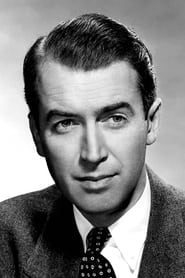
James Stewart
Rupert Cadell
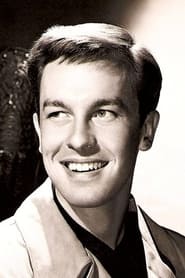
John Dall
Brandon Shaw
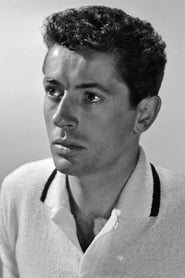
Farley Granger
Phillip Morgan
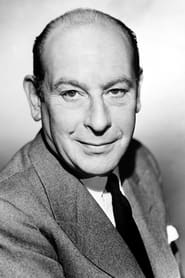
Cedric Hardwicke
Mr. Henry Kentley
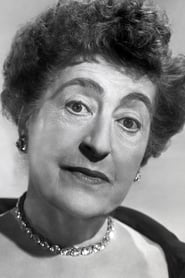
Constance Collier
Mrs. Anita Atwater

Douglas Dick
Kenneth Lawrence
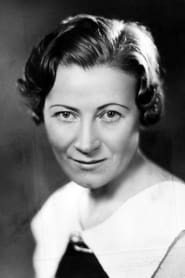
Edith Evanson
Mrs. Wilson

Dick Hogan
David Kentley

Joan Chandler
Janet Walker
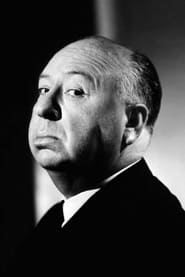
Alfred Hitchcock
Man Walking in Street (uncredited)

Adrian
Costume Design

Ben Hecht
Additional Writing
Alfred Hitchcock
Director
Alfred Hitchcock
Producer

Natalie Kalmus
Color Designer
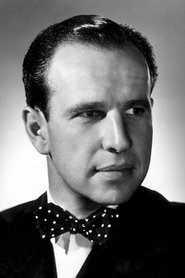
Hume Cronyn
Adaptation
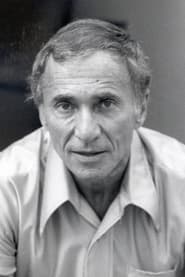
Arthur Laurents
Screenplay

Patrick Hamilton
Theatre Play

Delitto al luna park

Examinación cruzada
Silhouette
Romeo and Juliet
The Wars of the Roses
The Godfather

12 Angry Men

Saab Bahadar
Once Upon a Time in America
Once Upon a Time in the West
Memento
A Clockwork Orange

The Departed
Double Indemnity
Memories of Murder
The Sting

A Killing Affair

Alibi
Men of Tomorrow
Zmowa
Pinsiön parooni

Blondie's

Left Hand

The Big Con
To Kill a Mockingbird
The Sixth Sense
Blade Runner
Heat
Chinatown
Rebecca
Diabolique
The Third Man
A Beautiful Mind
On the Waterfront
Dog Day Afternoon
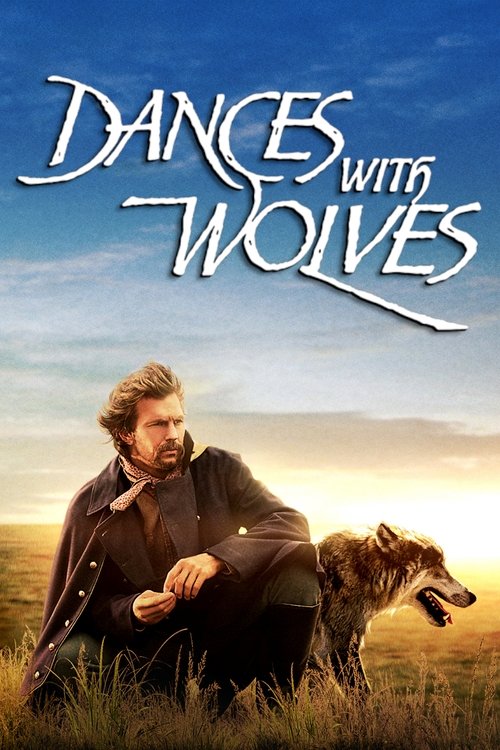
Dances with Wolves
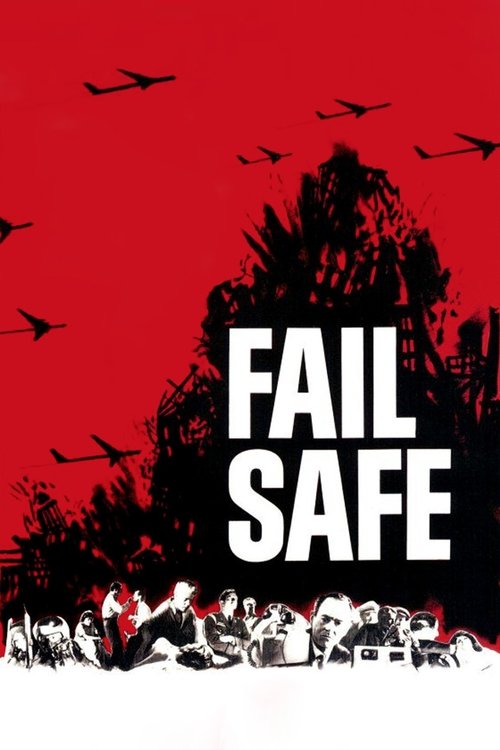
Fail Safe

Number One
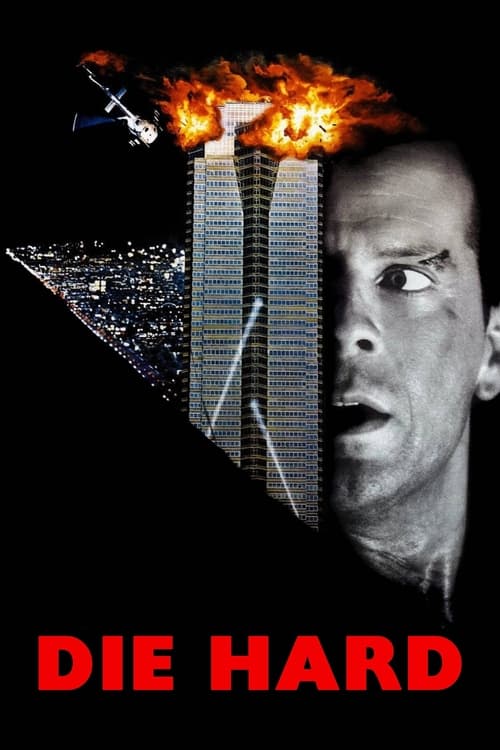
Die Hard
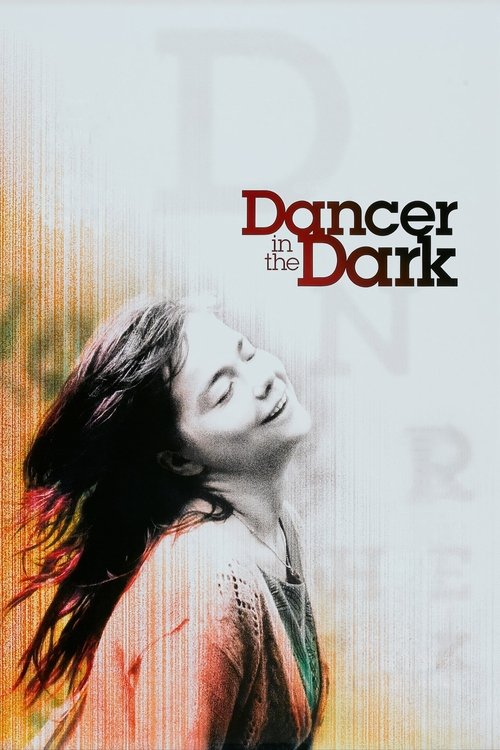
Dancer in the Dark
Freaks

Rio Bravo
The Bridge on the River Kwai
Mulholland Drive

Fanny and Alexander
Notorious
The Celebration
Who's Afraid of Virginia Woolf?
The Maltese Falcon
Jaws

A Time to Kill
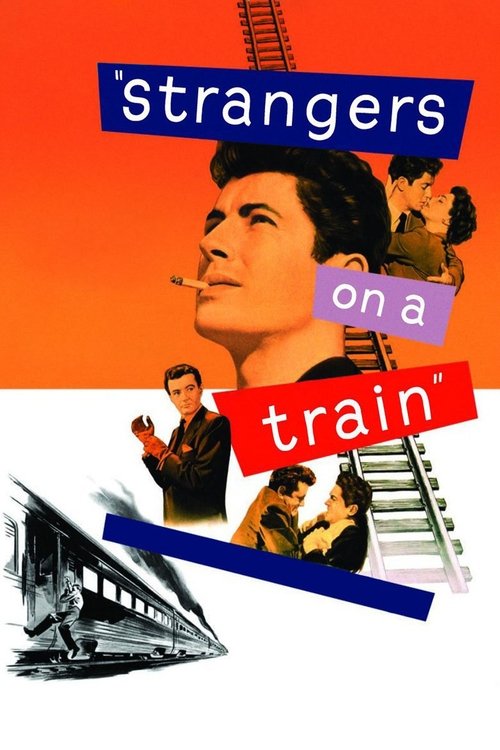
Strangers on a Train
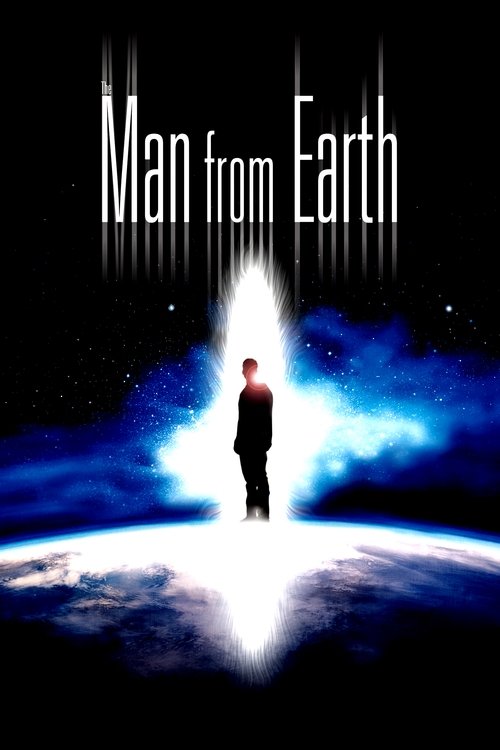
The Man from Earth
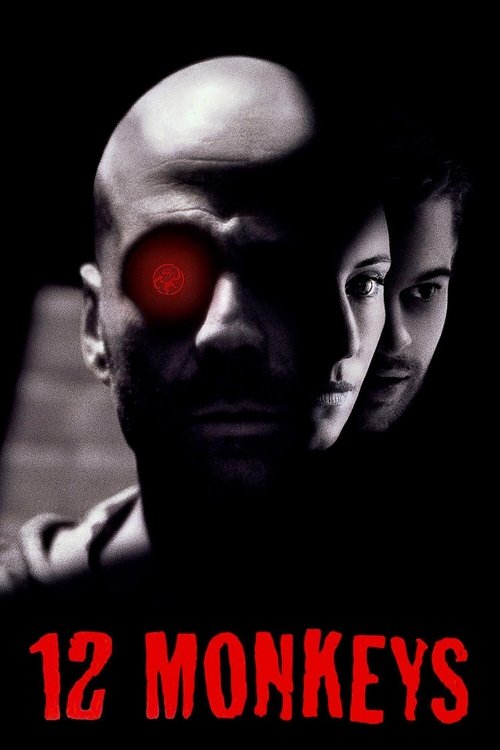
Twelve Monkeys
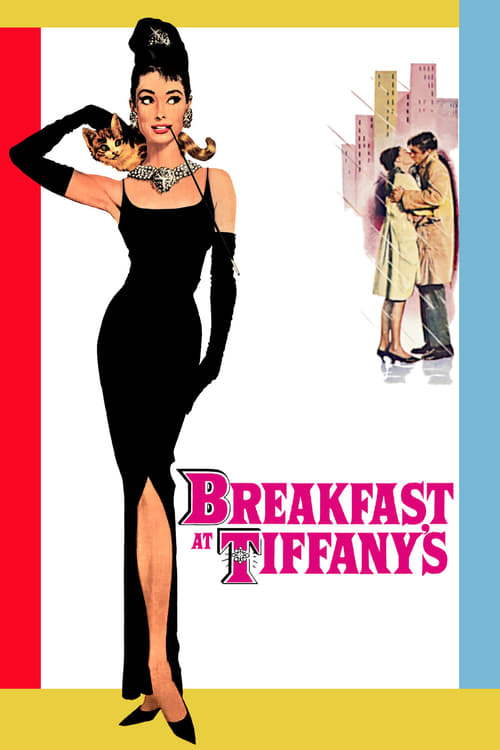
Breakfast at Tiffany's
The Big Sleep
A Short Film About Killing
Queen Bee
Police Story
Let the Right One In
True Romance

Spartacus

Dolls
Obsession

Serpico
Thesis
After Hours
Black Narcissus
Leave Her to Heaven
Running on Empty
The Fugitive
Lucky Number Slevin
Dirty Harry
Pandora's Box
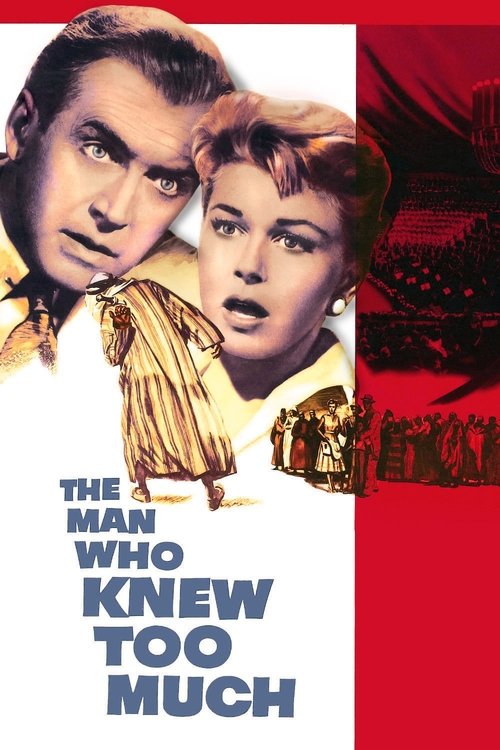
The Man Who Knew Too Much
The Life of David Gale
Sicario

Duel
It Happened in Broad Daylight
Trouble in Paradise
Boys Don't Cry
Meet Joe Black
The Piano
Minority Report
Eastern Promises
The African Queen
Cyrano de Bergerac
Dead Man

Blow-Up
A Man for All Seasons
The Ladykillers
The Letter
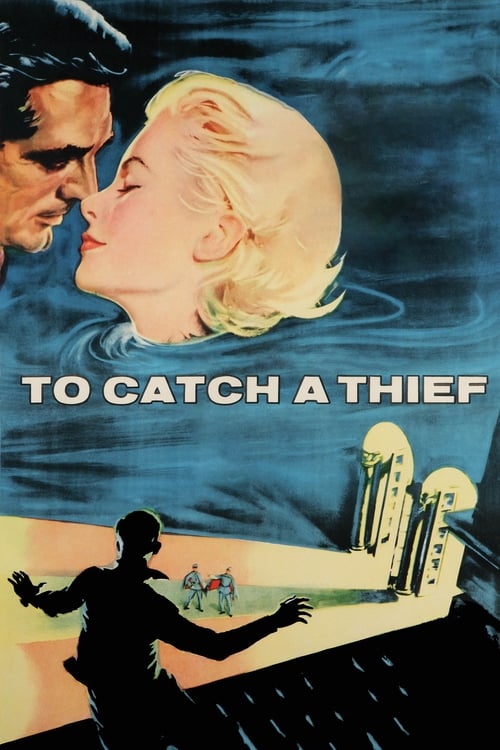
To Catch a Thief
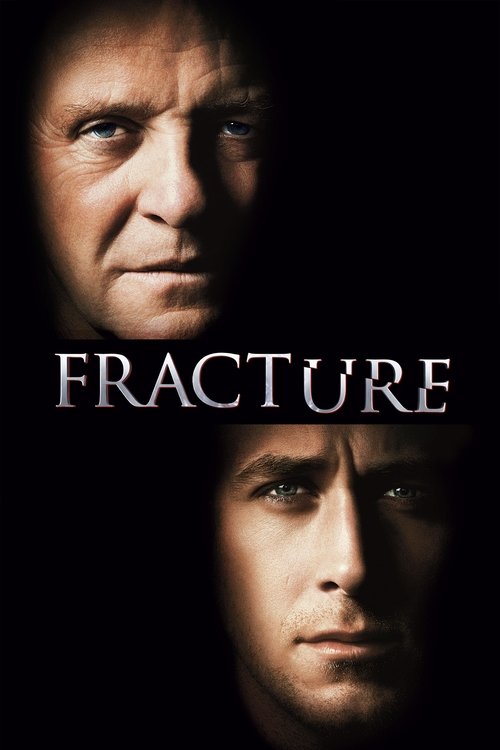
Fracture
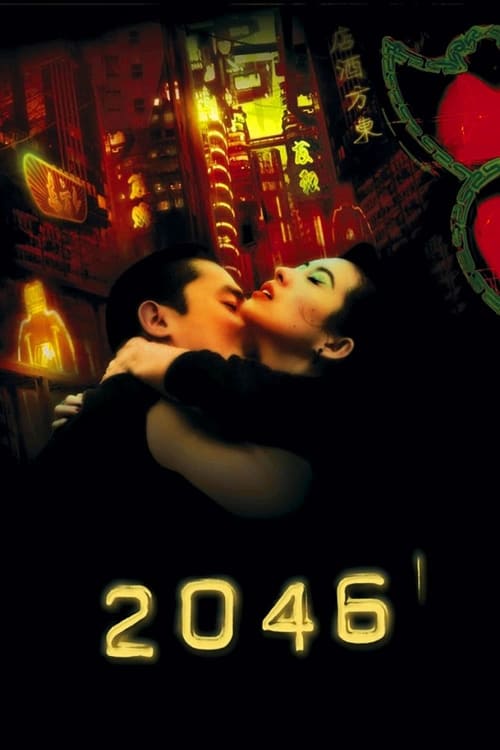
2046
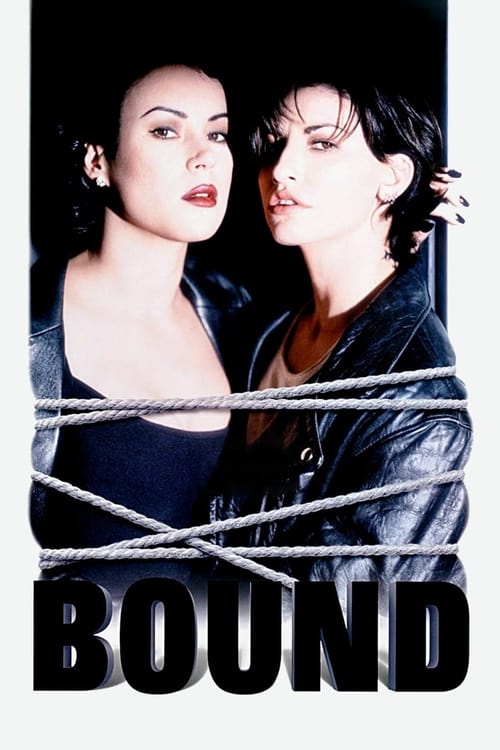
Bound
Blood Simple
Thief

Fist of Fury
Murder, My Sweet
K-PAX
Monster
The Talented Mr. Ripley

Beautiful Thing

Funny Girl
Kiss Me Deadly
An Inspector Calls
Boiling Point

Thomas vs. Thomas (A Sensational Theory Regarding an Insignificant Life in the Multiverse)

The Unknown Woman
Steel Magnolias

American Satan
Quills
Bullitt

Murder by Death
The China Syndrome
Suspicion
Marnie

Quo Vadis
Frenzy
Witness
Death Note
Julius Caesar
American Graffiti
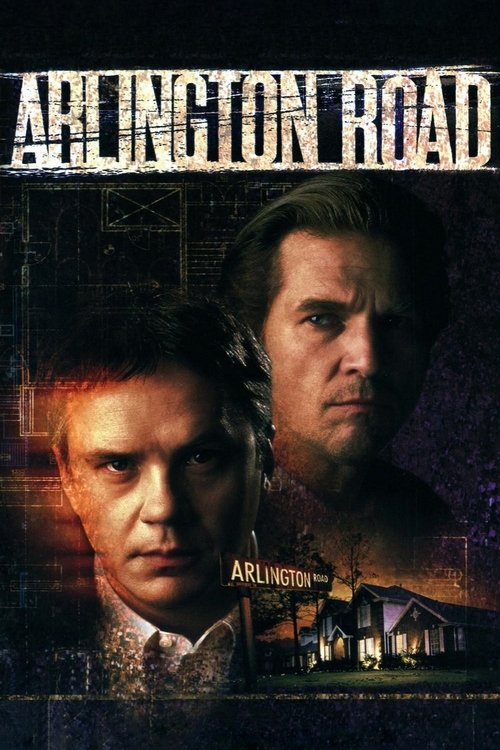
Arlington Road
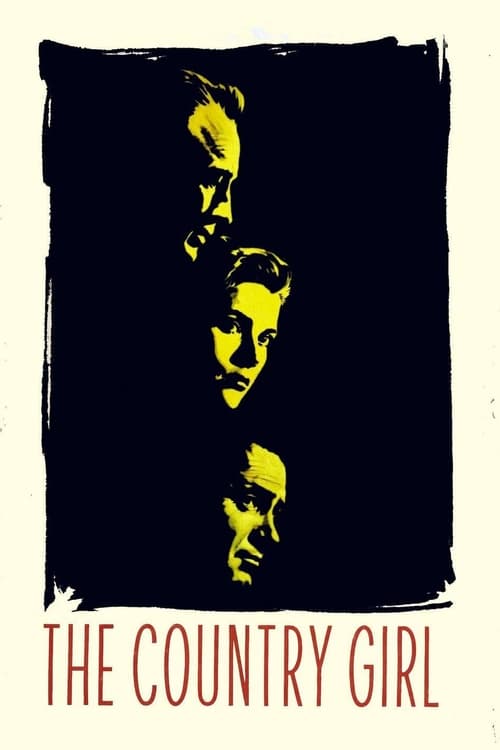
The Country Girl
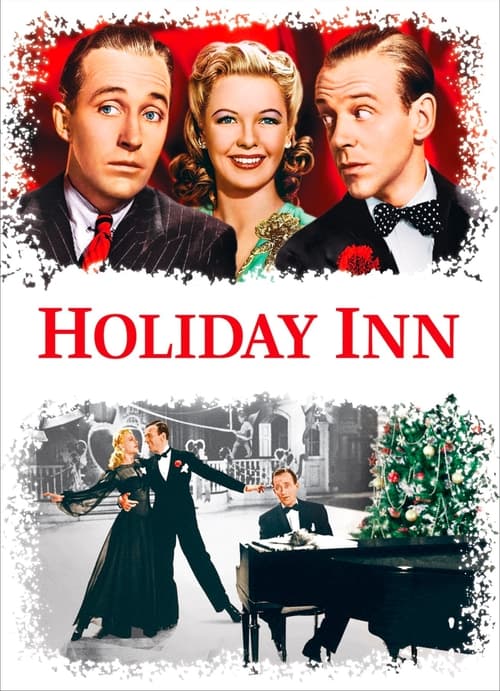
Holiday Inn
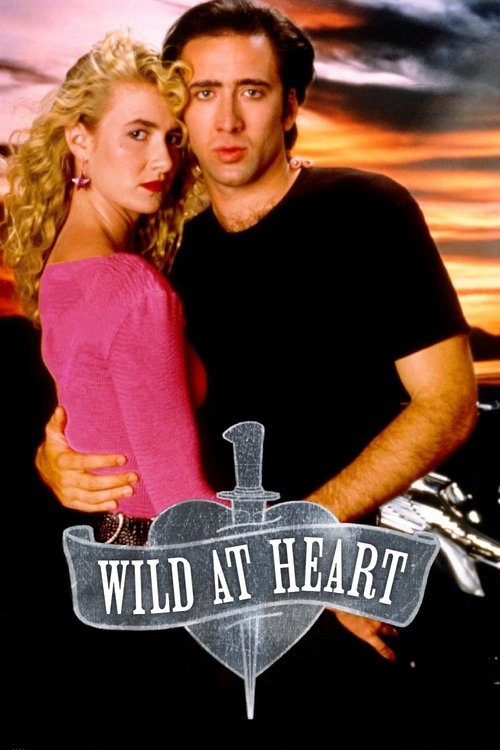
Wild at Heart
Meet Me in St. Louis
Sweet Sixteen

The Glenn Miller Story

Smuggler's Gold
Deserted at the Altar

The Prisoner

Gawaahi

Maryland
Ninth Life
Heavenly Creatures
Sunshine
Tsotsi

One Deadly Summer
Jacob the Liar
Breakdown

We Die Alone
The Pink Panther
Rent
Closer
Gosford Park
Brick

Battle of Britain

11:14
Tough Enough

Cop Land
Prospero's Books

The Good Son
Paid in Full
Beat Street

Reminiscence

Romeo + Juliet
Klute

Ladies of the Jury
Flawless

Signs
Chinese Coffee
Altered States
Henry: Portrait of a Serial Killer
Tristan & Isolde
Stir of Echoes
Private Number
Absolute Power
Farewell, My Lovely
Eye of the Needle
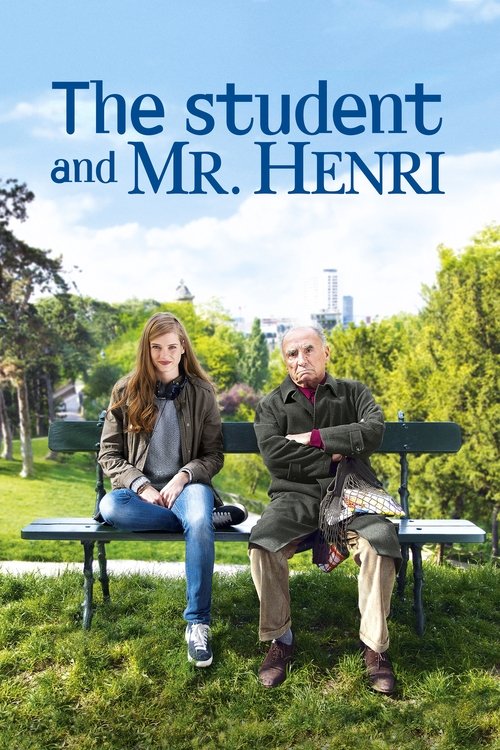
The Student and Mister Henri
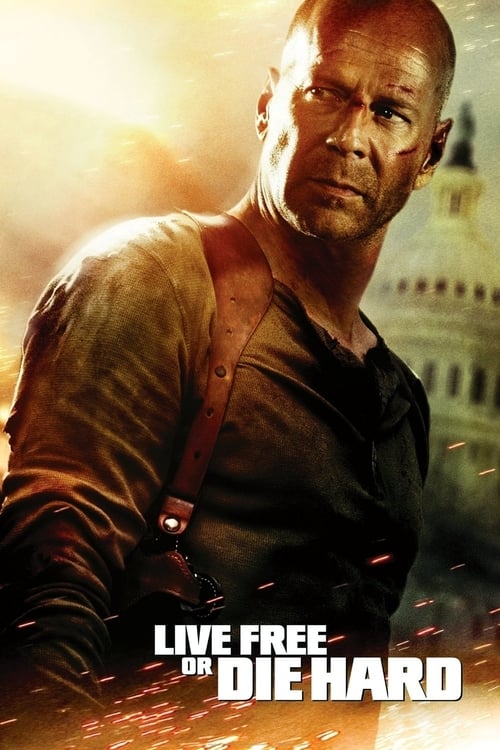
Live Free or Die Hard

Black Irish
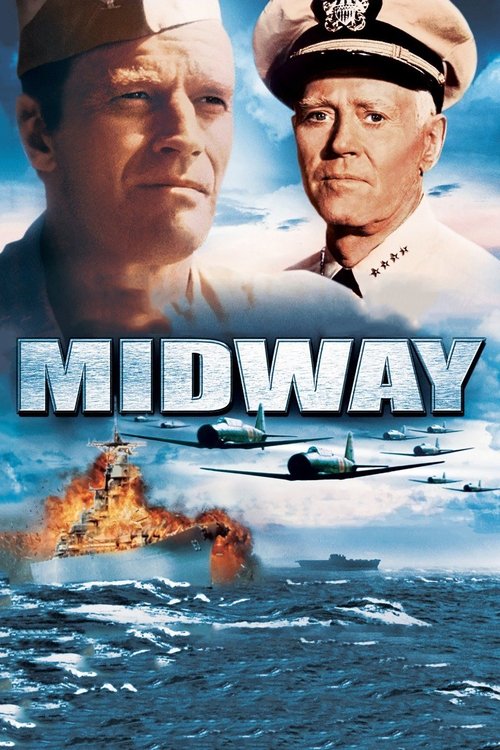
Midway
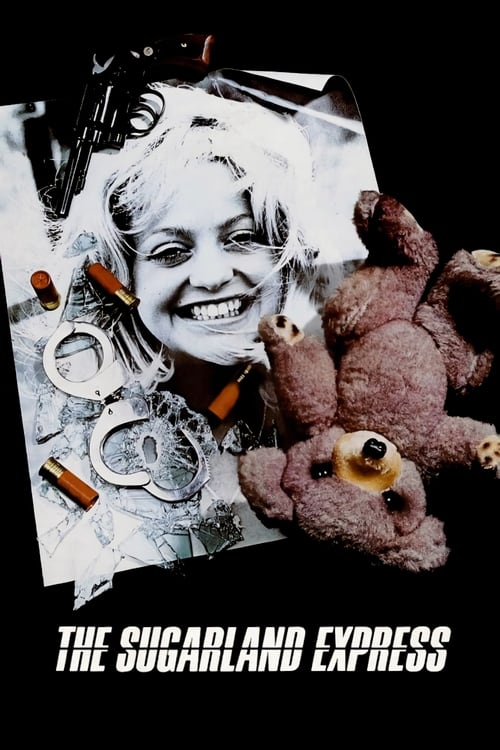
The Sugarland Express

Fermat's Room
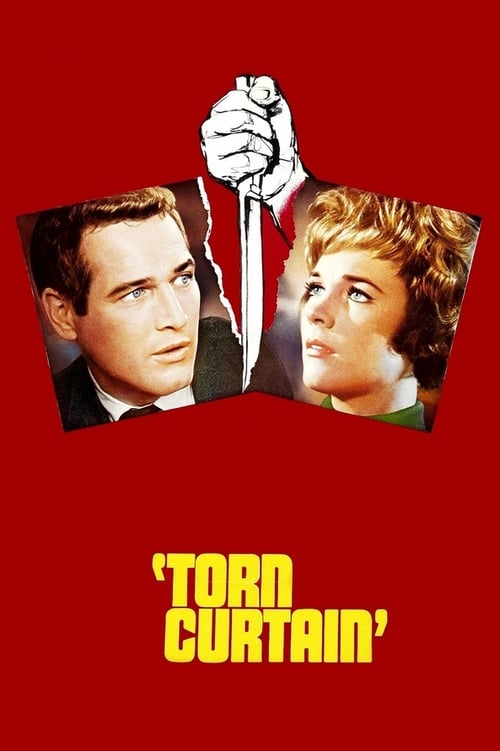
Torn Curtain
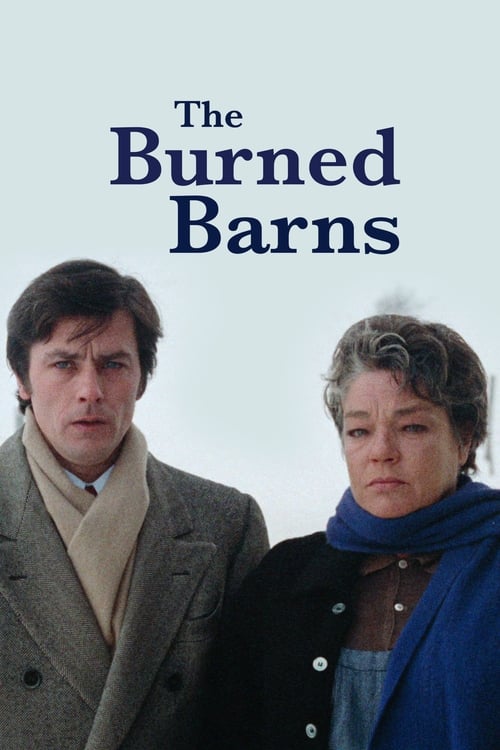
The Burned Barns

Intacto

Hart to Hart: Home Is Where the Hart Is

Dragged Across Concrete
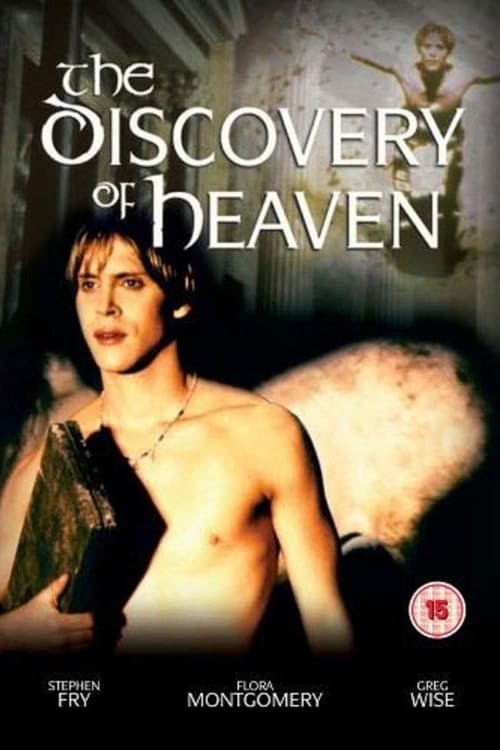
The Discovery of Heaven

Secret Window
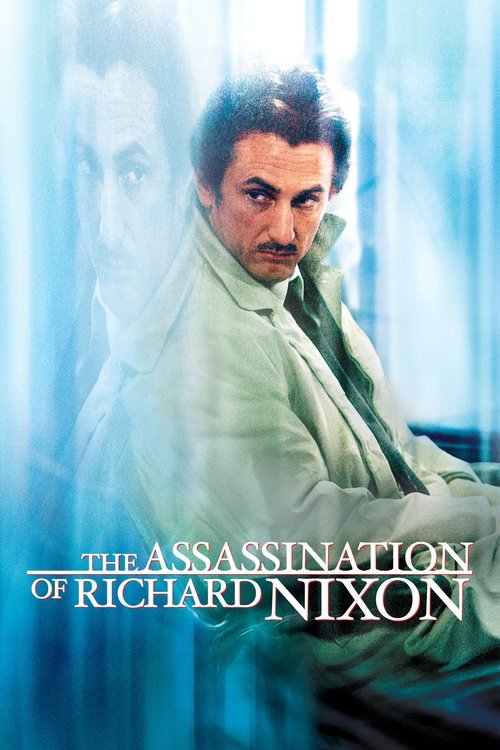
The Assassination of Richard Nixon
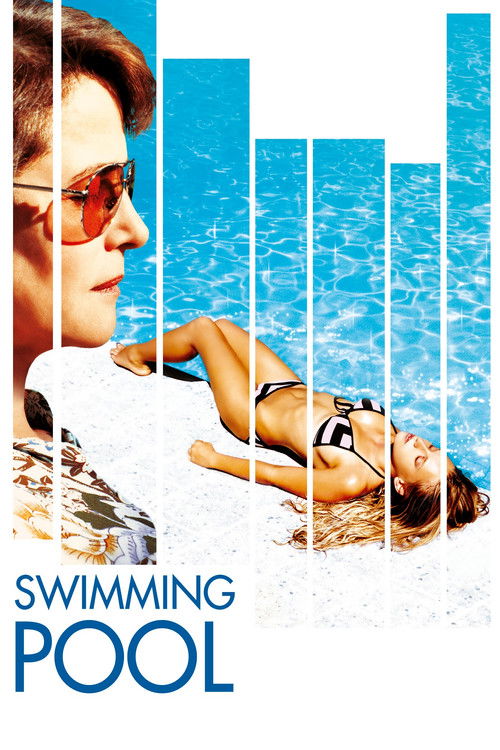
Swimming Pool
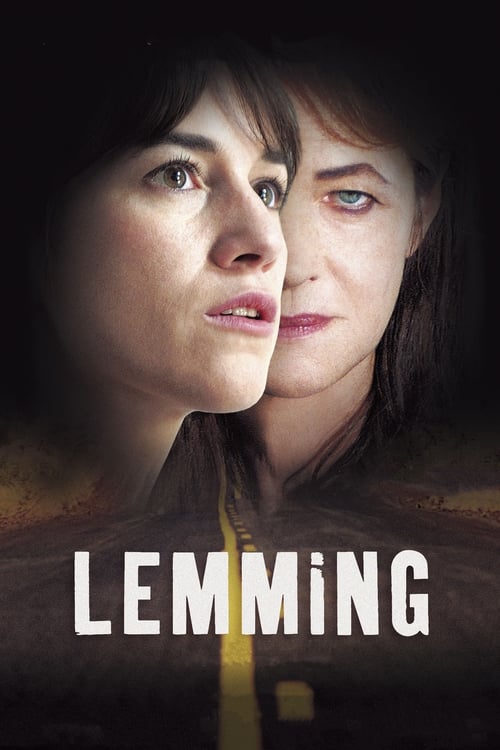
Lemming
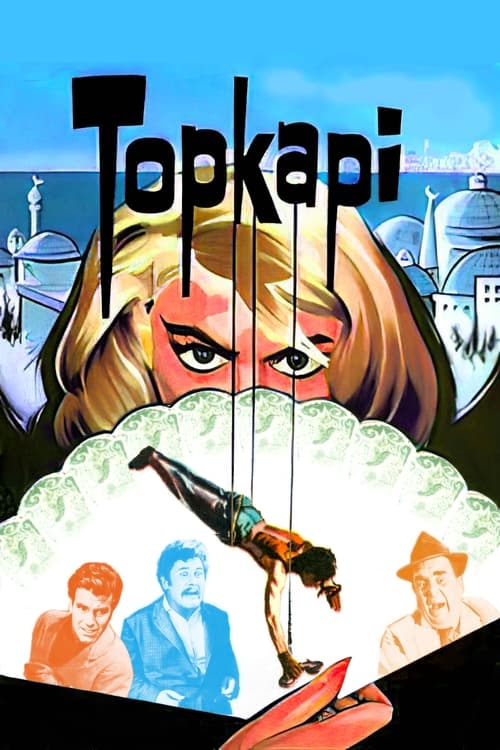
Topkapi

The Murder Room

Vortex of Love

All in Favor
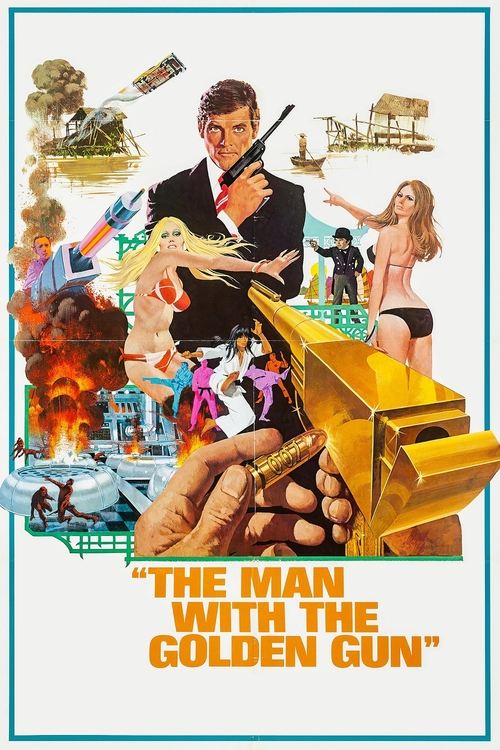
The Man with the Golden Gun
The Passenger
Things to Do in Denver When You're Dead
THX 1138
Big Bang Love, Juvenile A
Unhinged
Next Door
The General's Daughter
The Greatest Story Ever Told
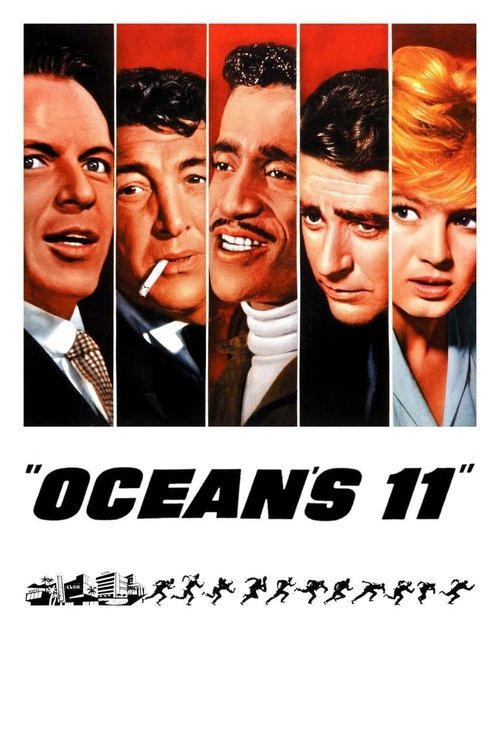
Ocean's Eleven
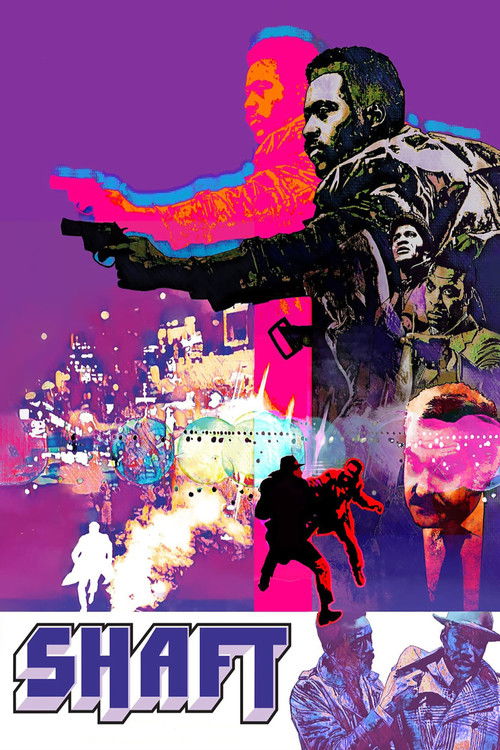
Shaft

Red Eye
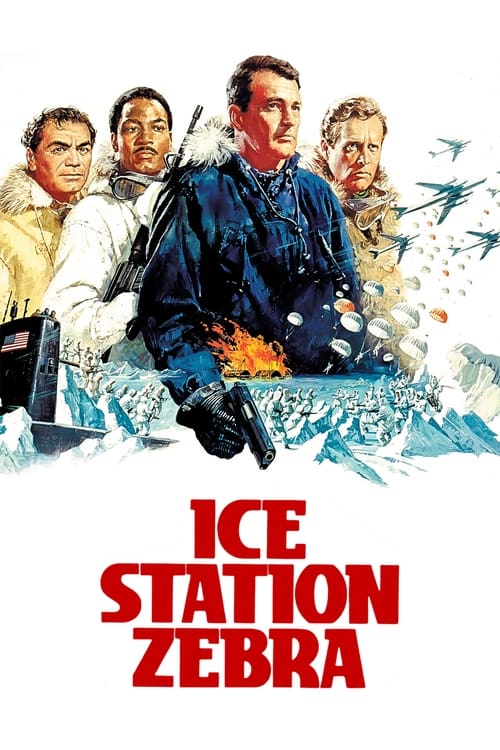
Ice Station Zebra
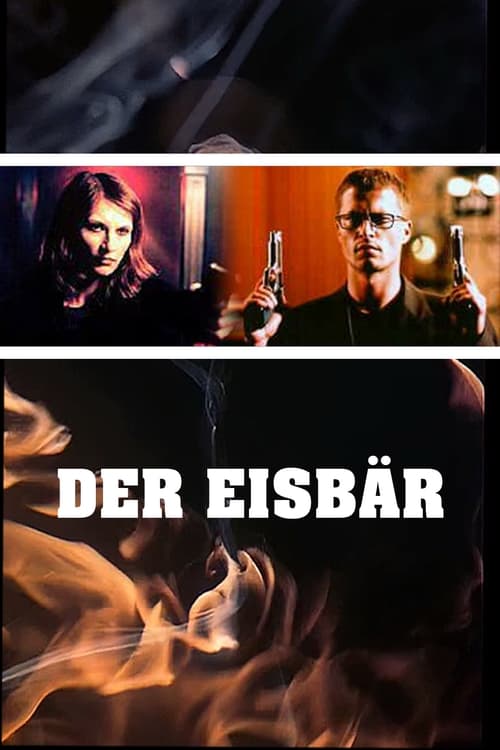
The Polar Bear
Game of Death
Murder in Monaco
Salò, or the 120 Days of Sodom
The Interpreter
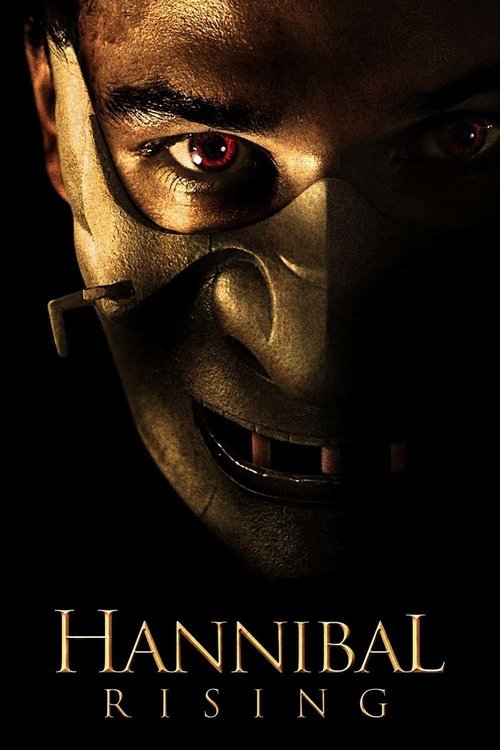
Hannibal Rising

Connection

Malice
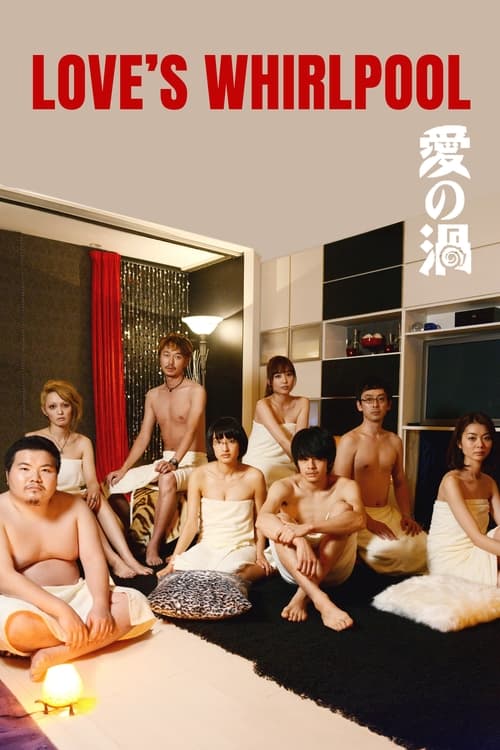
Love's Whirlpool
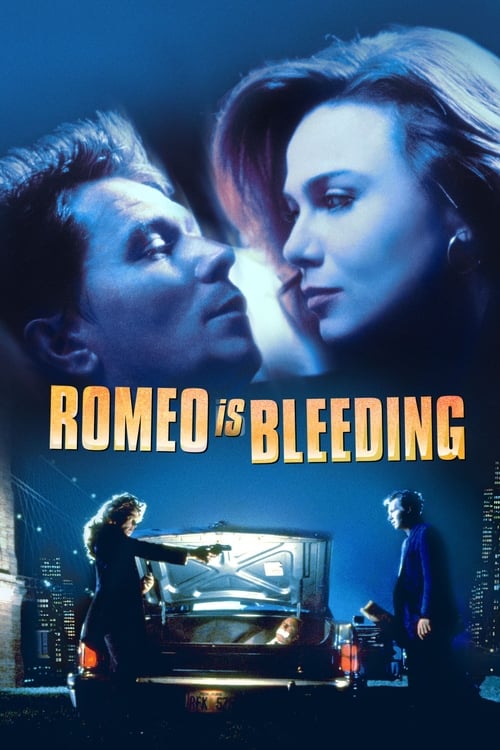
Romeo Is Bleeding
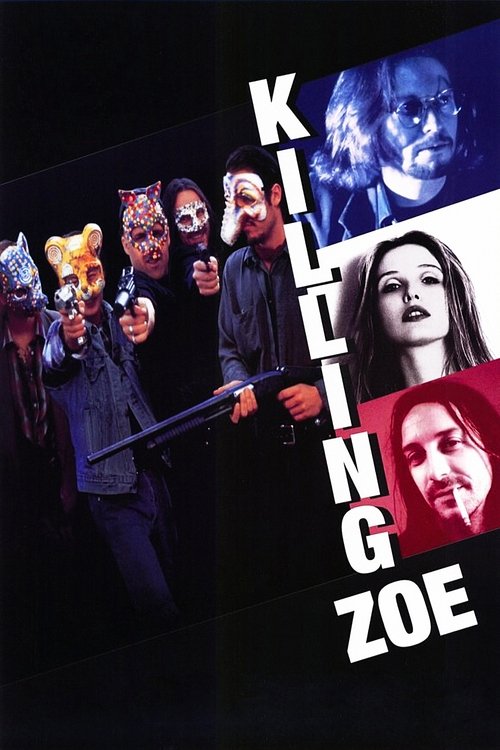
Killing Zoe
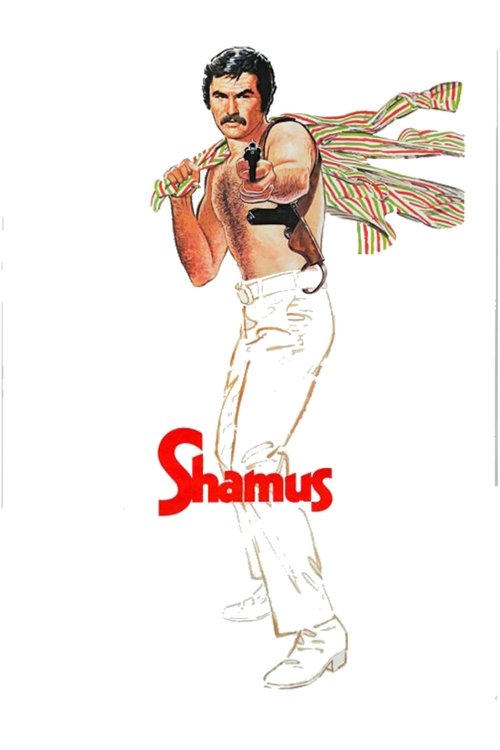
Shamus

Finder's Fee
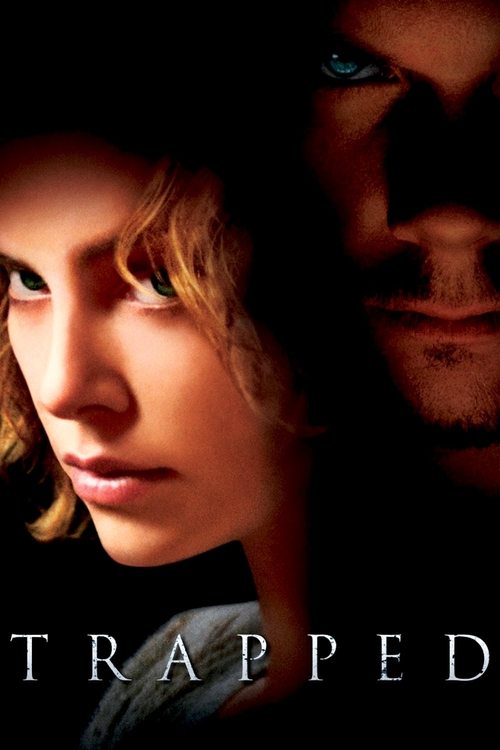
Trapped
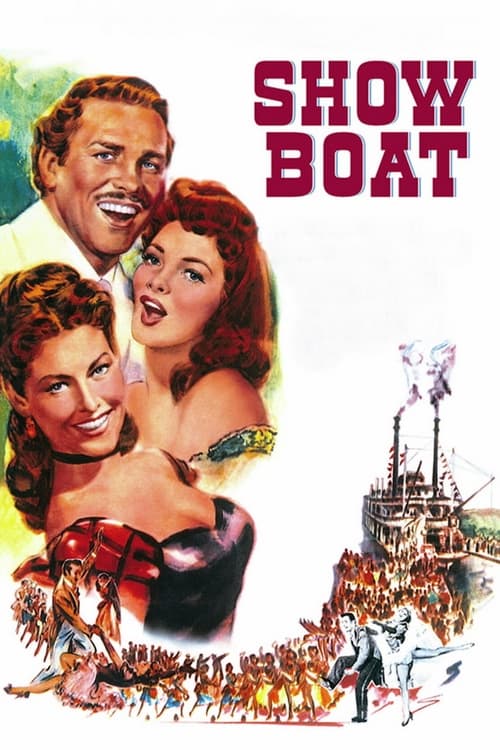
Show Boat
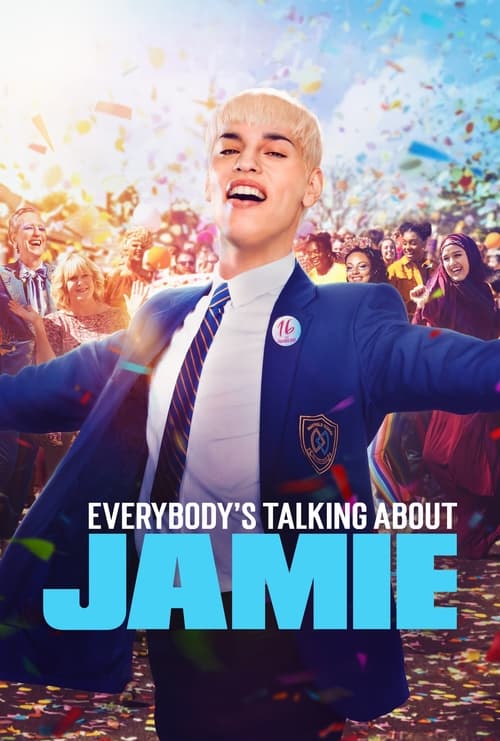
Everybody's Talking About Jamie
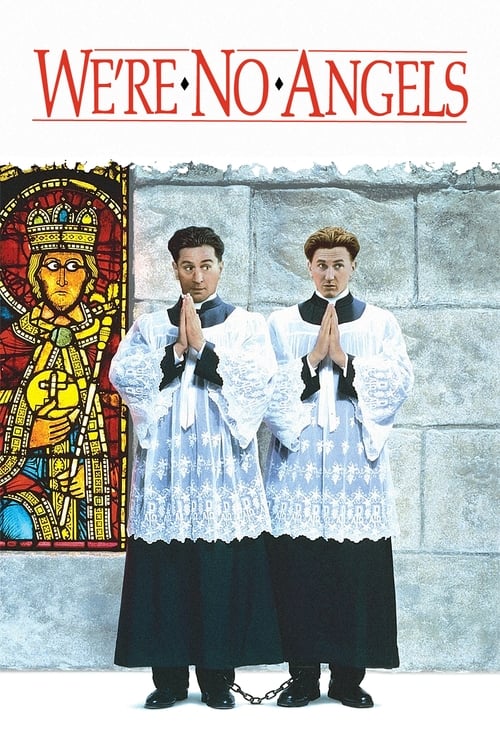
We're No Angels
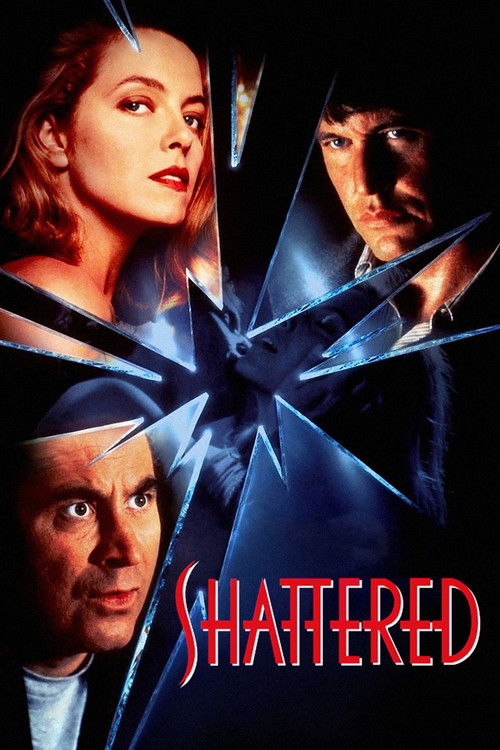
Shattered
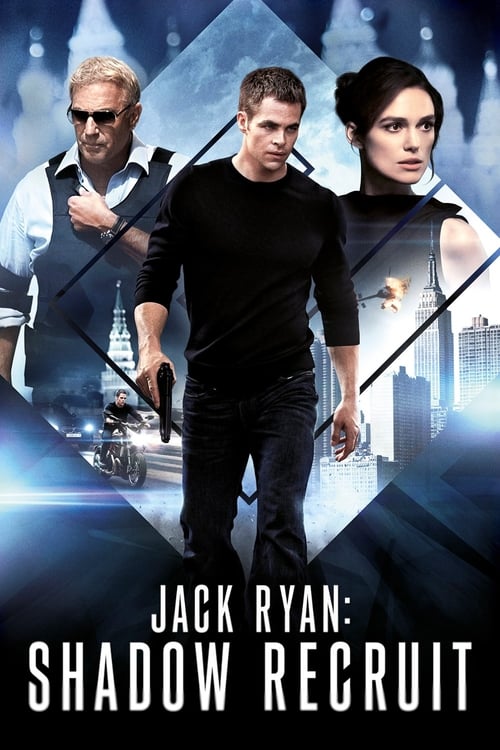
Jack Ryan: Shadow Recruit
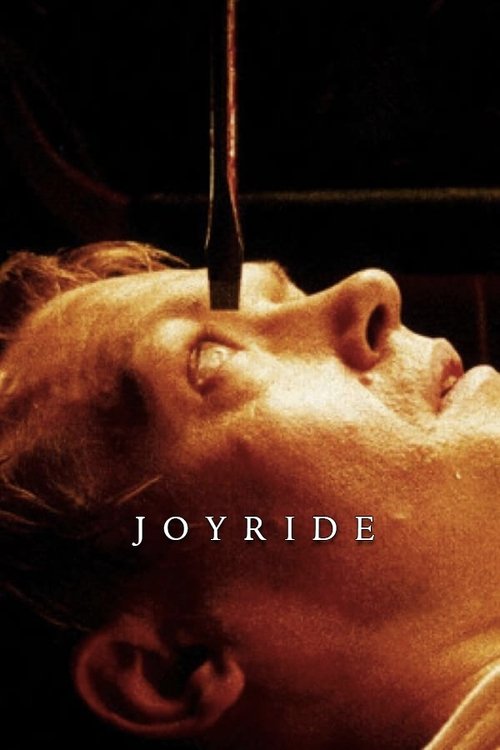
Joyride
Mala Noche
The Philadelphia Experiment

The Flower of Evil
Lady in White
A Free Soul
Ballad About a Trumpet and a Cloud
Nightwatch
Wonderland
Murder on the Orient Express
Lonely Hearts

The Life Before Her Eyes
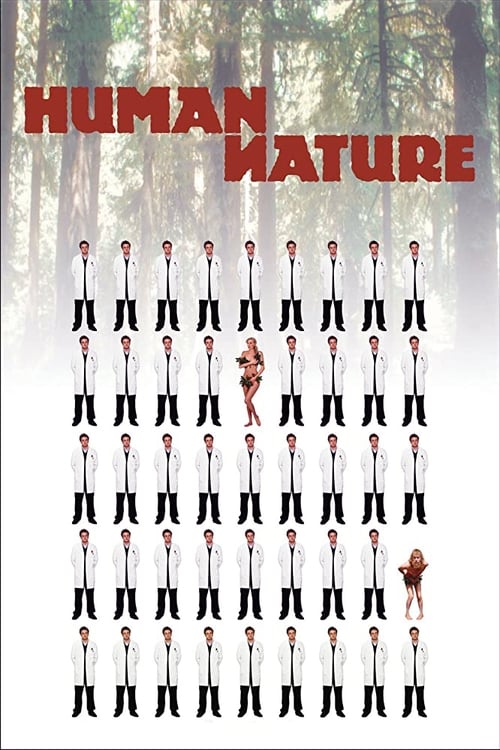
Human Nature

Donovan's Echo
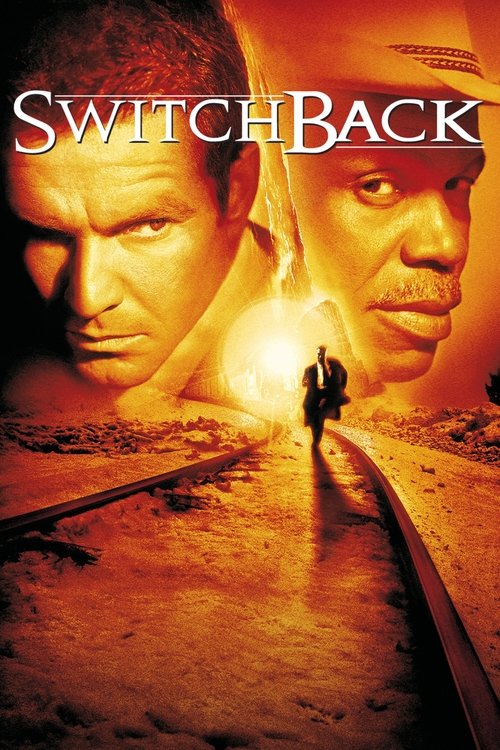
Switchback
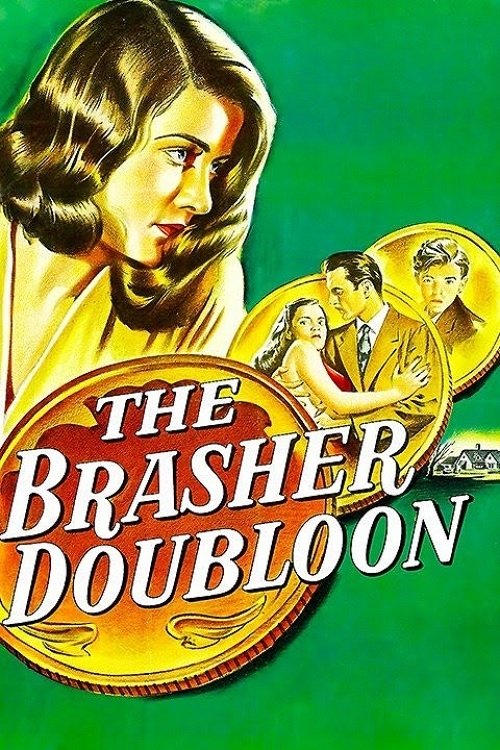
The Brasher Doubloon
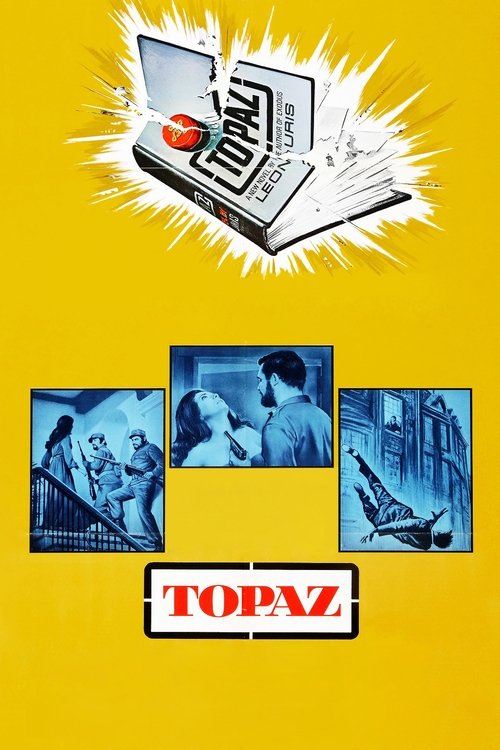
Topaz
Dancing at Lughnasa
Halloween H20: 20 Years Later
The Crooked Web
The Sinners

No Diamonds for Ursula

The Perfect Gentleman
The First Purge

Evil Nanny

Let Her Speak
Dům doni Bernardy
The Glass House
Death to Smoochy

Breathless

Murder in Three Acts

Righteous Kill
Jar City
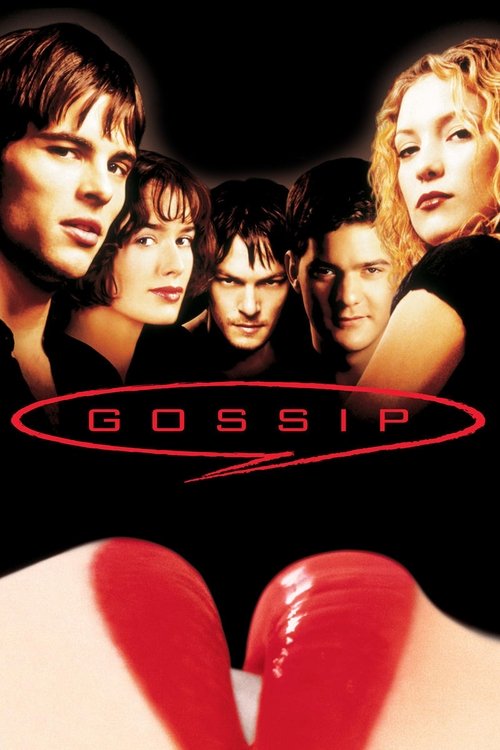
Gossip

Angela
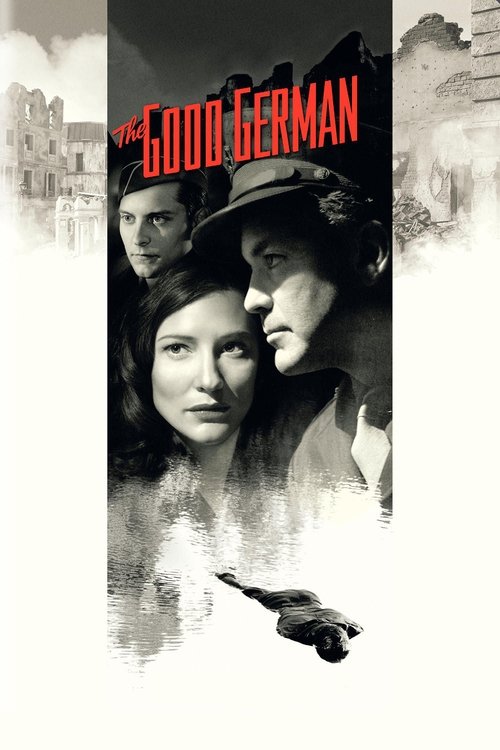
The Good German

Desert Saints
Der Tote am Strand

Massacre at Central High
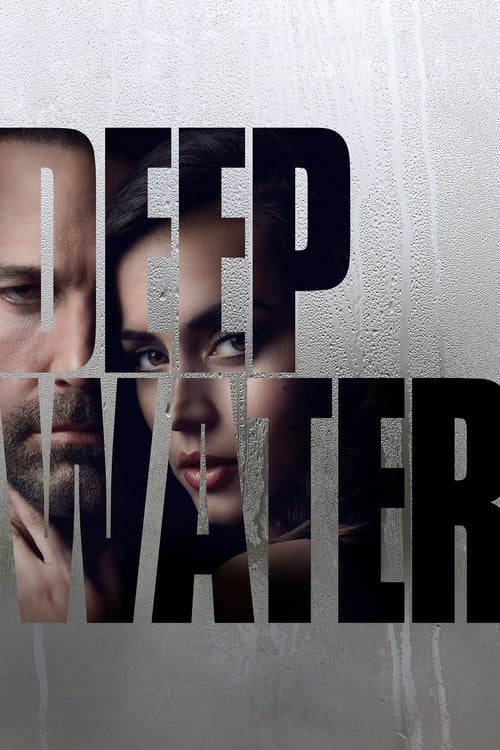
Deep Water

Domestic Disturbance
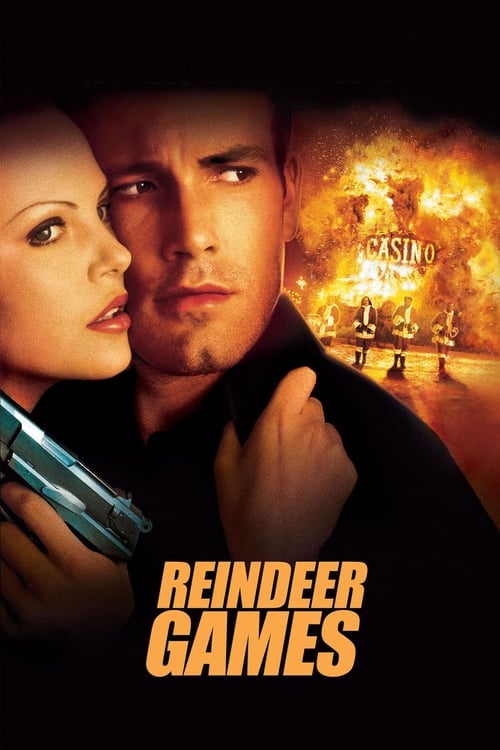
Reindeer Games
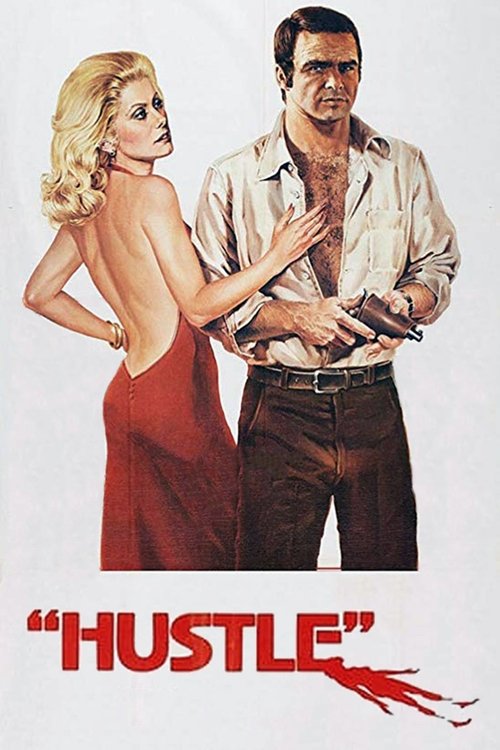
Hustle
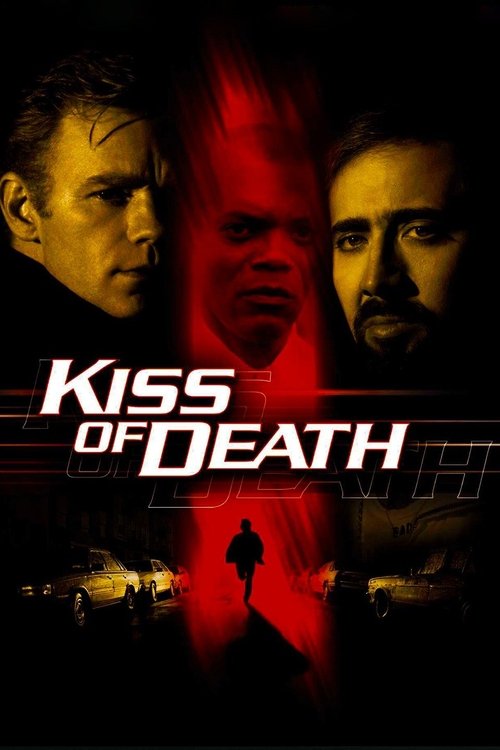
Kiss of Death

The Lost Samaritan
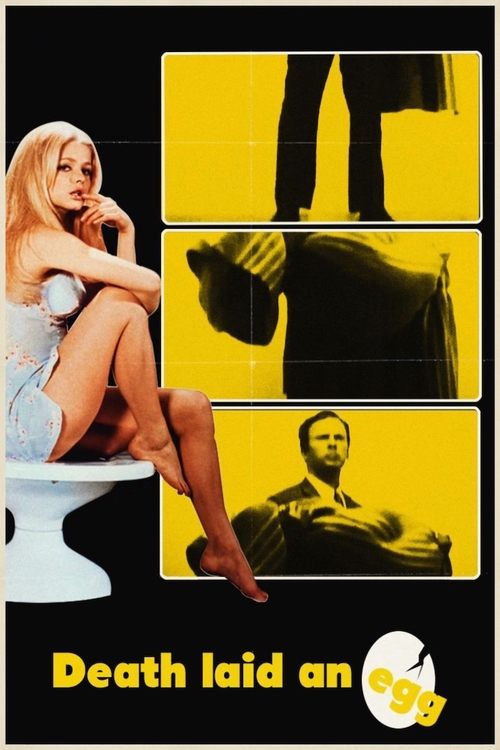
Death Laid an Egg

The Dark Hours

Cube Zero
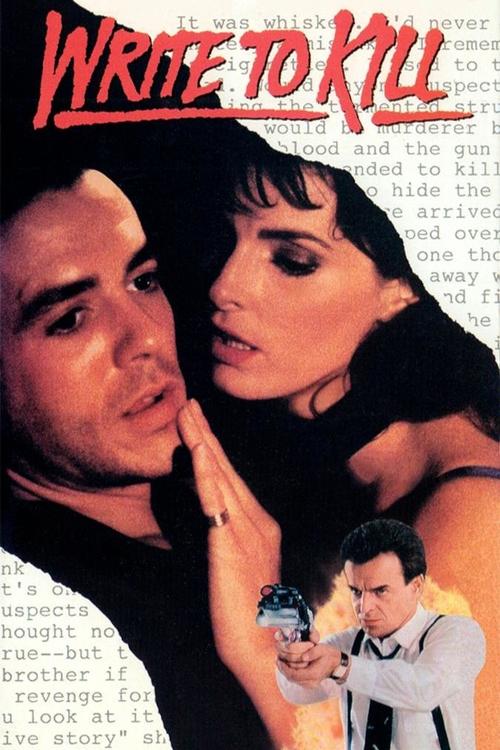
Write to Kill
Unforgettable

Secret of the Blue Room
Sliver
A Crime
9 Songs

Dead in 3 Days
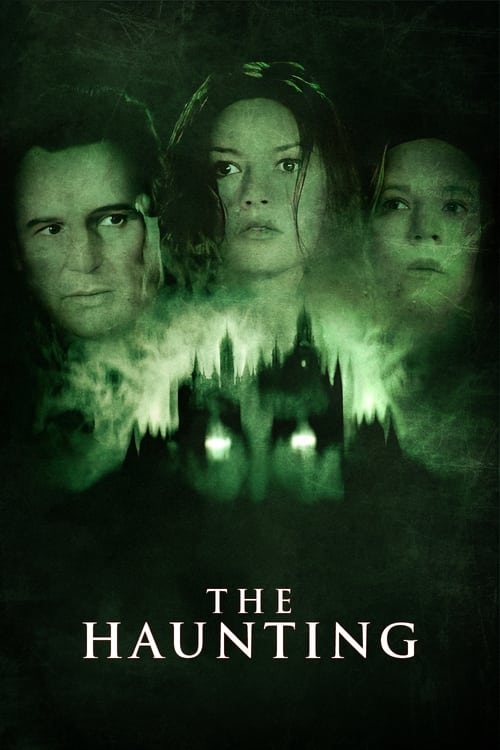
The Haunting
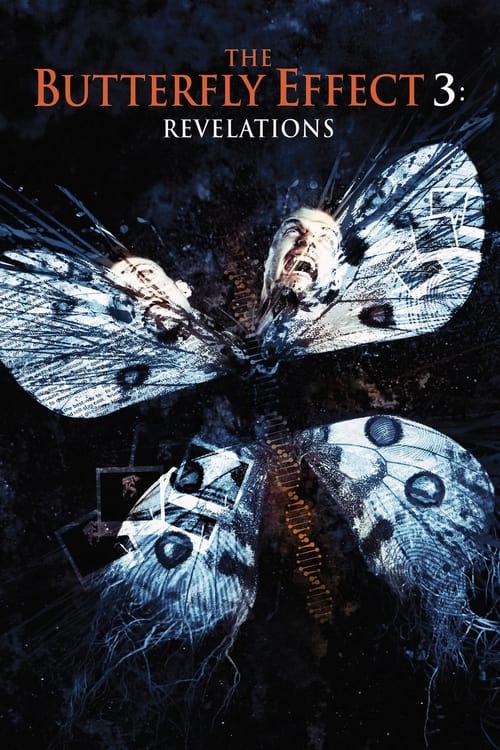
The Butterfly Effect 3: Revelations
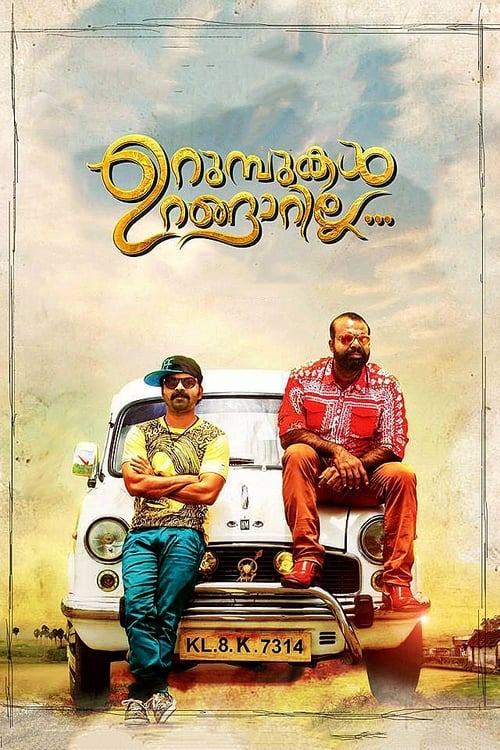
Urumbukal Urangarilla

Eating Cars

Liberty Stands Still

The Vallanzasca Band

Pig
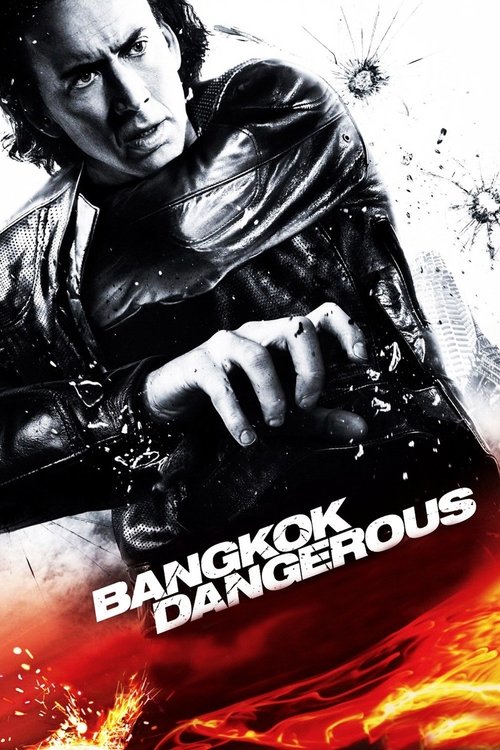
Bangkok Dangerous

The Walker

Resurrection
Macu, la mujer del policía
The Pool

Dying Breed

Don't Look Back
Escape from Uganda
Aileen Wuornos: American Boogeywoman
The Watcher

The Noah's Ark Principle
In the Cut

They
Body of Evidence

Black Eagle

Boxing Helena

The Hand of Now

The Sex Victims

Net Games

Walled In
November
Abandon
Poison Ivy 2: Lily
Moon of the Wolf

Vertigo for a Killer
Balearic Caper

Out

Blood Story

The Undressing

What Death Leaves Behind

The Hyena

The Killing Jar
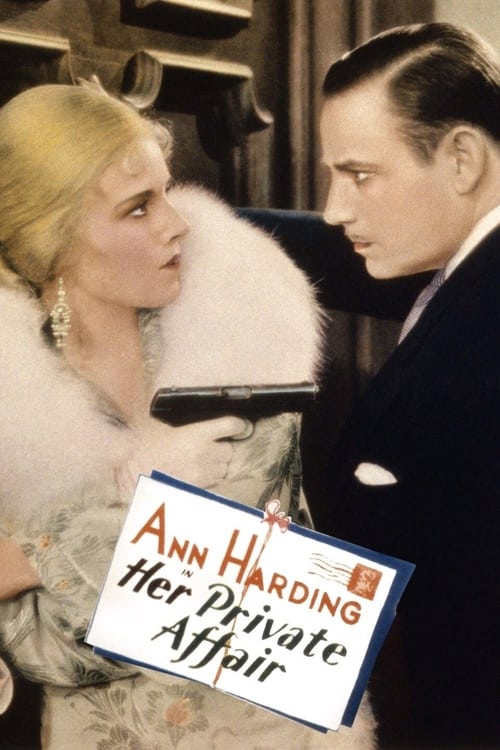
Her Private Affair
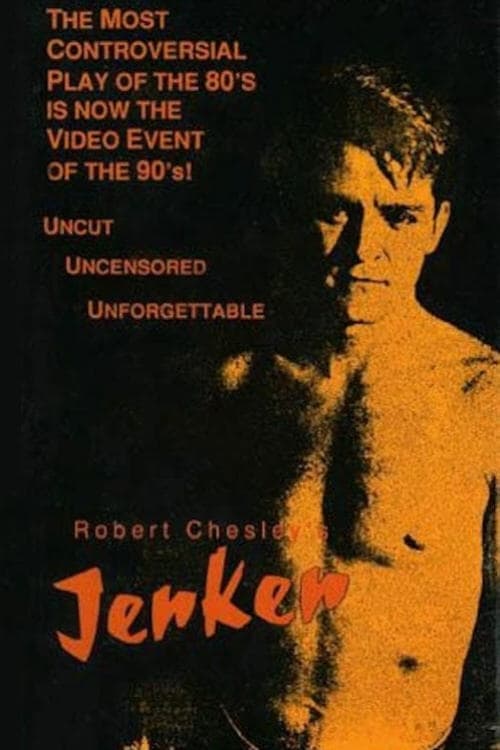
Jerker
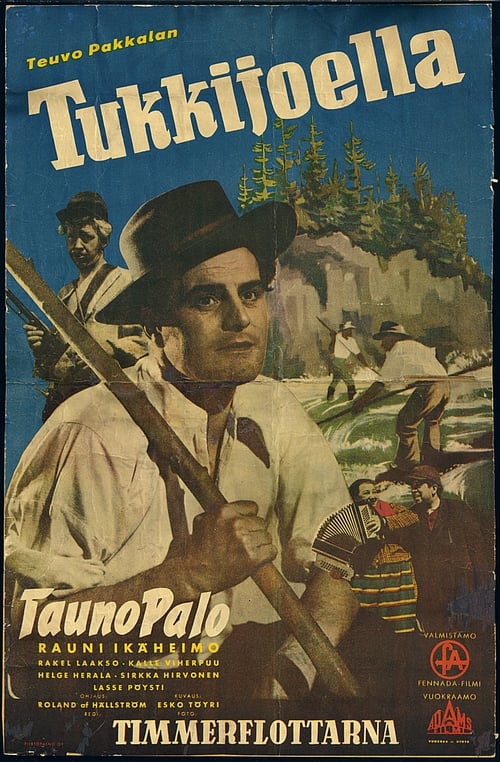
Tukkijoella

The Path of Totality

Dard Divorce
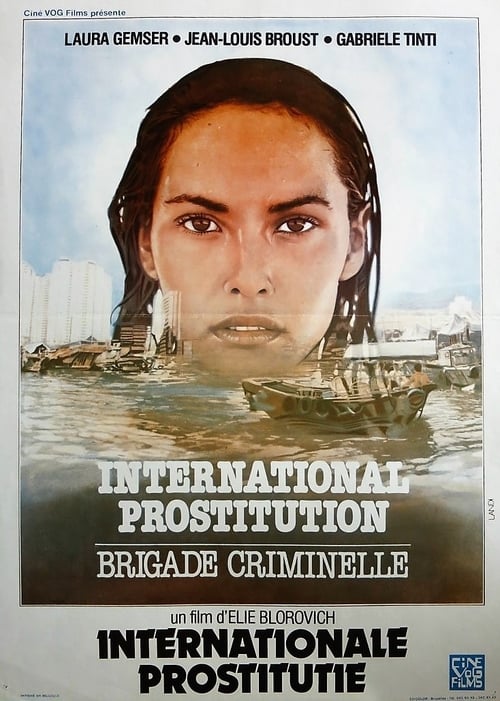
International Prostitution : Brigade criminelle

An Angry Boy
Die dunkle Seite

Legionario
Royal Opera House: Salomé
Me

The Sisters Four

Old Growth Murder

Karma
Love Child

The Caretaker
The Lifeboat

Katil Jungle
The Arsonist’s Daughter

Baby Nymph

Night Crimes
Podzim

Traición en el tablero

Bandini Kamala
Dítě
Ujo Váňa
Pozdná láska
Kocúrkovo
Falošný peniaz
Horacius
Nečakaná návšteva
Hedda Gabler

Sichuan Culinary Chronicles: In Four Chapters

Space Man
Elektro, má lásko
Přísaha
Samota
Pušky paní Carrarové
Primal Fear
Blue Velvet
Drive
The Cook, the Thief, His Wife & Her Lover
Barron's Cove
Elephant
Beyond a Reasonable Doubt
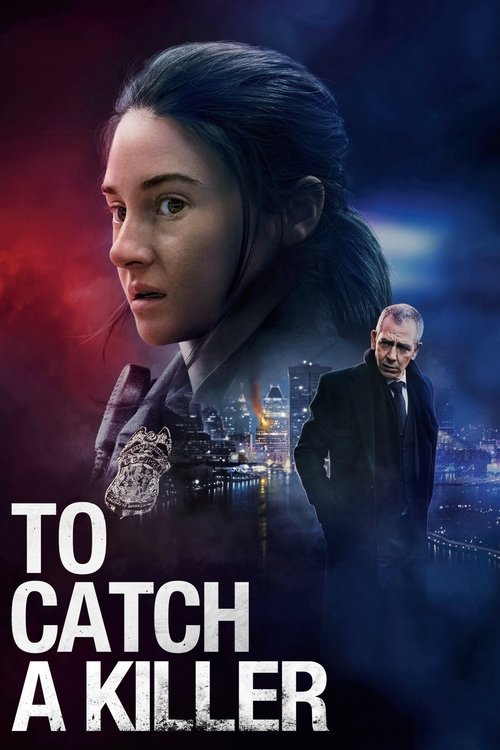
To Catch a Killer
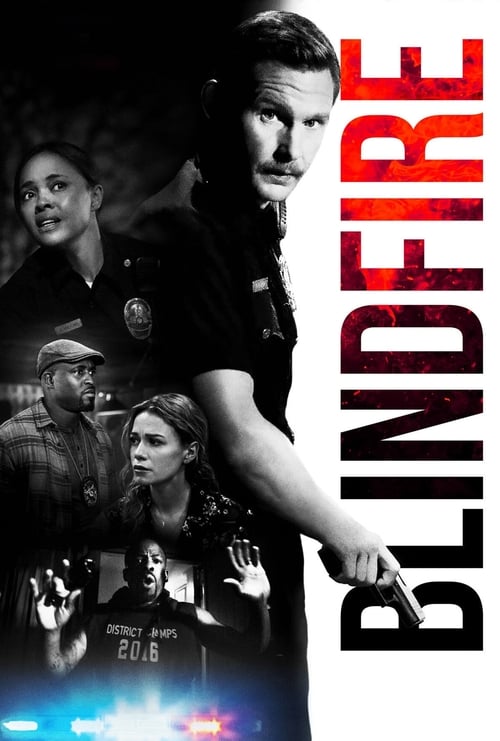
Blindfire

The Devil You Know
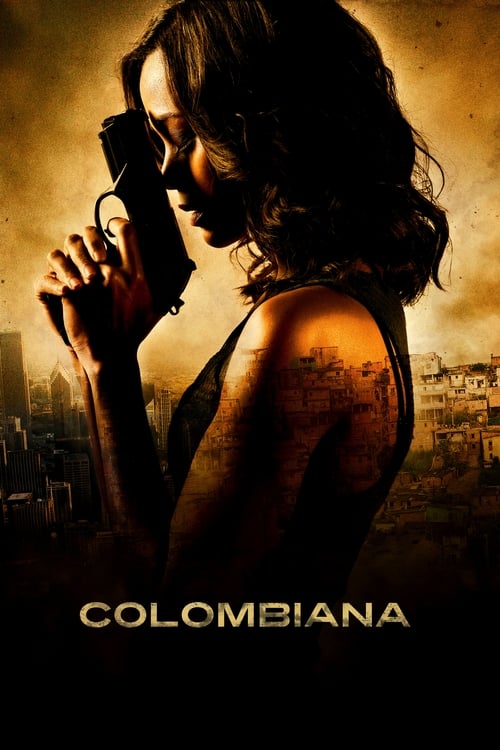
Colombiana
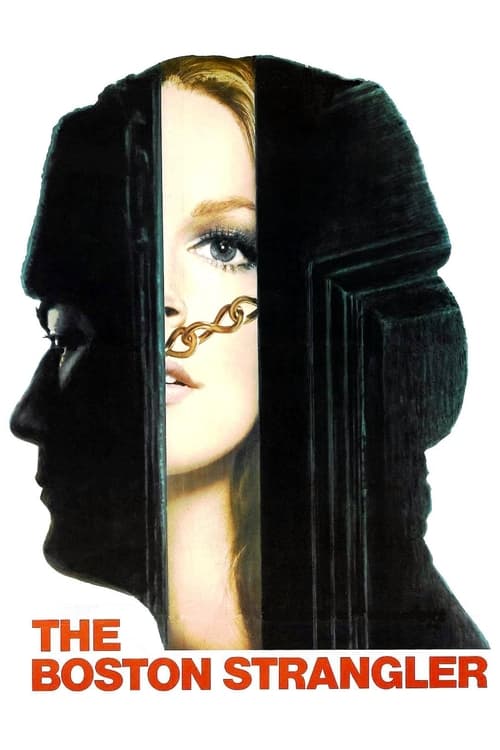
The Boston Strangler

The Killer
John Doe: Vigilante
The Experiment
A Walk Among the Tombstones

A Crooked Somebody
The Killer

The International
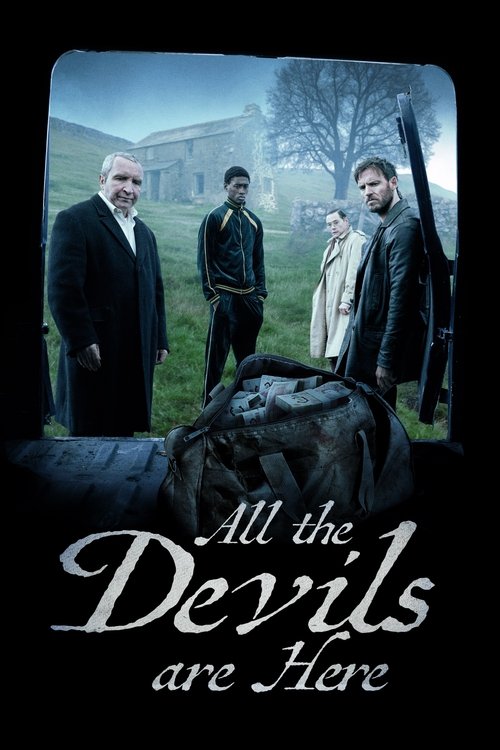
All the Devils Are Here
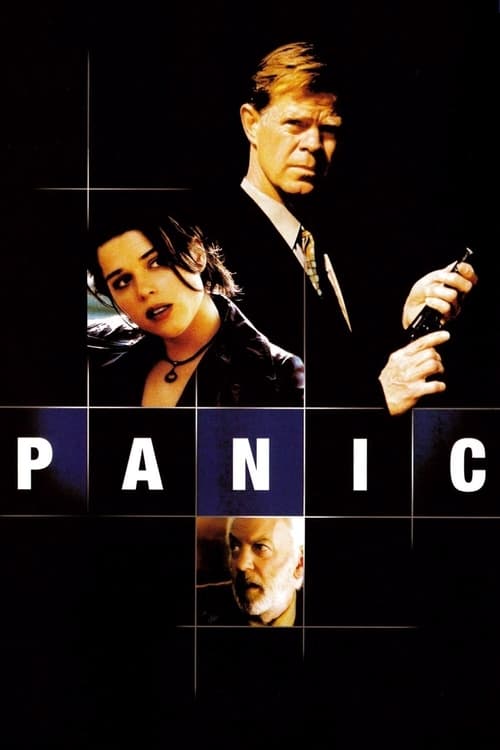
Panic
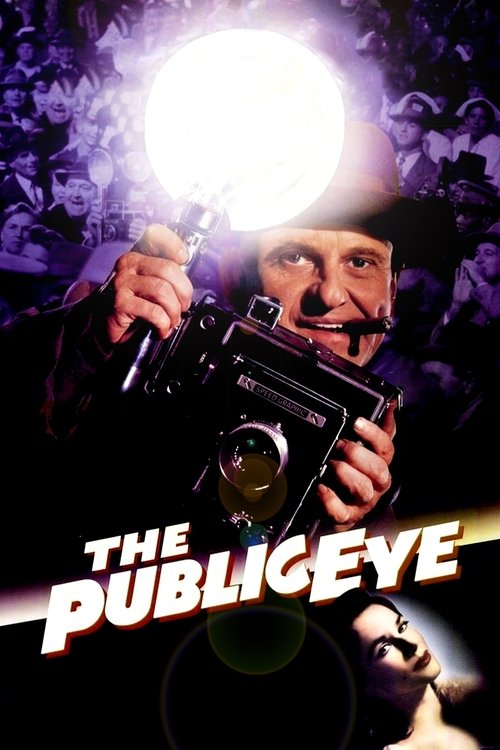
The Public Eye

True Believer
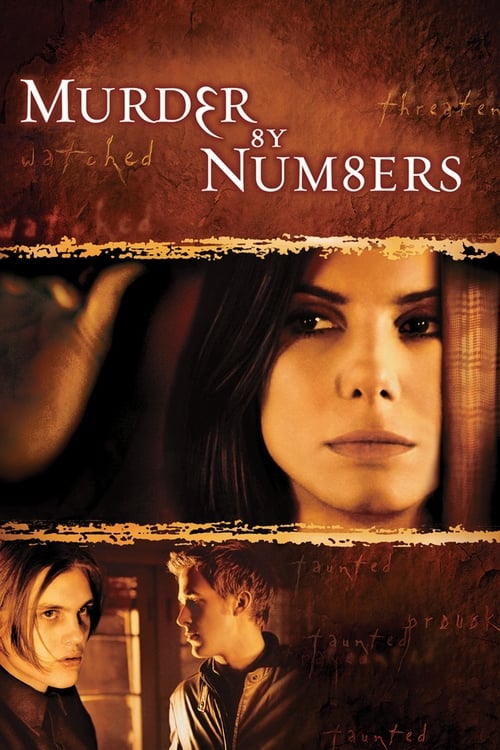
Murder by Numbers
Shade
God Is a Bullet
Inside Man
Master Gardener
Run
Black Site
Phantom Halo
Dear Mr. Gacy
Winged Creatures
Rampage

Suburbicon

Mindcage
Brake
Hangman
The Critic
Perfect Stranger
Aug 26, 1948
New York City, New York
Sep 25, 1948
Mar 26, 2001
DVD/VHS Release
© 2025-2026 MovieNight. All rights reserved.
Versus
Sign in to play →
The Skin of Our Teeth
1983

Aruba
2006
Sign in to vote
Battle your watched movies head-to-head
Community Top Movies
Evil Dead II
1987 · 14 wins
The Dark Knight
2008 · 14 wins
Halloween
1978 · 13 wins
Final Destination
2000 · 12 wins
Halloween II
1981 · 11 wins
Trivia
Leaderboard →Playing as a guest — sign in to save your score and rank on the leaderboard.
Movie Trivia
Guess the movie from a clue — tagline, plot, cast and more. Pick from four posters.
What movie experience do you prefer?
What is your favorite movie genre?
Versus
Sign in to play →
The Skin of Our Teeth
1983
Aruba
2006
Sign in to vote
Battle your watched movies head-to-head
Community Top Movies
Evil Dead II
1987 · 14 wins
The Dark Knight
2008 · 14 wins
Halloween
1978 · 13 wins
Final Destination
2000 · 12 wins
Halloween II
1981 · 11 wins
Trivia
Leaderboard →Playing as a guest — sign in to save your score and rank on the leaderboard.
Movie Trivia
Guess the movie from a clue — tagline, plot, cast and more. Pick from four posters.
What movie experience do you prefer?
What is your favorite movie genre?
We use essential cookies to run MovieNight, plus analytics (Google Analytics) and advertising (Google AdSense) cookies. By continuing to browse, you agree to this — or click No and we won't. See our Terms & Privacy Policy to learn more.