
Get the MovieNight app
Add it to your home screen — faster & full screen
Get the MovieNight app
Add it to your home screen — faster & full screen
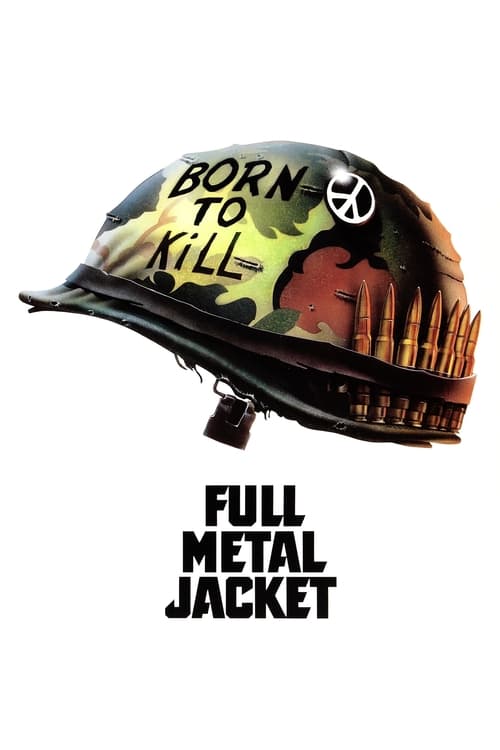
 Warner Bros. Pictures
Not part of a collection.
In Vietnam, the wind doesn't blow. It sucks.
A pragmatic U.S. Marine observes the dehumanizing effects the U.S.-Vietnam War has on his fellow recruits from their brutal boot camp training to the bloody street fighting in Hue.

Wuchak
Jun 14, 2025 · via TMDB
**_Kubrick emphasizes Marine Corps boot camp and urban warfare in Vietnam_** A high school journalist (Matthew Modine) goes to boot camp on Parris Island where he helps a struggling recruit (Vincent D'Onofrio) before serving as a chronicler of the war. In Da Nang he witnesses the start of the Tet Offensive before going 58 miles northwest of there on the coast to experience the Battle of Hue. “Full Metal Jacket” (1987) went into production six months before “Platoon” in August, 1985, but took a full year to shoot and so “Platoon” beat it to the theaters by six months and stole its thunder. The interesting thing is that “Platoon” cost five times LESS to make ($6 million compared to $30 million) and is the all-around superior movie. Yet this has its points of interest. The first act’s boot camp sequence is probably the most realistic rendition in cinematic history (speaking as someone who has been there). R. Lee Ermey is effective as the drill instructor, but he’s too hard on ‘Pyle.’ The switch to Vietnam is jarring, yet it is interesting to see a Vietnam War flick that doesn’t focus on jungle warfare, but rather urban combat. The ending is haunting (what Joker does), but it rips off what Capt. Willard did in the riverboat massacre scene of “Apocalypse Now” and just isn’t as potent. There are two vulgar scenes featuring Vietnam prostitutes, particularly the second one, which I could do without. But I guess they’re just portraying the sad reality of life in these situations with war weary grunts in their late teens or early 20s. It runs 1 hour, 56 minutes, and was shot in England (too many places to name) with a couple of archival shots of Parris Island, SC. GRADE: B

John Chard
Oct 6, 2020 · via TMDB
The Marine's don't want robots - they want killers. This is the journey undertaken by Private "Joker" J.T. Davis, from brutal training camp to Vietnam itself. As most people know by now, Full Metal Jacket is divided very much into two different halves, halves that to me show the best and worst of the talented director, Stanley Kubrick. For the first part we are subjected to the training regime inflicted on wet behind the ears boys, boys soon to become Marines out in the harshness of the Vietnam War. This is real dehumanising stuff, frighteningly essayed by the brilliance of drill instructor R Lee Ermey's performance. We know, see and feel that the boys are primed to be killing machines, unemotional killing machines at that, with Kubrick astutely weaving the brutality of camp into the moral quandary that was the war itself. One particular recruit, Private Gomer (a heartfelt and unnervingly great Vincent D'Onofrio) is the film, and Gustav Hasford's (writer of the novel and co screenwriter here) point of reference in this incredible first half. It's with this strand that "Jacket" burns itself into the soul of the viewer, to hopefully set us up for what will be Private "Joker's" (Matthew Modine) preparation for the Vietnam conflict. Then it's that second half... Where do we go from here? We already know that "Joker" and his mentally brutalised colleagues have been stripped of their basic humanity. Soldiers primed to kill, it's harsh, but true. But Kubrick has already chilled our blood and bludgeoned us repeatedly courtesy of the "Boot Camp" set up. Modine's (who isn't strong enough to carry the picture) "Joker" is now the film's axis, a clever, most definitely articulate character, who is thrust into the murky and muddled battle of the Tet Offensive, yeah and so? All it amounts to is a prolonged series of rationale and philosophical musings on the false war. Kubrick even shifting to safe mode with a clumsy narration segment spouted by "Joker". Full Metal Jacket is a truly fine film, but it's not the brilliant one it really should have been. If one can take the time to venture deeper with the second half, then it doesn't deliver on the already made point promise of the first part. Technically it's flawless, incredibly designed, with Douglas Milsome's cinematography stunningly effective. But I'll maintain to my final day that Full Metal Jacket finished up as being bloody and pretty instead of being a poignant and horrifying masterpiece. 7/10
CRCulver
Jul 31, 2018 · via TMDB
Released in 1986, <i>Full Metal Jacket</i> is Stanley Kubrick's film about Vietnam, adapted from a novel by the reclusive and bitter Vietnam veteran Gustav Harford, and then further expanded by acclaimed Vietnam journalist Michael Herr. The film breaks down neatly into two very different parts, though both are seen through the eyes of young United States marine J. T. "Joker" Davis (Matthew Modine). In the first act, Davis makes his way through Marine basic training with a motley group of other recruits under the hellish command of gunnery sergeant Hartmann (R. Lee Ermey). Joker watches as Hartmann bullies an overweight and dim-witted recruit cruelly nicknamed Gomer Pyle (Vincent D'Onofrio), until Pyle explodes into murderous revenge. In the second act, now set in Vietnam where Joker is doing a tour of duty as a military journalist, the protagonist and his fellow Marines find themselves on the front line during the Tet Offensive and Joker witnesses firsthand the savagery of war. Few films consist of such drastically opposed parts that differ in setting and tone and don’t have any overlapping characters besides the protagonist (and one minor character from the boot camp scenes). <i>Full Metal Jacket</i> has often disappointed viewers because the first half is so thrilling that it proves a hard act to follow. That's all down to R. Lee Ermey, who actually was a drill instructor during Vietnam and initially served only as a technical consultant before Kubrick decided to let him play the role and improvise. Ermey acts with a white-hot intensity, realism, and brilliantly worded insults and obscenities that no screenwriter could ever have come up with. As a young man, I too felt that the film was a letdown once it moved past the witty quips and goofy camaraderie of the boot camp scenes. With time, however, my appreciation for the film as a whole has only grown. The two-part structure now seems to be a strong yin-yang structure: the first act is a vision of order, while the second is all chaos. Furthermore, the second half is a moving statement of how war is often senseless. Joker and his squad, while on patrol for an enemy they cannot even identify and whose ideology or culture they know hardly anything of, begin to be targeted by a sniper. Several men perish before the sniper is found and neutralized, and all that death is pointless: it doesn't contribute in any way to victory for either side. The brutality of World War I trench warfare, where dozens of men could perish for merely a foot of conquered ground, is shown to have persisted through the American quagmire in Southeast Asia. That said, the film does have its flaws. One is the unrealistic depiction of the Vietnamese landscape. Kubrick had a great fear or dislike of foreign travel, and he insisted on shooting the whole film in East London. Having merely a few palm trees shipped in is a poor replacement for a real Southeast Asian shooting location with its humidity and insects, and in the scene that is meant to show a lively Vietnamese town square Kubrick obviously had the same few cars driving around in circles. It's strange how a director who was generally so perfectionist, could be so careless about locales (this only got worse with his next and last film, <i>Eyes Wide Shut</i>, with its inauthentic stage set New York City). There are also some anachronisms that this director and his technical advisors should have noticed. Still, even a flawed Kubrick film is classic cinema.
Ian Beale
Feb 15, 2017 · via TMDB
**The second half is better than the first half.** A film of two halves. The first half of the fiim focuses on the training of raw recruits and features shenanigans we have seen countless times before - think _Stripes_ and _Police Academy_. The persecution of the fat guy - a scenario we had already witnessed in Stripes and Police Academy ( "_I could show a movie on your butt, fatso_!"- Lt Harris, Police Academy) is here played out to maximum effect. The fat guy who freezes atop a climbing frame is the central plot here with Matthew Modine's character playing second fiddle to all of the _Leslie Barbara_ stuff. The second half of the movie at least gives us something we were not expecting when a sniper's identity is revealed. - Ian Beale
User reviews courtesy of TMDB.
 Amazon Video
 Apple TV Store
 Google Play Movies
 YouTube
 Fandango At Home
 Philo
Amazon Video
Apple TV Store
Google Play Movies
YouTube
Fandango At Home
Philo
Amazon Video
Apple TV Store
Google Play Movies
YouTube
Fandango At Home
 Spectrum On Demand
 Plex
Plex

Matthew Modine
Pvt. Joker
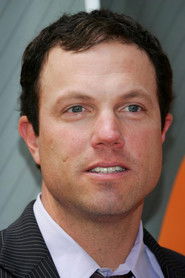
Adam Baldwin
Animal Mother
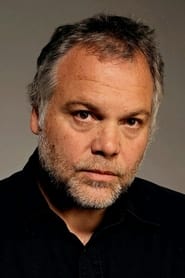
Vincent D'Onofrio
Pvt. Pyle
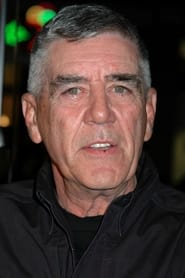
R. Lee Ermey
Gny. Sgt. Hartman
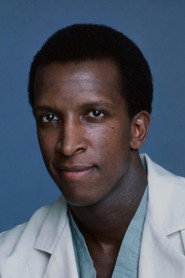
Dorian Harewood
Eightball
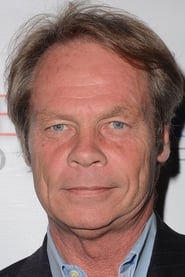
Kevyn Major Howard
Rafterman
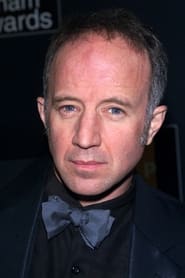
Arliss Howard
Pvt. Cowboy
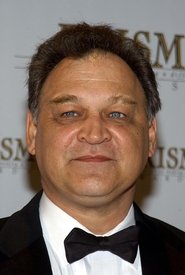
Ed O'Ross
Lt. Touchdown

John Terry
Lt. Lockhart

Kieron Jecchinis
Crazy Earl

Kirk Taylor
Payback
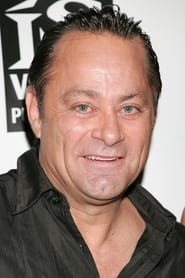
Tim Colceri
Doorgunner

Jon Stafford
Doc Jay
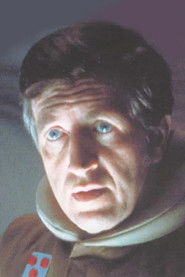
Bruce Boa
Poge Colonel

Ian Tyler
Lt. Cleves
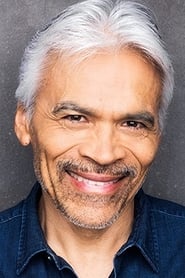
Sal Lopez
T.H.E. Rock
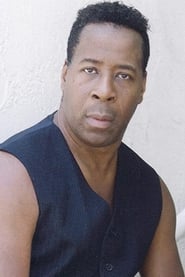
Gary Landon Mills
Donlon

Papillon Soo
Da Nang Hooker

Peter Edmund
Snowball

Marcus D'Amico
Hand Job

Keith Hodiak
Daddy DA

Herbert Norville
Daytona Dave

Philip Bailey
Parris Island Recruit and Vietnam Platoon

Steve Hudson
Parris Island Recruit and Vietnam Platoon
David Perry
Parris Island Recruit and Vietnam Platoon

Vivian Kubrick
News Camera Operator at Mass Grave (uncredited)
Stanley Kubrick
Murphy (voice) (uncredited)

John Ward
TV Camera Operator (uncredited)
David Palffy
Mass Grave Soldier (uncredited)
John Ward
Steadicam Operator
Stanley Kubrick
Director
Michael Herr
Associate Producer
Leon Vitali
Casting

Marion Dougherty
Casting
Mike Fenton
Casting

Jan Harlan
Executive Producer
Stanley Kubrick
Producer
Vivian Kubrick
Original Music Composer
Gustav Hasford
Novel
Gustav Hasford
Screenplay
Michael Herr
Screenplay
Stanley Kubrick
Screenplay
Impure Blood
Ensemble
The Tower of Lies
Decision
Emekli Başkan

Memorie
Dead or Alive

Portrait of a Smile

Paper Players' War
When Dawn Breaks
A Christmas Carol
Milky Way
Adventures of Lazare
Gloria del Pacífico
Snipers
Štvrtý rozmer
Svatba bez prstýnku
Star-Crossed Lovers
Gauze
The Green Mile
Nylon Moon
Forrest Gump

Seven Samurai
Life Is Beautiful
One Flew Over the Cuckoo's Nest
Once Upon a Time in America
The Flight
The Great Dictator
Apocalypse Now
Saving Private Ryan
Dr. Strangelove or: How I Learned to Stop Worrying and Love the Bomb
Metropolis
Mission «Sky»
Casino
Lawrence of Arabia
Resurrection
A Prayer for Katerina Horovitzova
Secret Violence
The Dark Mirror
The Dark Swan

The Marines
The Masked Lover
The Fog
Rodeo
America at War

Exposure

Cosy Dens
Blade Runner
The Great Escape

Army of Shadows
Winter Light
Persepolis
Downfall

Grand Illusion
A Beautiful Mind
Dances with Wolves
Rosemary's Baby
Anatomy of a Murder
The Bridge on the River Kwai
The Adventures of Werner Holt
Papillon
Do the Right Thing

The Face of Another
Cool Hand Luke
The Bridges of Madison County
The Celebration
Manhattan
The Leopard

Vivre Sa Vie
October Sky
The Hustler
Strangers on a Train
Battleship Potemkin
Doctor Zhivago

The Dirty Dozen
Harold and Maude
The Last Emperor

Talk to Her
A Few Good Men
Jules and Jim
Obsession
Brave
South of the Rio Grande
The Killing Fields

Apollo 13
The Day the Earth Stood Still
Contact

The Devil Wears Prada
The Experiment
Distant Lights
Once Were Warriors
Black Hawk Down

Scarface

Jacob's Ladder

Through My Window
Murder She Said

After the Rain

Golden Queen

Belle de Jour
Gone Baby Gone
Good Morning, Vietnam

Lolita
A Very Long Engagement
Lady Joker
The Last Full Measure
Bicentennial Man
Leaving Las Vegas
2046

Short Cuts
Monster

The Hours

God Does Not Believe in Us Anymore

The Diary of Anne Frank
Cabiria
A Bridge Too Far
Twelve O'Clock High
Lust for Life

The Yin-Yang Master: Dream of Eternity

Takva: A Man's Fear of God
A History of Violence
Irreversible
Revanche

Riceboy Sleeps
Straw Dogs
The Getaway
Field of Dreams
Murder at the Gallop
Desert Hearts
The Cuckoo
Faces
Murder Most Foul
Notes on a Scandal
Savior
The Bear
The Beast of War
The Cowboys

A.I. Artificial Intelligence
Broken
The Winter War
Arlington Road
Born on the Fourth of July
The Tin Drum
Indochine

The Garden of the Finzi-Continis
The Towering Inferno
La vuelta del Coyote
My Hometown

Jemima + Johnny
Up Front
The Devil's Garden
Rubber Duckie
Orphan of Lowood
Shin Kamen Rider

Teinen Oyaji Kaizou Keikaku
Naked Lunch
Valkyrie
Pearl Harbor
Jacob the Liar

Layer Cake
Wag the Dog

Don't Look Now
Breakdown

Lola
The Prime of Miss Jean Brodie
Indivisible
Antonia's Line

The Sisters Brothers
Jesus
The Man Who Invented Christmas
The Fortress

Romeo + Juliet
Klute
Owning Mahowny
Buck Privates
Firebase
Rebellion of the Hanged
Jakob the Liar
The Lost World
The Tracker

Katyn

Wild Child

Valiant One
Jarhead
Days of Glory
Absolute Power
Backdraft

To Die For
2:37
The Idiot
The Legend of Bagger Vance
I.D.

The Bricklayers

Winter in Sokcho
The Big Fake
David
The Milagro Beanfield War
The Assassination of Richard Nixon
Crash
Le Pion
The Great Raid
My Name Is Shadow
Foma Gordeyev
Sandra, the Woman of Fire
1984

The Gift

The Chumscrubber

The Hunting Party
Things to Do in Denver When You're Dead
Borstal
A Daughter Of Destiny

A Mighty Heart
Executive Decision
The Sum of All Fears

The Day of the Locust
Love Liza
The Grandfather

Chasuke's Journey

Tomato Red
How to Blow Up a Pipeline
Sommersby

Salò, or the 120 Days of Sodom
Storm over Tjurö
Old English

My Sunny Maad
Love in Thoughts
Arn: The Knight Templar

Heart o' the Hills
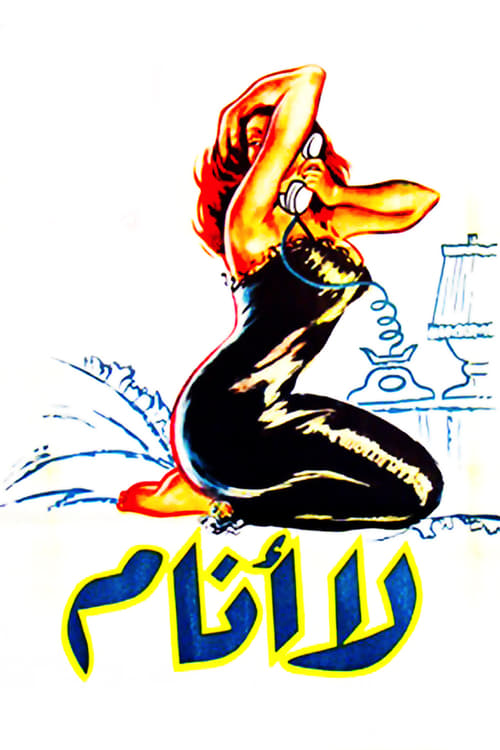
Sleepless

24 Hours
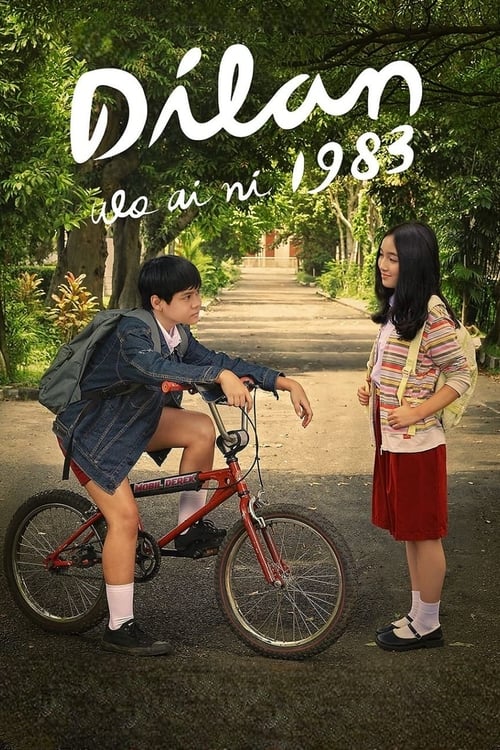
Dilan 1983
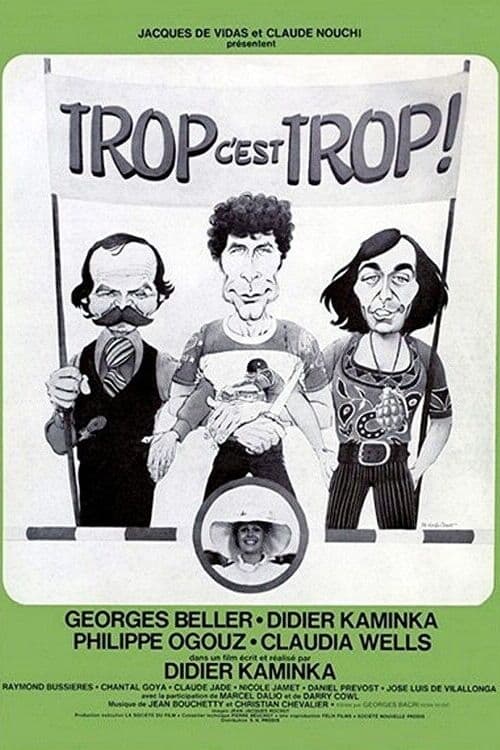
Trop c'est trop
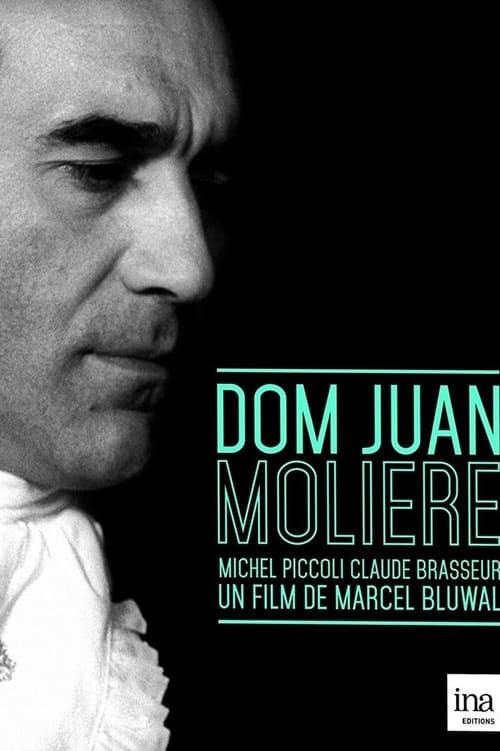
Dom Juan
Longing
Killing Zoe
Frontier(s)
Butchered
Stuck
The Elementary Particles
Roger Dodger
Fallen
Choke
Fallen Angels Paradise
Silvery Wind

Homestay
The Odd Angry Shot
Nightwatch
Topaz
People in the Summer Night

A Round Trip to Love
September Sky

How to Forget You
Believe: The Ultimate Battle
S.F.W.
Missing in Action
Trucker

A Bright Shining Lie
B. Monkey

Heart of Darkness
The Fighting 69th

Hyouka: Forbidden Secrets
Ben-Hur
Virginity
Circuit
Stay Hungry
The Silent Mountain

Lorna
The Crazy World of Julius Vrooder
Ask the Dust

Solo mía

Private Potter
A Diary of a Murderess
Curse of the Black Cat
One Man's Hero
The Rats: A Witcher Tale
The Seeker: The Dark Is Rising
Bruc: The Manhunt
So Cold the River
Tell Me No Secrets
The Very Edge

Wild Orchid II: Two Shades of Blue

The Wrong House

The Adderall Diaries

Sweet Sweetback's Baadasssss Song
The Boy and the Convict

Nothing Good Ever Happens
Cuckoo in a Dark Forest
Shudra: The Rising

A Round Trip to Love 2
Nights of Farewell

About the Looking for and the Finding of Love

Johanna
A Great Divide

Himmo, King of Jerusalem

Lízino štěstí

Passion and Romance: Ocean of Dreams
Kaivopuiston kaunis Regina
The Horse That Cried
Dangerous Paradise

2 Women
Dwellers
Father Sergius
Kouzelný dům
The Lily and the Rose
Bratři Karamazovi
In April
Divided We Stand
Sivooký démon

Flowers For Mrs. Harris

Mariam's Day Off
Mistr Kampanus
Rajamaa

Remember Us
Na vlně 57 metrů

Etopirika: A Bird That Spins Thoughts
Der fahrende Schüler bannt den Teufel
Mučivé tajomstvo
Nostalgia In The Wind At Dusk
Dutch & Razzlekhan
Counting Miracles

After All

The Dogs are Coming
Detransition, Baby
7 Miles Out
Mistr a Markétka
39th Edogawa Rampo Prize "Kao ni Furikakaru Ame"

Aquí
Veliká stavba
Issa

Hide and Seek

Essentially Amy
Little War, Little man, Little Wish
A Dog’s Perfect Christmas
SO MUCH SORROW AND A GLIMPSE OF HOPE

Brighter Stars

Why Wait, Just Die
Apocalypse Now
The Deer Hunter
Platoon
The Killing Fields
The Thin Red Line
The Last Full Measure
Casualties of War
We Were Soldiers
Birdy
Born on the Fourth of July
Heartbreak Ridge
Civil War
Danger Close: The Battle of Long Tan
Rambo: First Blood Part II
Heaven & Earth
Hamburger Hill

Jacknife
Ambush
Bat★21
84 Charlie Mopic

Billy Lynn's Long Halftime Walk
Redacted
The Yellow Birds
Missing in Action
Missing in Action 2: The Beginning
Jun 17, 1987
Beverly Hills, California
Jun 26, 1987
Jul 10, 1987
Nov 6, 2001
DVD
Sep 20, 2002
Moonlit Matines Film Festival
Sep 5, 2006
Bluray
Apr 7, 2016
Sarasota Film Festival
© 2025-2026 MovieNight. All rights reserved.
Versus
Sign in to play →
The Stranglers - Live '78, SF
1978
Saddle Leather Law
1944
Sign in to vote
Battle your watched movies head-to-head
Community Top Movies
Evil Dead II
1987 · 14 wins
The Dark Knight
2008 · 14 wins

Halloween
1978 · 13 wins
Final Destination
2000 · 12 wins

Halloween II
1981 · 11 wins
Trivia
Leaderboard →Playing as a guest — sign in to save your score and rank on the leaderboard.
Movie Trivia
Guess the movie from a clue — tagline, plot, cast and more. Pick from four posters.
What movie experience do you prefer?
What is your favorite movie genre?
Versus
Sign in to play →
The Stranglers - Live '78, SF
1978
Saddle Leather Law
1944
Sign in to vote
Battle your watched movies head-to-head
Community Top Movies
Evil Dead II
1987 · 14 wins
The Dark Knight
2008 · 14 wins
Halloween
1978 · 13 wins
Final Destination
2000 · 12 wins
Halloween II
1981 · 11 wins
Trivia
Leaderboard →Playing as a guest — sign in to save your score and rank on the leaderboard.
Movie Trivia
Guess the movie from a clue — tagline, plot, cast and more. Pick from four posters.
What movie experience do you prefer?
What is your favorite movie genre?
We use essential cookies to run MovieNight, plus analytics (Google Analytics) and advertising (Google AdSense) cookies. By continuing to browse, you agree to this — or click No and we won't. See our Terms & Privacy Policy to learn more.