
Get the MovieNight app
Add it to your home screen — faster & full screen
Get the MovieNight app
Add it to your home screen — faster & full screen
 A24
 Fruit Tree
 Smudge Films
Not part of a collection.
There is still time.
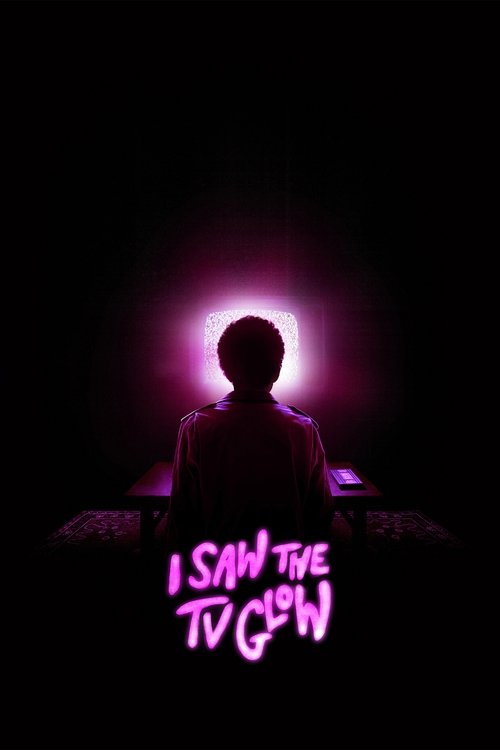
In late-90s suburbia, a lonely teenager meets a girl at school who introduces him to a mysterious late-night T.V. show — a vision of a supernatural world pulsing beneath their own. As time goes on, however, questions begin to arise about why the show sometimes seems more real than their own lives. In the pale glow of the television, their view of reality begins to crack.

Yasmin J. Lee
Sep 25, 2026 · via TMDB
# Euphoric Sleepaways & Gender Terror ### Comparative Analysis of Jane Schoenbrun’s “I Saw the TV Glow” (2024) & “Teenage Sex and Death at Camp Miasma” (2026) In Jane Schoenbrun’s (they/them) sophomore feature, *I Saw the TV Glow* (2024), audiences are trapped in the Midnight Realm of the suburbs. This summer, viewers are transported to a slasher sleepaway camp daydream that distorts reality and fantasy. In both films, the protagonists immerse themselves in media as escapism and gender euphoria. This escape into a world of fantasy and screens allows them to disassociate from gendered expectations. While they share similarities, both films present audiences with starkly different fates; one existing in complacency and dysphoria, the other relishing the freedom of immersing in pleasure. *I Saw the TV Glow'*s protagonist, Owen (Justice Smith), felt an unbreakable tether to the fictional television series The Pink Opaque’s Isabel (Helena Howard). Watching The Pink Opaque*,* Owen saw glimpses of the life he could have had if he embraced his true self. In The Pink Opaque, he was once someone strong. Beautiful. And magical. When his former classmate, Maddy (Jack Haven), offers to help Owen transition from this life into the television series, Owen flees and never makes it to the season six premiere. Stuck with impending anxieties of manhood and mediocrity, Owen only sees the TV glow from within, never knowing what his life could have been if he followed Maddy. Schoenbrun offers an alternative narrative to their sophomore: immersing oneself in the life they have always felt an unshakeable belonging to. Camp Miasma— another fictionalized, canonical franchise from the mind of Jane Schoenbrun—was introduced to audiences through a sequence of memorabilia. Bobbleheads, trading cards, VHS tapes, costume displays, and sensationalized articles reveal Camp Miasma’s rise and fall as a problematic zombie IP. Our protagonist, Kris Williams (Hannah Einbinder; character pronouns she/they), helms a reimagining of Camp Miasma through a “woke” lens. Dodging snowballs upon entering the gas station, Kris snags their favorite candy off the racks. In this film, the gas station is a liminal space: both destination and journey. Outside the gas station, the children keep playing, flinging snowballs at each other. In the opening sequence of *I Saw the TV Glow*, Schoenbrun introduces audiences to the ephemeral nature of recess and play. In *I Saw the TV Glow,* Young Owen travels around the parachute in the gymnasium, reflecting his isolation despite being surrounded by peers. Shortly afterward, the parachute deflates as the camera abandons Young Owen. One unforeseen tragedy of growing up is realizing one day we won’t have recess anymore. Suddenly, expectations and responsibilities are placed on us, and we have to submit to predetermined roles. Being a child is innately a genderless period of many people’s lives. As kids, gender performance and sexual orientation do not define their identities. They exist and explore the world through play. These moments of play inform and shape our identities and the roles we accept as we age. In their interview with The Movie Podcast, hosted by Daniel and Shahbaz, Schoenbrun says they open and close *Camp Miasma* with children playing as a reminder of the mindset they needed while creating *Teenage Sex and Death at Camp Miasma.* By revisiting play throughout the film, Schoenbrun repurposes it from *I Saw the TV Glow* and invites viewers to find their film community and play alongside them throughout the viewing experience. Hence why one of the first shots we see before the title sequence is a POV, handheld shot of the film crew working on one of the Camp Miasma films. The film set is like a playground where the crew and Jane play together to make their stories real. The motif of play appears in many forms throughout *I Saw the TV Glow* (2024) and *Teenage Sex and Death at Camp Miasma* (2026). For instance, around the second act of *Camp Miasma*, Billy Presley (Gillian Anderson) reminds Kris that "it's all just a play. That’s why he \[Little Death, portrayed by Jack Haven\] built this place.” Billy’s reminder came shortly after Kris’s first sex scene in the movie. To relate sex and play together offers a lightheartedness that makes sex feel less detrimental for the protagonist and audiences who feel a similar blockage to accessing pleasure. This blockage to pleasure is not a unique experience, by any means. In fact, the link between horror, fear, and sex is undeniable. In French, the euphemism for orgasm is ‘la petite mort.’ La petite mort directly translates to ‘little death.’ The notion of death being related to the climax of sex is due to a couple of things. One, when you have truly amazing sex with a beautiful person, you forget about dying and feel infinite. Otherwise, as Jordan Peele once stated at the American Film Institute, death is the ultimate of tension and release. As someone feels their muscles tense and spasm, this involuntary bodily response can feel like death is creeping upon them if they subject their body to climax. Jane Schoenbrun’s characters always have access to pleasure and euphoria; however, as Billy Presley said, “if it gets too real, you can always turn it off.” Throughout *Camp Miasma*, Kris is presented with invitations and offerings. Audiences watch them navigate their cravings and urges, and the gazes of admiration they draw when watching Billy Presley in the original Camp Miasma and in reality. Naturally, Schoenbrun created a cinematic world where consent is the status quo. In *Camp Miasma*, consent is reimagined as chandeliers of gummy candies and drawers filled with Sour Patch Kids. The sweet temptation is always present, but it awaits the subject to reach in before indulging. The strain of gazing upon desire also appears in *I Saw the TV Glow* (2024). After inviting Owen to a sleepover to watch The Pink Opaque, Maddy soberly confides in Owen that “sometimes The Pink Opaque feels more real than real life.” For Maddy to announce her fractured sense of reality to Owen, she inadvertently admits that the life she wants to exist in only airs on the Young Adult Network. Maddy and Owen’s true identities are only fulfilled when the show is on. Owen said it himself, "It's not real if I don’t think about it.” Without thinking about or watching the show, their authentic selves don’t exist. This fragile reality between indulging in desire and submission to societal expectation is a threshold that breaks like the shell of a Gusher. Gooey and tough at first, until the artificial neon sticks to your teeth. That sweet flavor lingers, just like *Teenage Sex and Death at Camp Miasma* after viewing it for the first time*.* Whether it’s candy, orgasms, movies, fame, or friendship, Schoenbrun depicts a range of transitory delights in both projects. In doing so, Schoenbrun presents two different fates for people faced with their fleeting desires. In *I Saw the TV Glow,* Owen is a passive main character who is embarrassed of their love of The Pink Opaque. When he starts watching the show with Maddy, he doesn’t tell his parents because The Pink Opaque is “a show for girls.” By accepting this shame, Owen’s bliss appears only when the television is on and when he collects VHS tapes of the show from Maddy. Throughout the film, Owen is reminded in chalk letters that "there's still time.” Meaning, there’s still time for him to become Isabel and rewrite his destiny. Again, when Maddy offers to help Owen transition from this life into the television series, Owen chooses to be stuck in the suburbs and manhood. In contrast, Kris has an unabashed love for the Camp Miasma series. Kris consciously approaches Billy Presley with the request of showing them how to be the girl from Camp Miasma, affirming, “That look in your eye. I don’t just want to watch it. I don’t want to just film it and put it in a movie. I want to experience it too.” By making this request, the winter snow waned away, and Little Death rose. We’ve returned to Camp Miasma. In both worlds, a sleepaway camp is present. Tara (Lindsey “Snail Mail” Jordan) and Isabel from The Pink Opaque meet at the campgrounds while Camp Miasma is set entirely at a sleepaway camp. Despite this similarity, Schoenbrun portrays the two camps very differently. The sleepaway camp from The Pink Opaque is this unattainable, aspirational plane for Owen and Maddy. He’s never a part of this world, despite being unable to part with it. Camp Miasma, by contrast, is an accessible campground littered with memorabilia. Its history of violence towards trans identities is evident, while it has strangely become the playpen for Little Death, the trans child who died in the lake and seeks wild justice vis-à-vis revenge. By having Owen and Kris escape into summer camps of fantasy and screens, they disassociate from gendered expectations. From the *TV Glow'*s "there's still time” to *Camp Miasma'*s freezing of time, both present the ultimate fantasy—enough time to savor the moment. Schoenbrun further develops their filmmaking language of transient metaphors and pop culture ephemera by contrasting their protagonists' fates to uncover a philosophy true to their own: Audiences must consume the experience like candy without letting it consume them. *Enjoyed this review? Subscribe to my Substack (Snowy Reviews, by Yasmin) and give me a follow (@yasminthewriter) on Letterboxd, and see what I review next!*

Kali
Mar 6, 2025 · via TMDB
Honestly? Not that good. Like I got the underlying metaphor of Owen being trans and that was cool, but there really wasn't that much substance to the film other than that. > I'll die if I stay here. I don't know how exactly, but I know it's true. Maybe there is more substance to it and I didn't realise because I was tired when I watched it. I don't know. I think I just expected more horror and more trans.
Chandler Danier
Dec 3, 2024 · via TMDB
I was hoping this was a Helloween 3 remake. Way too much filler. Who needs to see bands performing? Monologues... It's deep but I wasn't buying. Hellish ending. Really cool shots. Creepy shots. Well shot.
CinemaSerf
Aug 13, 2024 · via TMDB
Told using a verity of storytelling techniques, this is a curious film that certainly has a potent point to make but somehow it just can't get there. It's all about the relationship between two folks on the periphery of society. "Owen" (Ian Foreman then Justice Smith) lives with his parents whilst "Maddy" (Brigette Lundy-Paine) abides with her indifferent mother. She's a few years older than he, and they initially bond over a television show called "Pink Opaque" that she has been watching for a few seasons, but it's on past his 10.15 bedtime. She makes it pretty clear that her sexual interests lie elsewhere but he, not remotely bothered, just wants to see the show. A sleepover starts the ball rolling on their enigmatic friendship that invites us to consider a range of issues surrounding sexual and gender identity, fluidity and the sometimes quite traumatic effects these can have on people emotionally and psychologically ill-equipped to deal with at a young age. The use of the television series is quite an effective conduit for the theme as it uses the super-natural to instil both an element of fear and an element of the ridiculous - especially the ice cream man and the totally non-menacing "Mr. Malevolent" whose purposes and dynamic evolve as the characters do throughout the narrative. Suddenly, she goes AWOL for ten years then returns to his life with questions to ask and to answer, but is she still the same person and are either of them any more at ease with whom they truly are? It has brief moments to lighten the mood, but for the most part it's quite an intense and slowly paced look at two characters that I just didn't feel I knew. I suspect this may resonate intensely with people dealing with gender identification complexities, but for the rest of us it pointed us in the right direction but then more or less abandons us to infill too much of the personalities of "Owen" and "Maddy" to fit our own expectations or aspirations for them. It's as if auteur Jane Schoenbrun has given us the edge of the jigsaw puzzle and left us to do the rest - without there necessarily being a right way to do it. It also has one or two goes at bringing things to a conclusion - or as much of one as we are to actually have, and that didn't really work for me. I didn't need "the end", but what we did get was a bit frail. It is an intriguing piece of cinema at times, but for me it lost it's way.

ekaari
Aug 9, 2024 · via TMDB
Necessity and Style, lacking Substance ‘I Saw the TV Glow’ offers an important message that is evidently hitting the hearts of the people who need to hear it, and the beautiful visuals bath it in emotional colour. It would have been served with more depth, detail, and structure, but it does what it set out to do. If it doesn’t hit for you, you’re probably not the intended audience.
TheSceneSnobs
Jul 9, 2024 · via TMDB
I was disappointed in the flow of the story in 'I Saw The TV Glow'. Despite this, the melancholy feel of the film is beautifully conveyed throughout, enhancing its themes effectively. The visuals are stunning, and the combination of top-tier editing and visual effects elevates the cinematography to an exceptional level. The film’s melancholic atmosphere is one of its strongest points. This pervasive mood adds depth to the narrative, making the emotional and thematic content more impactful. For example, scenes depicting the isolation and struggles of the characters are visually striking, with a muted color palette and hauntingly beautiful landscapes that mirror their inner turmoil. The layered storytelling warrants another viewing to fully appreciate the intricate details and symbolism woven into the film. The film also provides a profound look into the LGBTQIA+ community, offering perspectives that encourage empathy and understanding. After watching it, I felt compelled to have an open conversation with my sons about the importance of being able to talk openly about anything, assuring them of our unwavering support. This horror movie effectively portrays the harsh realities that no person should have to endure, making its social commentary both relevant and poignant. The direction and performances were lackluster. Their portrayals are emotionally charged and authentic, bringing a raw intensity to their characters. While Ian Foreman and Brigette Lundy-Paine deliver memorable performances, the supporting cast falls short. Justice Smith’s character, Owen, is particularly underwhelming. His character lacks depth and is only marginally more interesting in scenes with Lundy-Paine. The supporting characters are mostly forgettable, which diminishes the film's overall impact. The TV show set within the film, The Pink Opaque, and its antagonist, as well as the overall antagonist of the film, are clearly meant to be metaphorical. However, the vague nature of these elements, while potentially serving as a good analogy, ultimately hurts the story by leaving too many questions unanswered. A bit more backstory and clarity would have enriched the narrative and provided a stronger connection to the metaphorical themes. I Saw The TV Glow is a film with commendable visual and thematic depth but falters in its storytelling execution. The melancholy atmosphere, stunning visuals, and strong lead performances are highlights. The film is worth watching for its social commentary and emotional resonance, but it falls short of being a fully engaging cinematic experience.
User reviews courtesy of TMDB.
 Amazon Video
 Apple TV Store
 Google Play Movies
 YouTube
 Fandango At Home
 Kanopy
Amazon Video
Apple TV Store
Google Play Movies
YouTube
Fandango At Home
 Spectrum On Demand

Justice Smith
Owen

Jack Haven
Maddy

Ian Foreman
Young Owen

Helena Howard
Isabel

Lindsey Jordan
Tara

Danielle Deadwyler
Brenda

Fred Durst
Frank

Conner O'Malley
Dave

Emma Portner
Amanda / Mr. Melancholy / Marco / Evil Clown

Madaline Riley
Polo

Amber Benson
Johnny Link's Mom

Albert Birney
Mr. Sprinkly

Michael C. Maronna
Neighbor 1
Danny Tamberelli
Neighbor 2

Timothy Allan
Lance

Tyler Dean Flores
Cade

Marlyn Bandiero
Brenda's Friend

Haley Dahl
Sloppy Jane Band Member

Phoebe Bridgers
Phoebe Bridgers

Brandon Tonner-Connolly
Production Design

Mila Matveeva
Title Designer

Eric K. Yue
Director of Photography

Brandon Alan Smith
Stunt Coordinator

Damali Ross
Stunt Double

Stacie Rathbone
Stunt Double

Warren E. Hull
Stunt Double

Daniel Patrick Carbone
Thanks

David Lowery
Thanks

Dustin Guy Defa
Thanks

Eva Victor
Thanks

Jasmin Savoy Brown
Thanks

Jourdain Searles
Thanks

Lucy Dacus
Thanks

Jane Schoenbrun
Director
Willy McGee
First Assistant Director

Sofi Marshall
Editor

Cherelle Cargill
ADR Voice Casting

Abby Harri
Casting

Salome Oggenfuss
Casting

Taylor Shung
Executive Producer

Ali Herting
Producer

Dave McCary
Producer

Emma Stone
Producer

Luca Intili
Producer

Sarah Winshall
Producer

Heather Landsman
Production Assistant

Chris Navarro
ADR Mixer

Leslie Bloome
Foley Artist

Alex G
Original Music Composer

A. G. Cook
Songs

Caroline Polachek
Songs

Emily Haines
Songs

Frances Quinlan
Songs
Haley Dahl
Songs

Kevin Drew
Songs
Phoebe Bridgers
Songs
Jane Schoenbrun
Writer

Les Anneaux de Bicêtre
Emma

Feel Good to Say Goodbye
Male Shorts: International V2

Alpha Quail
Shellfish

Isekai

A Menina que Nunca Viu o Mar
Allure
Letters from Eden

Isaac Littlefeathers

Jackie
Low Stress Day

Nexus Laboratories

#DadLife

Every Moment of You

Trying

Still Life
Love in the Time of Zombies

NOSTALGIA

Giallo Homo

BARK

The Impossible Choice

Stillness Spreads

Stages of Me

Estrela Kdente

Stadier af sorg

Let Go Letting Go

Take The Bridge

Angel Dusted
A Good Man
El Hombre de Acero
Luc ou la part des choses

Gamak Ghar

Boy Drenched in Water
The Shawshank Redemption
Forrest Gump
One Flew Over the Cuckoo's Nest
Sunset Boulevard
Apocalypse Now

National Theatre Live: Angels In America — Part One: Millennium Approaches

National Theatre Live: Angels In America — Part Two: Perestroika
Eternal Sunshine of the Spotless Mind
The Elephant Man

American Beauty
The 400 Blows
Scarborough Ahoy!

A-man and the C-city

Alone

Some Kind of Paradise

Chickenshit
Patty Is Such a Girly Name
13 novembre, nos vies en éclats
Love, Simon
Blade Runner
Rebecca
Amarcord

Soulmate
Dances with Wolves
Donnie Darko
Brokeback Mountain
All Quiet on the Western Front
Mulholland Drive
Rocky
Mystic River
Dogville
Viridiana

I Don't Want to Go Back Alone

BPM (Beats per Minute)

My Fault
The Blind Side
Fried Green Tomatoes
All About My Mother
Billy Elliot
Imagine Me & You
Gigantic

Laura
The Fire Within

Pretty Boy
Coach Carter
Talk to Her

Blood Diamond
Girl, Interrupted
Jules and Jim

Fearless

Sabotaging the Squad
The Wave
C.R.A.Z.Y.
Lucky Number Slevin

A Christmas Carol
Ludwig
Being John Malkovich

My Girl
The Big Blue
Boys Don't Cry

Frida
As Good as It Gets
Kes
Hedwig and the Angry Inch
Cairn

The World In Your Window
Blue Film
The Trial

The Trap
Perfume: The Story of a Murderer

Bad Education
Muganga
Bridge to Terabithia
Carrie

Blow-Up
25th Hour
Everything Is Illuminated
The Promised Land
The Adventures of Priscilla, Queen of the Desert
Just a Question of Love
The Cook, the Thief, His Wife & Her Lover
The Greatest Game Ever Played
Tiznao
Chemical Hearts

Soul on Fire
Torch Song Trilogy

Pleasantville
The Karate Kid
Monster
The Dreamers
Fear and Loathing in Las Vegas

Withnail & I

Ikingut
Days

The Yin-Yang Master: Dream of Eternity
Big
The Bucket List
Invictus

Lonely Heart
A History of Violence
I Can No Longer Hear the Guitar
Riceboy Sleeps
Stranger Than Paradise
Talk to Me
Pi
8 Mile
Desert Hearts
Notes on a Scandal
Rocky IV

The Virgin Suicides
Law of Desire
A Tale of Two Sisters
Pump Up the Volume
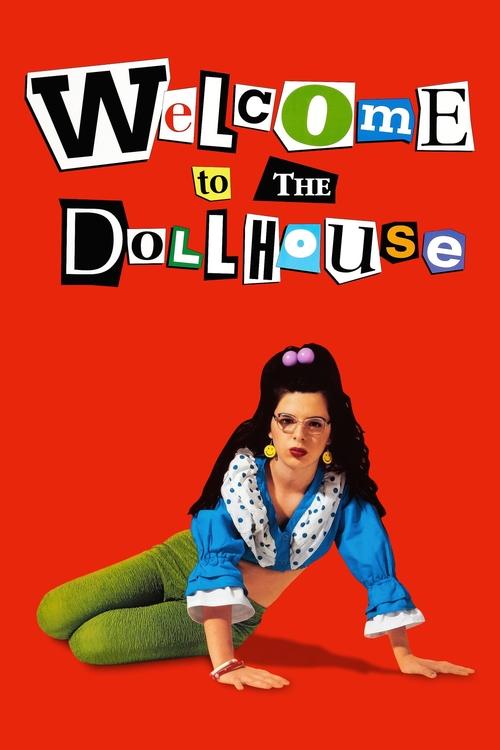
Welcome to the Dollhouse

Drugstore Cowboy
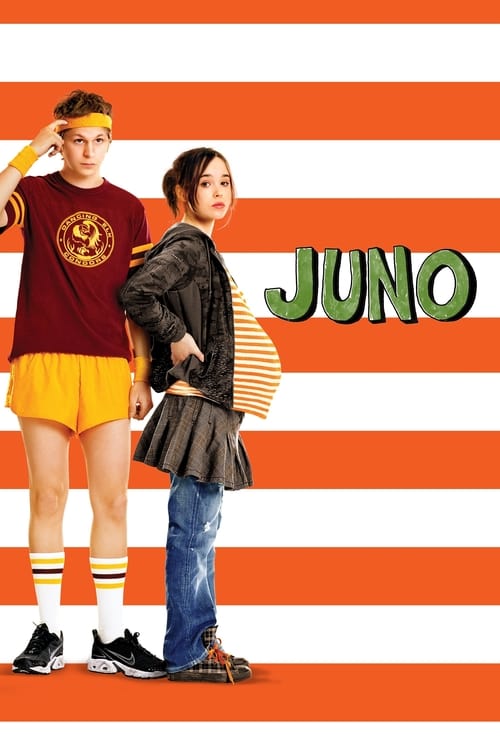
Juno
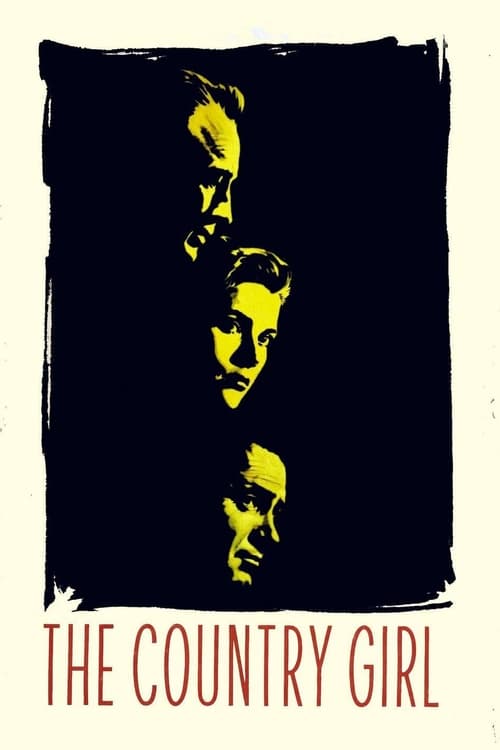
The Country Girl
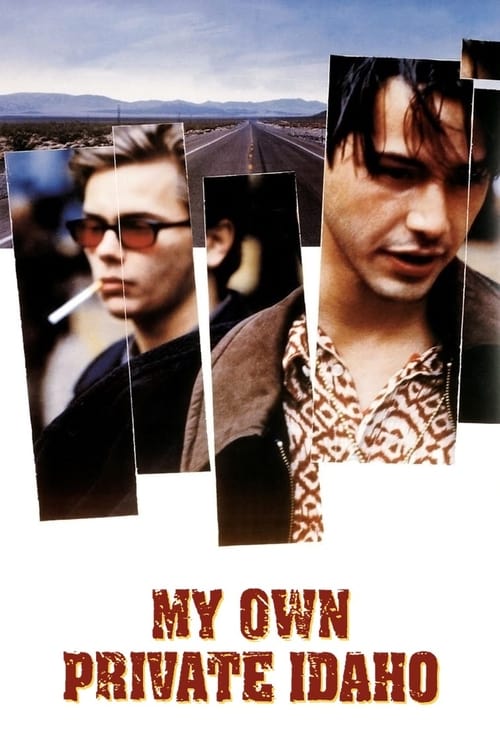
My Own Private Idaho
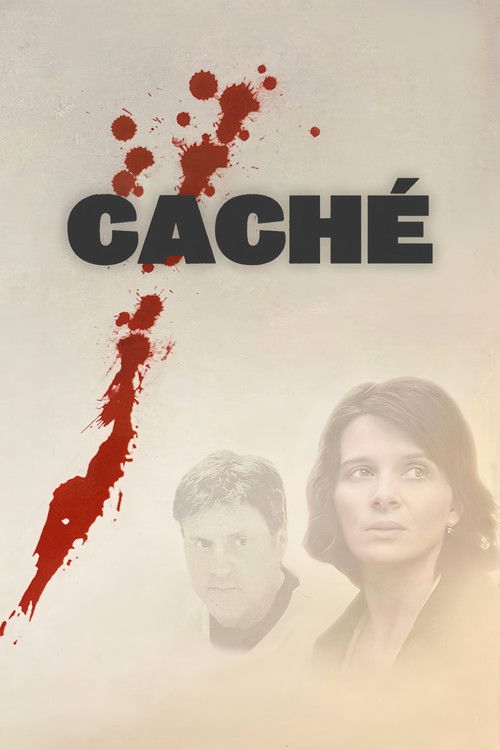
Caché
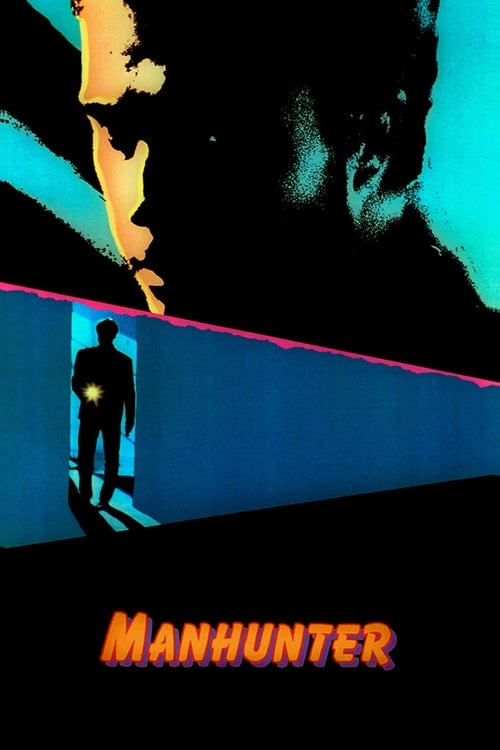
Manhunter

Akeelah and the Bee
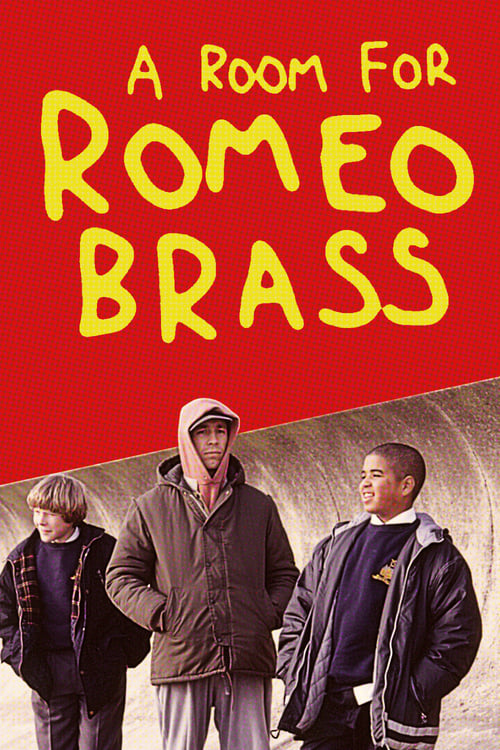
A Room for Romeo Brass
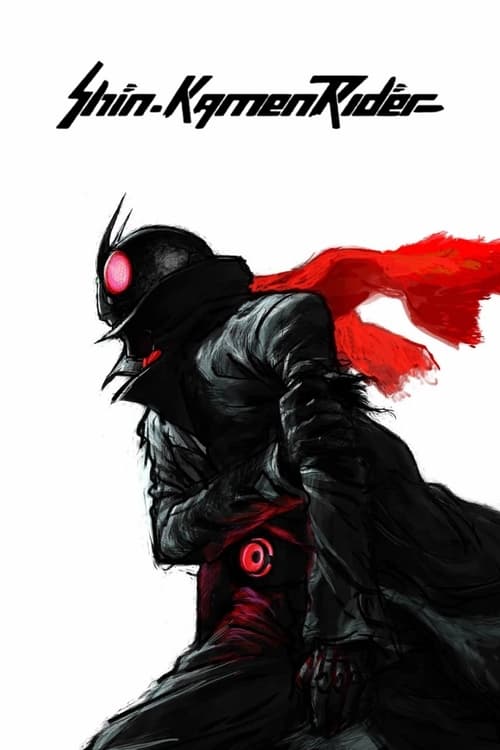
Shin Kamen Rider

To Leslie
Naked Lunch
Revolutionary Road
Lemon Tree
Capote
Heavenly Creatures
Valkyrie
Insomnia
Paradise Now

Gods and Monsters
Friday Night Lights

Ammonite
Fréwaka
Walk on Water
Tough Enough
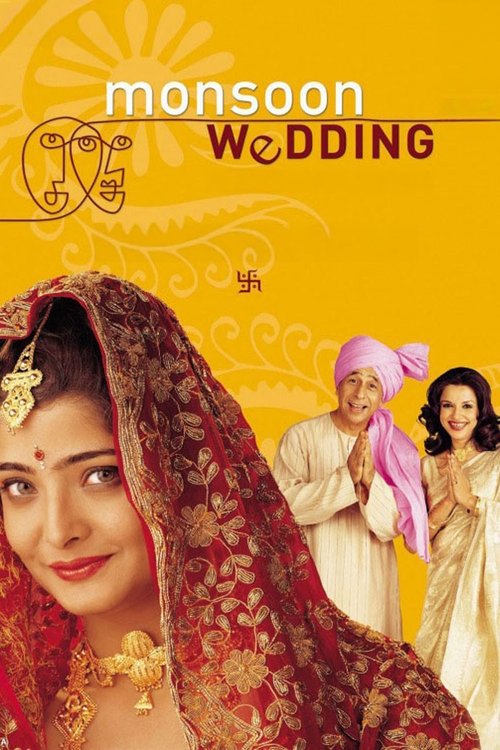
Monsoon Wedding
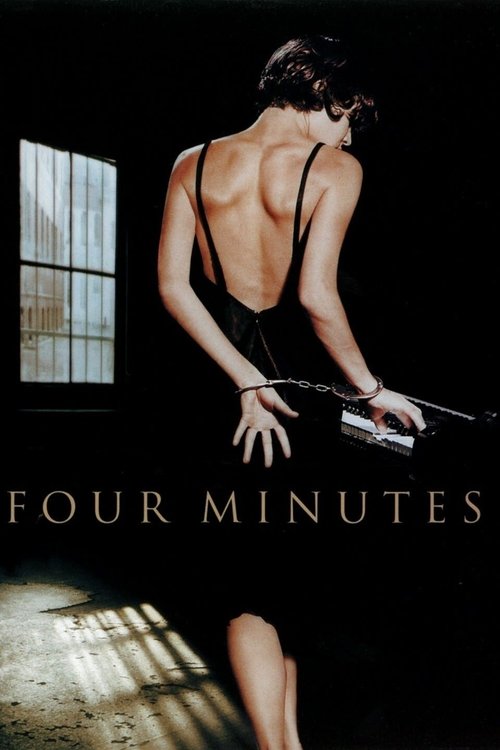
Four Minutes
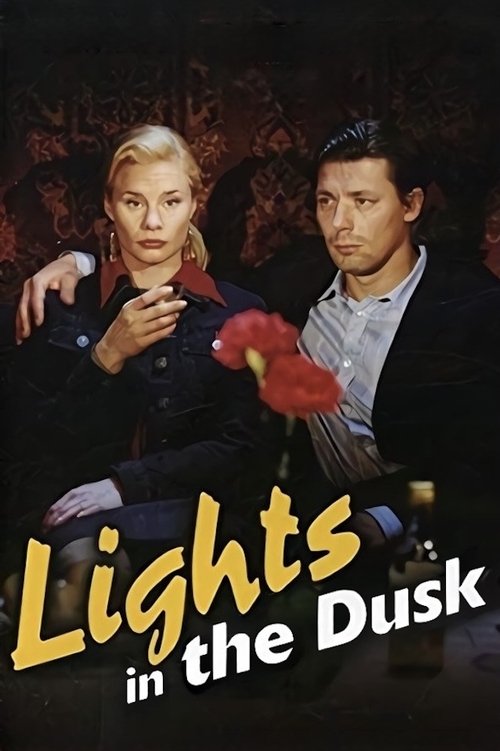
Lights in the Dusk

Tarnation
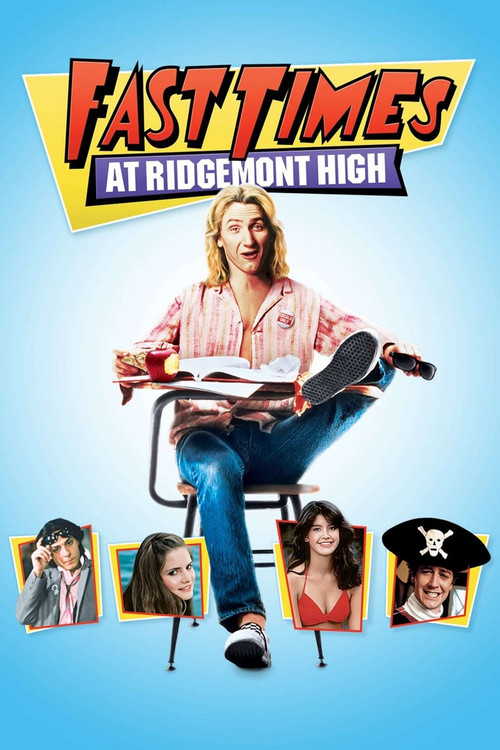
Fast Times at Ridgemont High
The Butcher Boy
Macho Dancer
Against the Law

Heck
Summer Storm
Fire
The Day After
Klute
Never Back Down
Swimming Upstream
Prince

Chasing Amy
All Stars
Lucas

Marie Antoinette

A Friend of Mine

The Wasting
Moffie
She Paradise
Bones and Names
Jarhead
Charlie Bartlett
Stir of Echoes
The Third One
Avalon
Silent Hill

The Strange Ones
My Son
Breach
To Die For
Wilde

Block Pass
Ìjọ̀gbọ̀n

Romería
The Place Promised in Our Early Days
The Page Turner
French Kiss
The Ninth Gate
Clean, Shaven
Pieces of April
Time to Leave
8MM
Rad

Far Side of the Moon
Dead Youth

Moondog Airwaves
The Greatest Hits
Photographs

Dead in Love
Reflections in a Golden Eye
Our Ladies
Things to Do in Denver When You're Dead
Big Bang Love, Juvenile A
Next Door
My Blueberry Nights
Italian for Beginners
A Mighty Heart

And the Band Played On
Mary Shelley's Frankenstein

Friday the 13th
Chaos Theory

The Lucky Ones
The Box
How to Blow Up a Pipeline
Battle in Seattle
When Night Is Falling
Chasing Ghosts
Unexpected Journey

Fatal Defense

Whistle

Jack
Tall Girl

Shortbus
Popular Music
Veronica
Deep Impact
Head On

Jamon Jamon

Getting Go: The Go Doc Project
The Hole
Killing Zoe
American Gigolo
House
Godforsaken!

The Bubble
Worlds Apart

Adoption
Crows
Rialto

The Acrobat
The Vanishing
Carrie
Youth Without Youth
I Got Life!

Mala Noche
My Child

Xenia

Double Lover

Eat the Night
Lonesome Jim
7 Virgins

The Life Before Her Eyes
The Damned Don't Cry
Human Nature
The Girl and the Echo
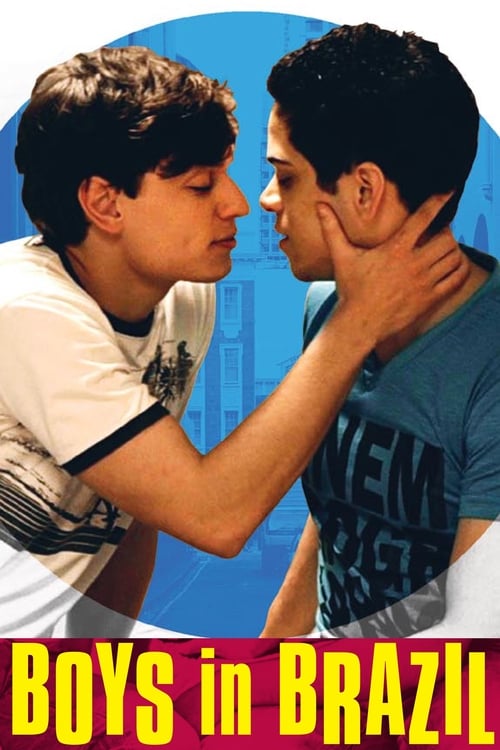
Boys in Brazil

Our Meal for Tomorrow

The Younger

Sea foam

Skin

Homecoming

Christmess
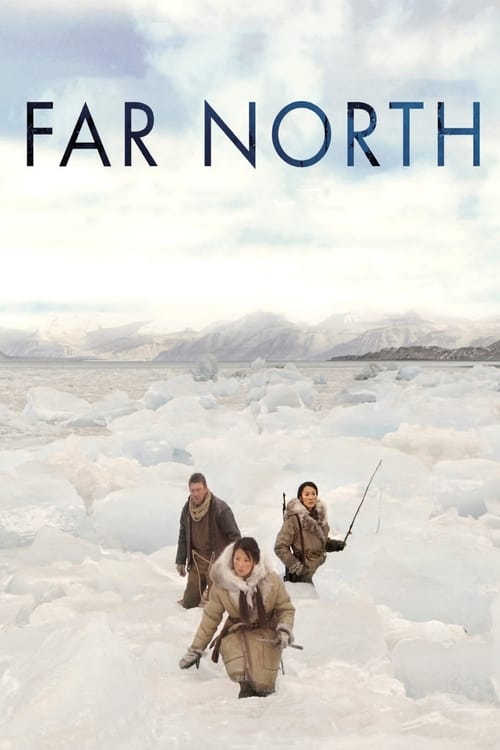
Far North
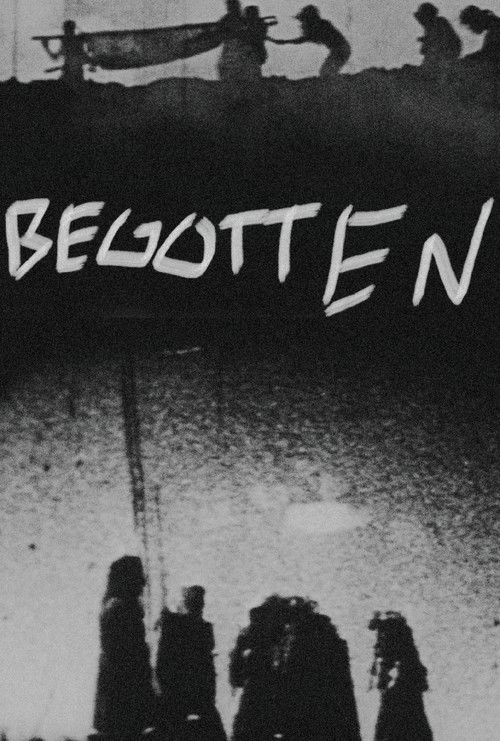
Begotten
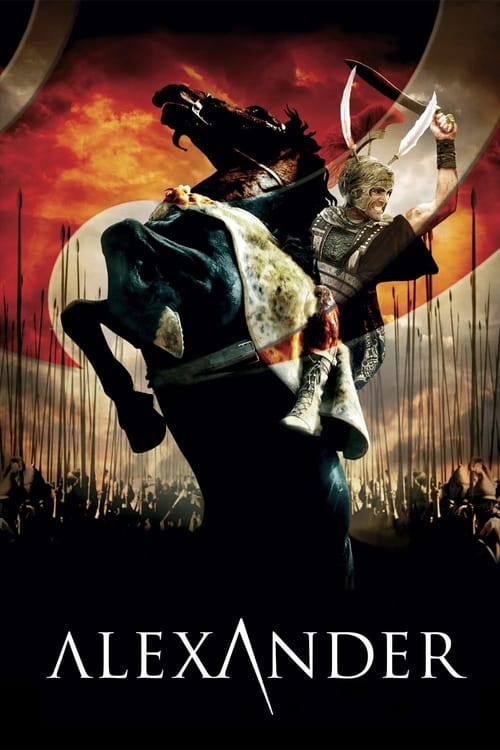
Alexander
Legion
Cobain
Henry Poole Is Here
California Schemin'
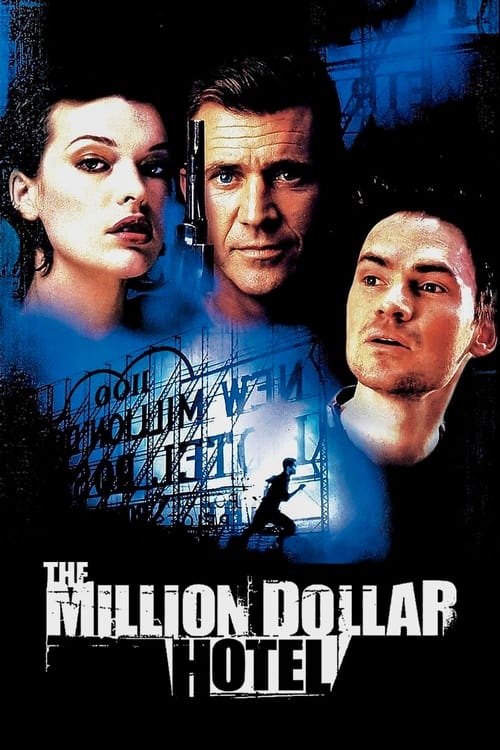
The Million Dollar Hotel

The Curiosity of Chance
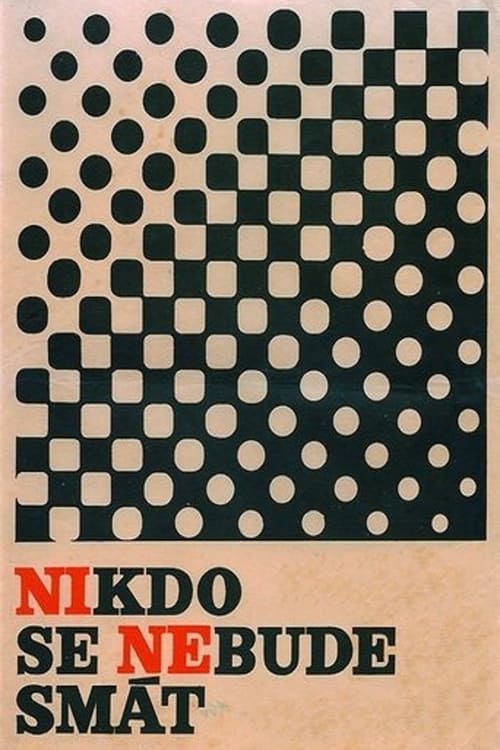
Nobody Will Laugh

When You Finish Saving the World
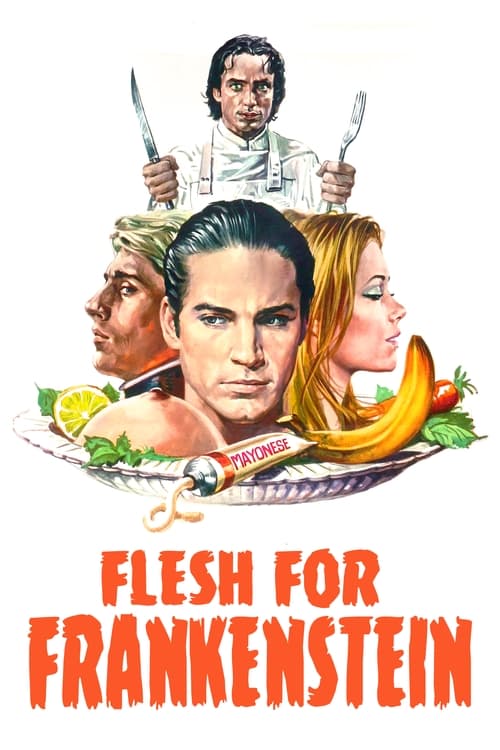
Flesh for Frankenstein

Friendship

Wonderkid

The Way Out

What We Find on the Road
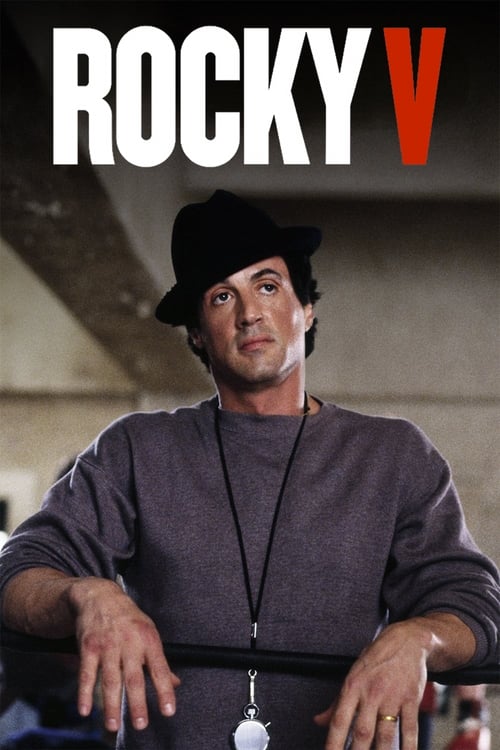
Rocky V
My Father, Die

Gun Hill Road
Whitney

Plastic Guns
After the Hunt
Vassalord.
The Rage: Carrie 2

Herculanum
A Skeleton in the Closet

Disciples in the Moonlight
Screw Mickiewicz
9 Songs

Aching Hearts
Alexander: The Other Side of Dawn

Silence in Dreamland

The Malatily Bathhouse
Never.
The Outlaw
The Broken
Teeth

Marble Ass

Ossan's Love: Love or Dead

This Place
The Lady Banker
To an Unknown God

Torrid Wave
The Pool
Lovely Man
Anchor and Hope
Zero One
Ratter

Doing Time on Maple Drive

Midsummer

The Choking Game

Count to 100
The Bug Killer

The In-Between
In Love Again
VeggieTales: The Ballad of Little Joe

Cherish

Almost Transparent Blue

Death Cabin

Remy & Arletta

The Writer

American Wages

The Last Goodbye

NUNCA TE FUISTE Y JAMAS TE IRAS
Nirvana
The Mess He Made
November
Omelette

Bwoy

Dyke Hard

Race d'Ep!

Requited

Queer Movie Beautiful
A Bottle of Wishes
Curse of the Re-Animator
Shem
We Are Thr3e

Fatima, Queen of the Night
Tale of the Lost Boys
Close to His Chest
Deceitful Appearances

While the Unicorn Is Watching Me
Süss, the Jew
Pink Ulysses
Inside
The Illiac Passion
Boys' Shorts

Shining Moon
The Transsexual
At Home
I Am Curious Gay

Edging

Under the Skin

Be There

Saint Drogo
Goldilocks and the Three Bears: Death & Porridge

Angelo
Haslers

Son, I Love Your Mouth 2: The Taste of the Forbidden
The Party at Kitty and Stud's
Flexing with Monty

Boys Like You
Walk a Crooked Path
The Harrad Experiment

Unsaid

Pulse
Revolution

Everything Will Be Fine
Tropical Night
Bye Bye Victor
Naughty Boys

The Perrot Case

I'm Not Afraid
Santuaryo

Coming Out Party

I Love Hooligans

Ocaso

Bringing Him Back

Butterfly

Green Light

666: Kreepy Kerry
Victoria Rosana Maite

A Man Called Norman

Mixed Christmas

This Side of Heaven

Hunger

Poz

Samira

Natural Woman 2010
Anna and Edith
Dusk

Tree House
Sad Boyfriend

#Starvecrow
Room in Lisbon

Puppy Love

#MerrittXanadu44

Fee
Trilogy of Our Lives Undone

Diamonds in a Bucket

Die Pantherin
Fish Tank

Walking with Shadows
Sanctuary

Avec ou sans toi
Je ne suis pas comme ça

Three or Four Things I Know About Vishnu, The Preserver

Lips of Demise

The Three Brothers

Mo ci guan dong wang

眷恋

OUT RUN

Sleeping Bear
The Bee-Eaters
Tranquility

Love's Baby Soft

Indestructible

A Fuckboi Story

Profanía

Xia Ri Shi Guang

Dinner

One Hit Wonders

SLEIGH!

El Conejo

Please Don't Go Looking

Ángel de Plástico

Fly High Little Hearts
Really Happy Someday

Summer's End
Piecht

Dry

Parfum

The silent cry of the trees

Neon Rage

Body of Crime

The Ridge Grave Girls

Melissa

Shadows

Frick!
The Way of Generations

Investigations of a Breakup
Vera
No Family Without Blood
Finger Guns
Thanks to the Hard Work of the Elephants
Sorry, We're Dead

Anomaly

August

CaterKillar

Paraíso

Courts mais Gay : Tome 3
Letters To Freedom

5938마일

Verónica

KAPPA

Caio

Die Seelenwandler - Das geheime Schicksal

A Day Apart on the Seventeenth

Mutilation

Ruth

Poligala

Martyr

Writer's Block

Love Songs CD
Letters from a Father

between the walls

MERAHEFET

Muse
Outdrawn: The Epilogue

Can You Hear Me?

Hunger! Or: Foggy Recollections from the Childhood of Adam Veneer (as mediated by Dr. Tanya Connoway, PsyD)

Three Walls and a Window

Anytime You're Feeling Lonely

Skintown

Naquele banco

Resonance
Bunny Eats Tiger

Esquisse

Rescued
Dæmon

Summer Interlude
Ben & Lucy
Mildlife

Screamboat 2: Nothing Stays Dead
Darshan
Road to Recovery

happiness

Don't switch on the light
Cigarettes
Forever Running Away

Between Icebergs and Gaucho Pants
The Girl

Philia

Return to Your Dreams

Esta Noche
Untitled
Untitled
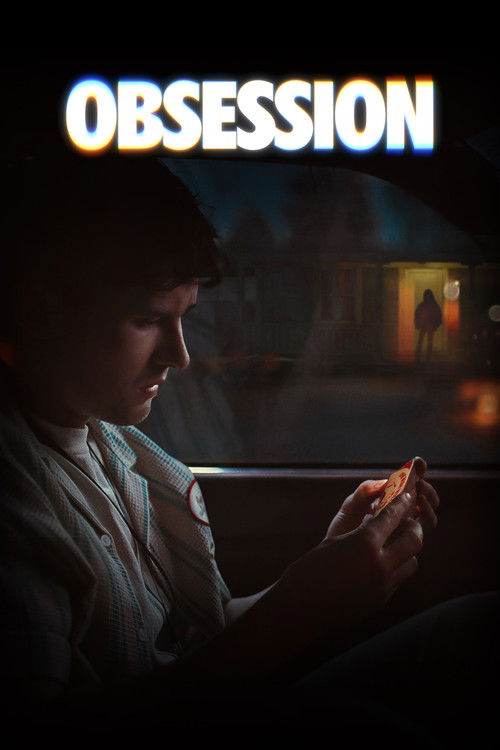
Obsession
Donnie Darko
Mulholland Drive
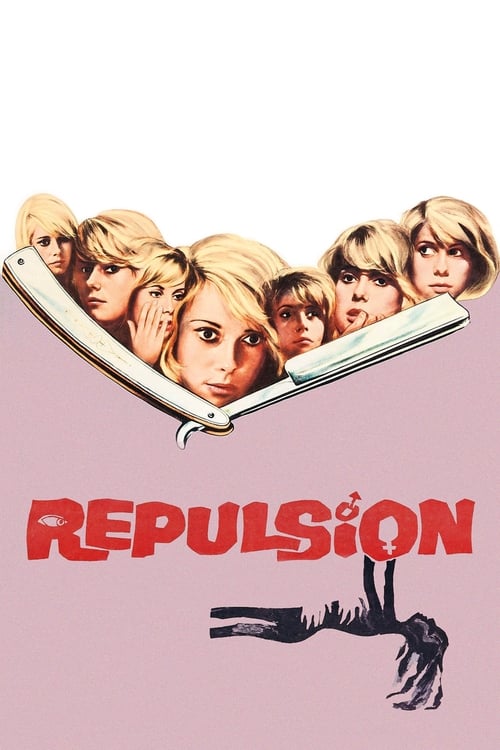
Repulsion
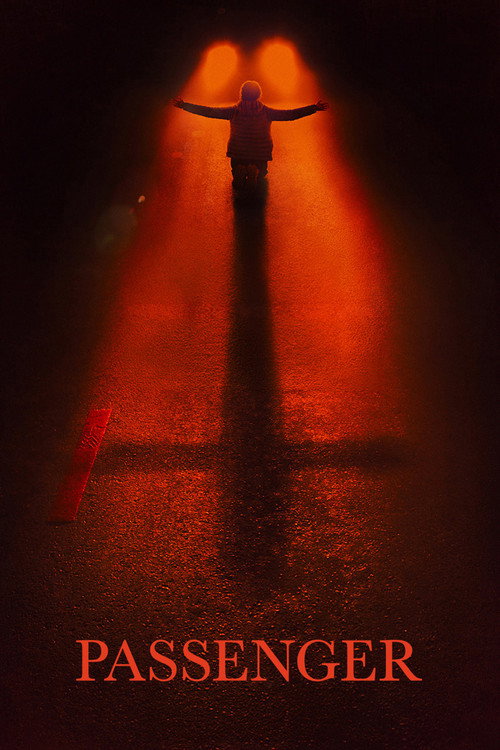
Passenger
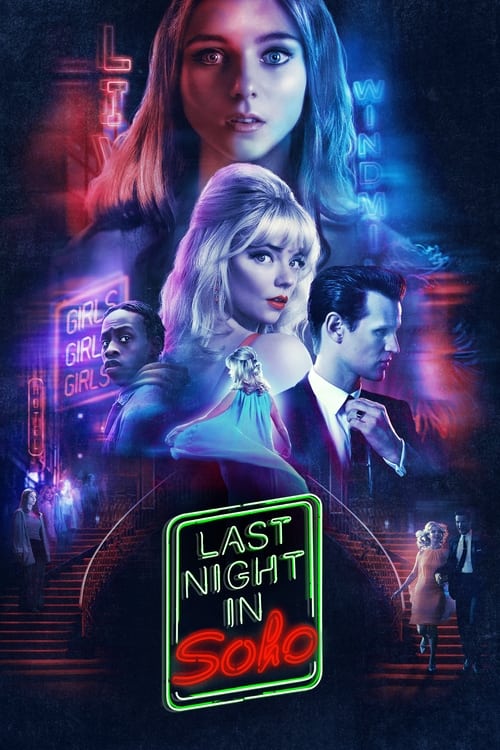
Last Night in Soho
Videodrome

Poltergeist

Midsommar
Talk to Me
Backrooms
Final Destination Bloodlines
Closet Monster
Dressed to Kill
Summer of 84
Kids

Pariah
Ginger Snaps
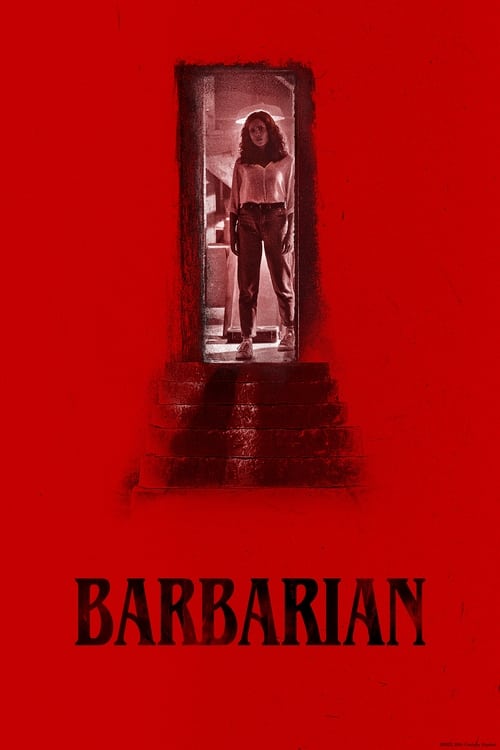
Barbarian
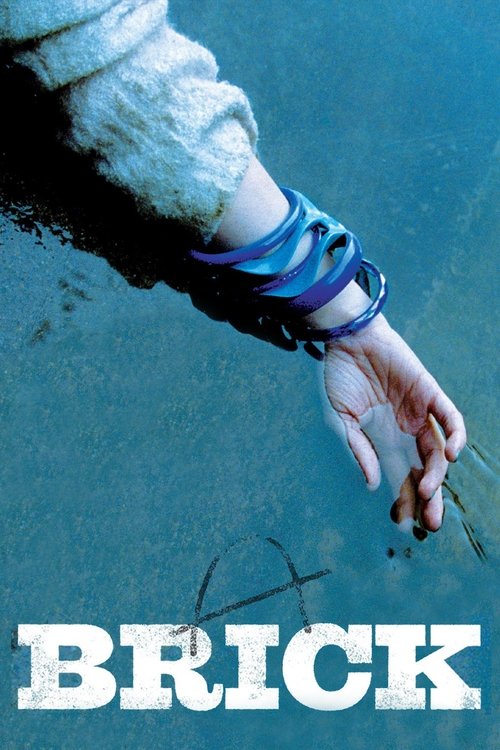
Brick
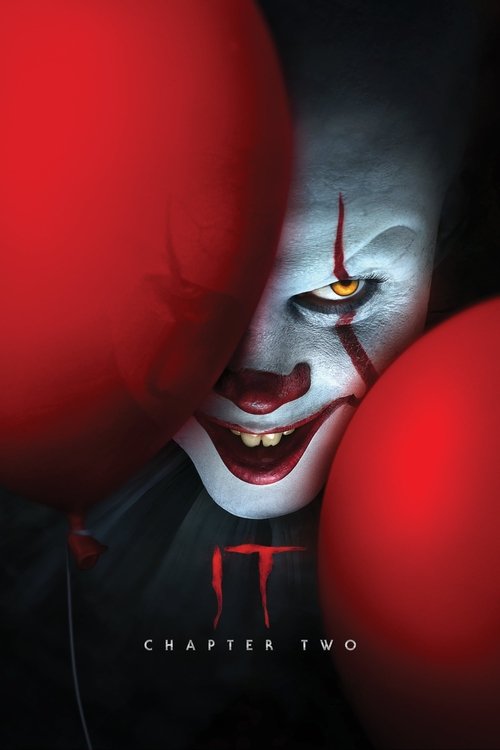
It Chapter Two

Nosferatu

Boys in the Trees
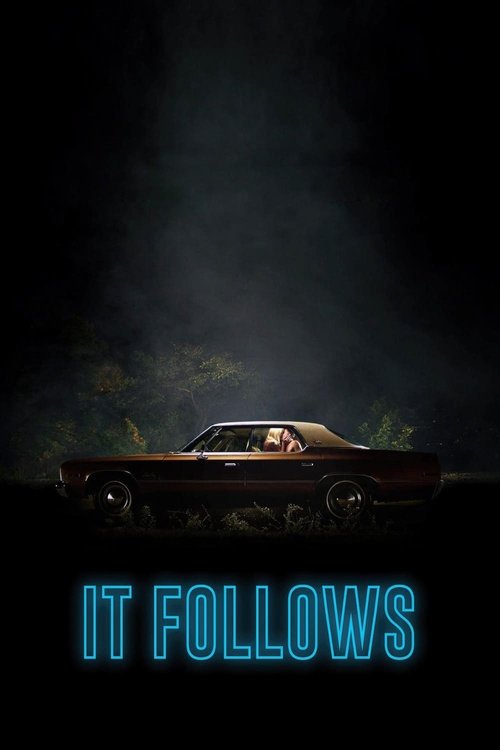
It Follows
Look Away

Wes Craven's New Nightmare
Ghost Stories

Night Teeth
Come Play
Lights Out
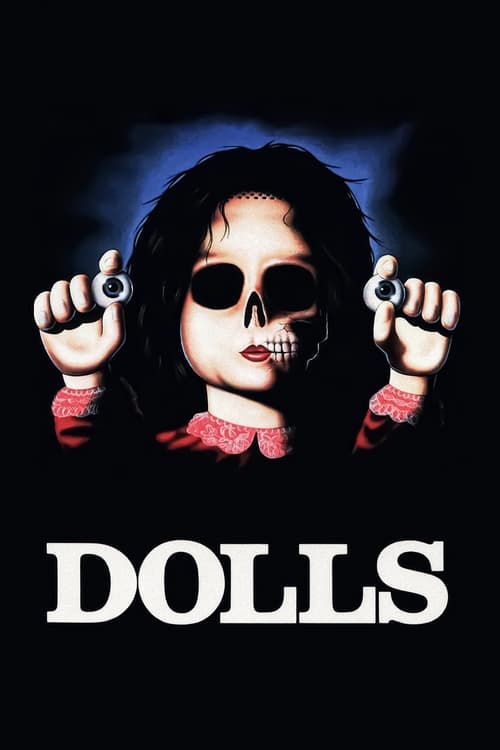
Dolls
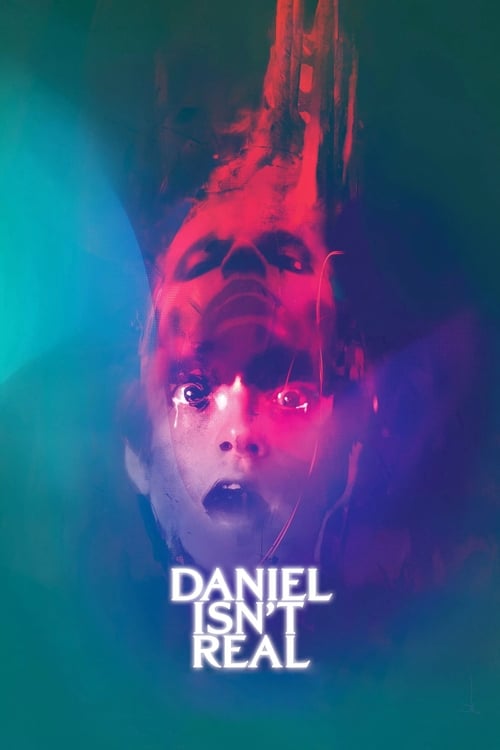
Daniel Isn't Real

Hello Mary Lou: Prom Night II
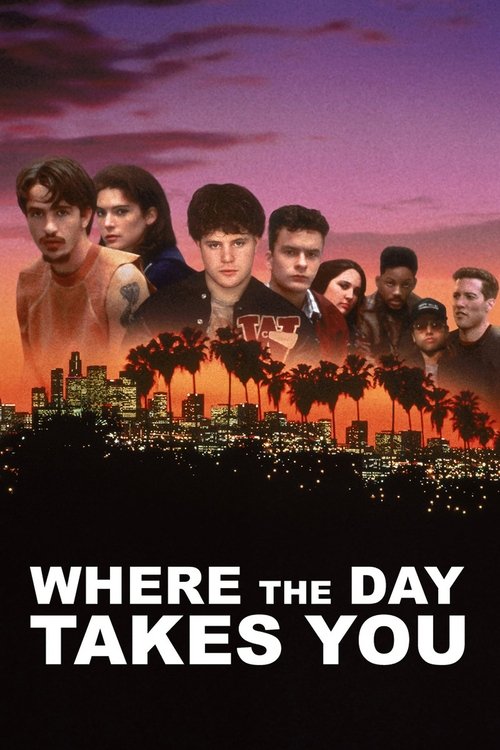
Where the Day Takes You
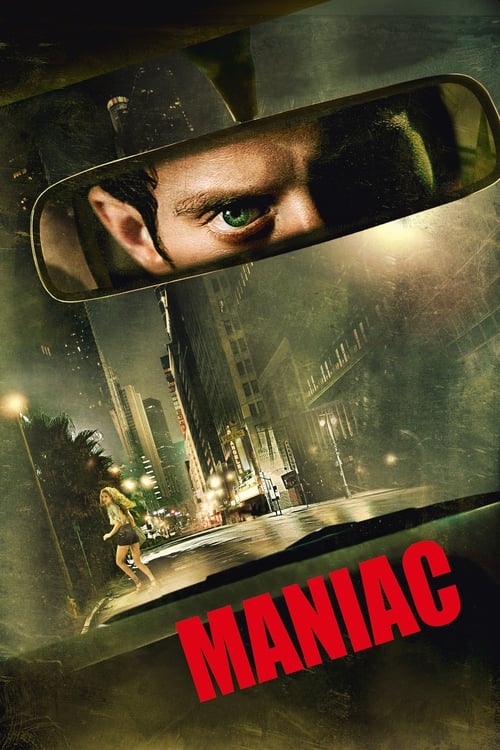
Maniac
Polaroid
Eli
The Transfiguration
Jan 18, 2024
Sundance Film Festival
Mar 10, 2024
South by Southwest Film & TV Festival
Mar 16, 2024
Green Mountain Film Festival
Apr 4, 2024
Los Angeles Festival of Movies
Apr 6, 2024
Overlook Film Festival
Apr 12, 2024
Ivy Film Festival
Apr 14, 2024
PFF SpringFest
Apr 24, 2024
New York City, New York
Apr 27, 2024
Dallas International Film Festival
May 2, 2024
Independent Film Festival Boston
May 3, 2024
New York City, NY & Los Angeles, CA
May 5, 2024
Chicago Critics Film Festival
May 10, 2024
Seattle International Film Festival
May 17, 2024
Jun 14, 2024
Jul 30, 2024
Blu-ray
Sep 20, 2024
Max
Sep 21, 2024
HBO
© 2025-2026 MovieNight. All rights reserved.
Versus
Sign in to play →
Silo
2021

The Muppet Show Season 1 Crew Video
1976
Sign in to vote
Battle your watched movies head-to-head
Community Top Movies
Evil Dead II
1987 · 14 wins
The Dark Knight
2008 · 14 wins

Halloween
1978 · 13 wins
Final Destination
2000 · 12 wins

Halloween II
1981 · 11 wins
Trivia
Leaderboard →Playing as a guest — sign in to save your score and rank on the leaderboard.
Movie Trivia
Guess the movie from a clue — tagline, plot, cast and more. Pick from four posters.
What movie experience do you prefer?
What is your favorite movie genre?
Versus
Sign in to play →
Silo
2021
The Muppet Show Season 1 Crew Video
1976
Sign in to vote
Battle your watched movies head-to-head
Community Top Movies
Evil Dead II
1987 · 14 wins
The Dark Knight
2008 · 14 wins
Halloween
1978 · 13 wins
Final Destination
2000 · 12 wins
Halloween II
1981 · 11 wins
Trivia
Leaderboard →Playing as a guest — sign in to save your score and rank on the leaderboard.
Movie Trivia
Guess the movie from a clue — tagline, plot, cast and more. Pick from four posters.
What movie experience do you prefer?
What is your favorite movie genre?
We use essential cookies to run MovieNight, plus analytics (Google Analytics) and advertising (Google AdSense) cookies. By continuing to browse, you agree to this — or click No and we won't. See our Terms & Privacy Policy to learn more.