
Get the MovieNight app
Add it to your home screen — faster & full screen
Get the MovieNight app
Add it to your home screen — faster & full screen
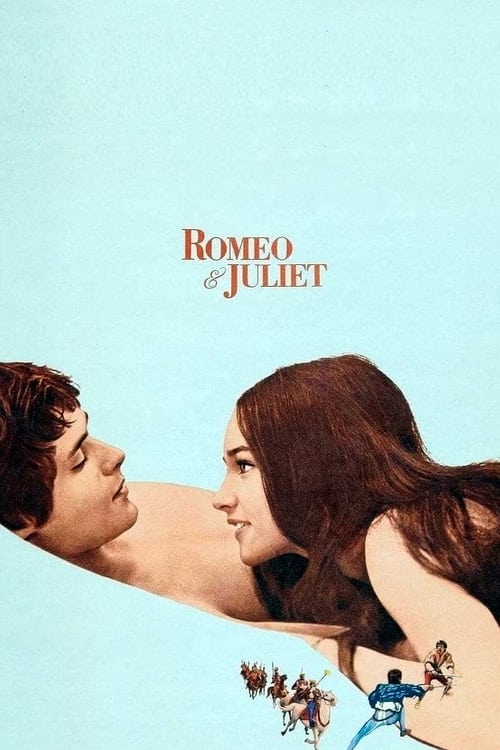
 Paramount Pictures
Not part of a collection.
No ordinary love story...
Romeo Montague and Juliet Capulet fall in love against the wishes of their feuding families. Driven by their passion, the young lovers defy their destiny and elope, only to suffer the ultimate tragedy.

Filipe Manuel Neto
Jan 31, 2023 · via TMDB
**Another fine adaptation of the Bard's masterpiece.** William Shakespeare is an author of all time. Everyone knows him, everyone considers him, even those who don't speak native English. It is a universal heritage, and “Romeo and Juliet” is his most important work. There is no end to the number of film adaptations: basically, “Romeo and Juliet” has been adapted to film for as long as cinema has existed. And it's hard to choose which one is the best, each one has its merits and demerits. I have some preferences, but I'm not going to lie, this adaptation deserves to be among the best. It's pretty obvious that Franco Zeffirelli tried everything to be absolutely faithful to the material and give us something realistic and powerful. In addition to trying to give us realistic sets and costumes with credible Renaissance touches, he filmed in Italy, making the most of the cities and ancient squares of various cities. He was also not satisfied with the famous actors of the time and looked for teenage actors capable of incarnating, with strong realism, the two central characters of the plot. The cinematography was also meticulously handled by the director, with a meticulous eye and surgical cuts. The result of all this remarkable work is plain to see: we are talking about a film released in 1968, when our parents were burning books in universities and shouting for revolution and free love, or fighting with guns in hand in some corner of Colonial Africa. The world seems to have turned a somersault in those fifty years, and yet the film is still impeccable, it looks magnificent, and it seems so fresh and new that it could almost be a current film. Nominated for four Oscars, it won two: Best Cinematography and Best Costume Design. Righteous. Leonard Whiting and Olivia Hussey give us the greatest interpretations of their careers, still in their teens, which is remarkable on the one hand, and sad on the other, as it denotes that they were not able to, with that, really succeed in the world of cinema. . Michael York also deserves a round of applause for his magnificent performance as Tybalt, and I also really liked Bruce Robinson, John McEnery and Pat Heywood. Unfortunately, it is not a film without flaws, most of which lie in the details that pass our attention. The first fault is, for me, the excessive light of some scenes, where the colors and the look of the film are strange due to the excessive light. Another problem has to do with the lack of ability to transform stage dialogues into cinema dialogues, that is, to transform the elaborate and theatrical lines that Shakespeare thought into something that would actually be feasible in the mouths of real characters. And I also didn't like that they cut the apothecary scene. Someone mentioned the nudity scene of the two main characters, and I can even find it understandable that this has offended some prudes, but it's a nudity that is understandable by the time the film was released... and honestly? Call me what you like, Olivia Hussey was quite beautiful, dressed or undressed.
CinemaSerf
Jun 25, 2022 · via TMDB
The location photography and the beautiful score from Nino Rota help make this, for my money, the best screen adaptation of this most tragic of Shakesperian tragedies. Add to those classic elements, a really strong cast that mixes new blood with those more experienced and we get a properly heart-rending iteration. The constantly feuding "Montague" and "Capulet" families dominate society in Verona. Despite this long standing animosity, the curious and charming young "Romeo" (Leonard Whiting) risks life and limb to attend the "Capulet" masked ball. It is there that he encounters the beauty that is "Juliet" (Olivia Hussey) and the two embark on a relationship that puts both themselves and their friends in great peril. Over the course of the next 2¼ hours, Franco Zeffirelli immerses us in the greatest love story in English literature, tempered with jealously and intolerance, petty vengeances and loads of humour as the youngsters struggle to comprehend the reason for this historic vendetta. Whiting has a freshness and exuberance as the young "Romeo" - his effort here makes it easy to see why "Juliet" would be drawn to his attractive boyishness. Miss Hussey, too, brings an innocence and optimism to her performance that, when the two share the screen, is really quite engaging to watch. To be honest, some of the supporting cast were a bit on the theatrical side - especially Robert Stephens' "Prince" and Michael York doesn't really shine in the crucial role of "Tybalt", but to compensate there are lively contributions from Pat Heywood as the nurse - always a fun character with this author; Milo O'Shea works well as "Friar Laurence" as does John McEnery as "Mercutio". It takes only a few liberties with the original script, and so the story flows along towards it's well known ending much as William Shakespeare might have imagined, which adds great richness to a dialogue that does require concentration, but is well worth the effort in the end.
User reviews courtesy of TMDB.
 Amazon Video
 Apple TV Store
 Google Play Movies
 YouTube
 Fandango At Home
Amazon Video
Apple TV Store
Google Play Movies
YouTube
Fandango At Home
Fandango At Home
Amazon Video
Apple TV Store
Google Play Movies
YouTube
Fandango At Home
 Spectrum On Demand
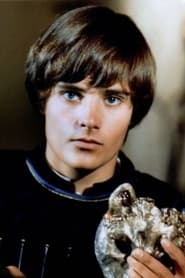
Leonard Whiting
Romeo
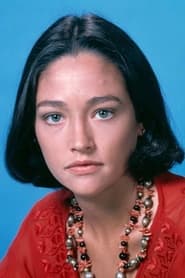
Olivia Hussey
Juliet
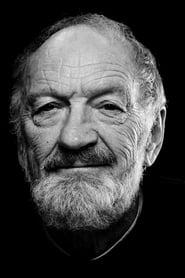
John McEnery
Mercutio
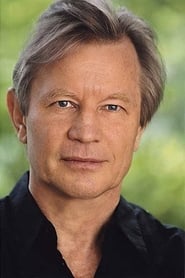
Michael York
Tybalt
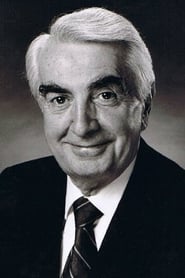
Milo O'Shea
Friar Laurence

Pat Heywood
the Nurse

Robert Stephens
the Prince

Bruce Robinson
Benvolio
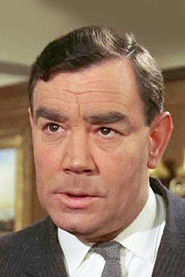
Paul Hardwick
Lord Capulet
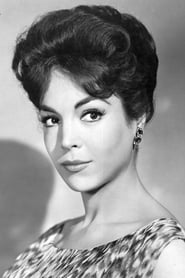
Natasha Parry
Lady Capulet
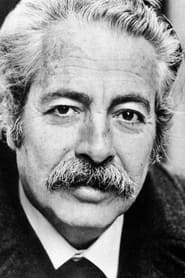
Antonio Pierfederici
Lord Montague
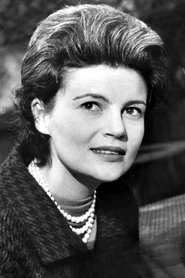
Esmeralda Ruspoli
Lady Montague

Roberto Bisacco
Lord Paris
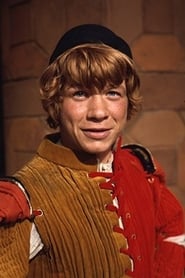
Roy Holder
Peter
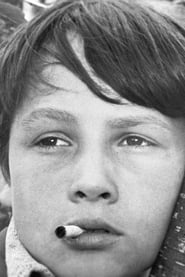
Keith Skinner
Balthazar
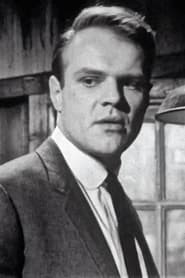
Dyson Lovell
Sampson
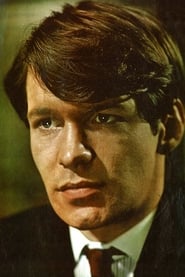
Richard Warwick
Gregory
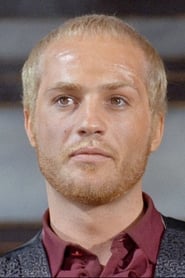
Carlo Palmucci
Complementary Role (uncredited)
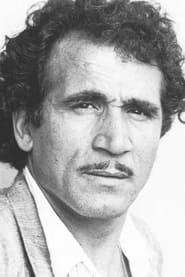
Salvatore Billa
Complementary Role (uncredited)
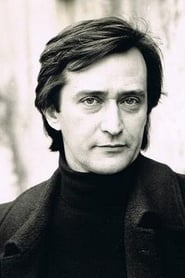
Claudio De Davide
Complementary Role (uncredited)
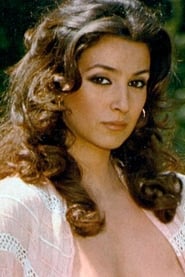
Paola Tedesco
Complementary Role (uncredited)
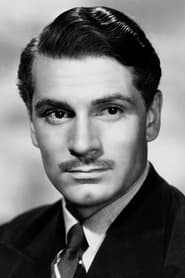
Laurence Olivier
Narrator (voice) (uncredited)

Andrés José Cruz Soublette
Complementary role (uncredited)
Pasqualino De Santis
Director of Photography
Danilo Donati
Costume Design
Christine Edzard
Set Dressing Artist
Dyson Lovell
Assistant Director
Franco Zeffirelli
Director
Dyson Lovell
Casting

Bruno Battisti D'Amario
Musician
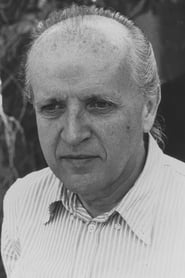
Nino Rota
Original Music Composer

Franco Brusati
Screenplay
Franco Zeffirelli
Screenplay
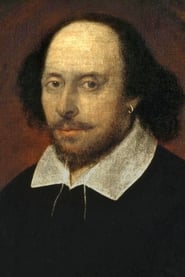
William Shakespeare
Theatre Play
Zwischen Flieder wandern und singen
Pohjalaisia
Olenko minä tullut haaremiin
Olenko minä tullut haaremiin!
Anna Liisa
Maryša
Romeo & Juliet (Part I)
Labyrint srdce
The Flesh of Another
The Crucible of Life
Dancing with Georgia
Chernobyl

Il y a longtemps que je t'aime
The Problem with Fiber Optics

People Of Walmart
Macbeth
The Wars of the Roses

12 Angry Men

Seven Samurai
Life Is Beautiful
The Pianist
A Winter Night's Dream
A Brighter Summer Day
Given
Scarface
Cabaret
The Elephant Man
Amadeus
Requiem for a Dream
Resurrection
Ugetsu
After the Fall
Ex-Bad Boy
Men of Tomorrow
Journey's End
Pinsiön parooni
The Dictator
Eternal Love
Naimisiin päiväksi

Todo por amor
Hamlet

Mimic
Million Dollar Baby
Rope
The Cranes Are Flying
Titanic
A Beautiful Mind
Ace in the Hole
No Game No Life: Zero
Before Sunset
Brokeback Mountain
Wings of Desire
3-Iron
Rocky
Der Schandfleck
Edward Scissorhands
Who's Afraid of Virginia Woolf?
The Young Girls of Rochefort
Fiddler on the Roof

My Fault
Stalag 17
Amores Perros

Memoirs of a Geisha
The Heidi Chronicles
Breakfast at Tiffany's
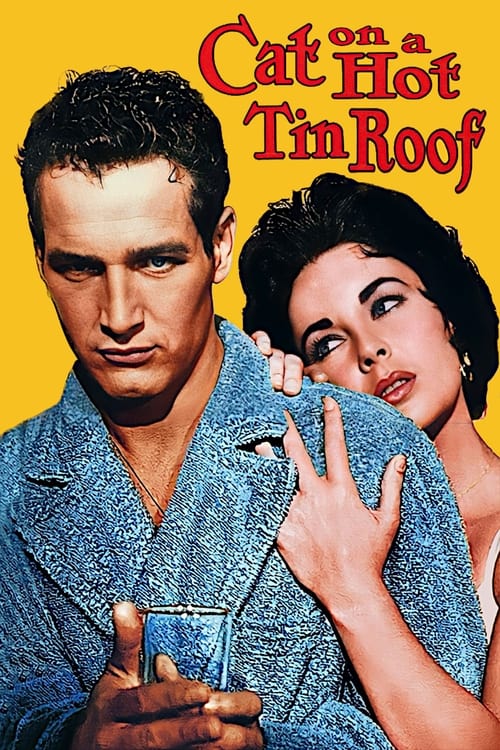
Cat on a Hot Tin Roof

Elevator to the Gallows
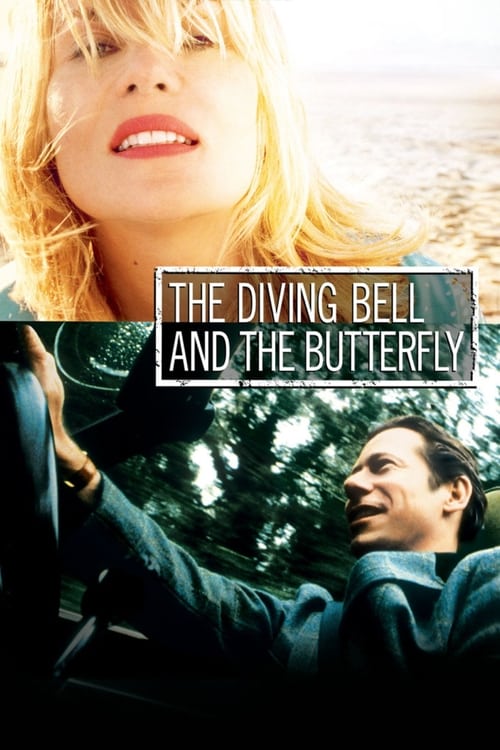
The Diving Bell and the Butterfly
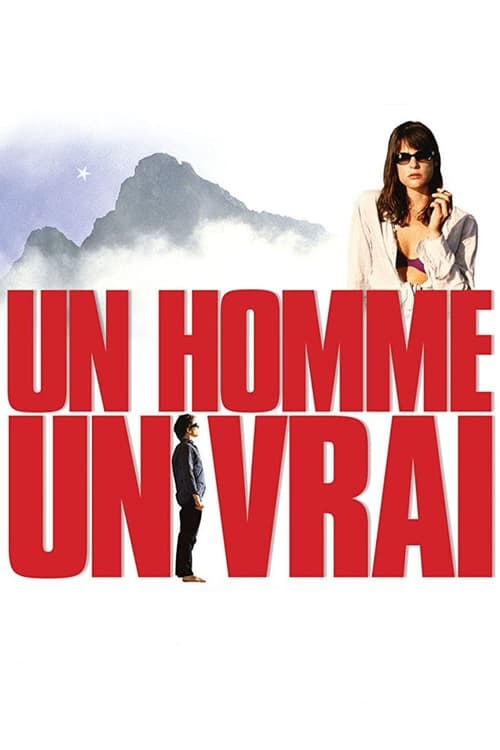
A Man, a Real One
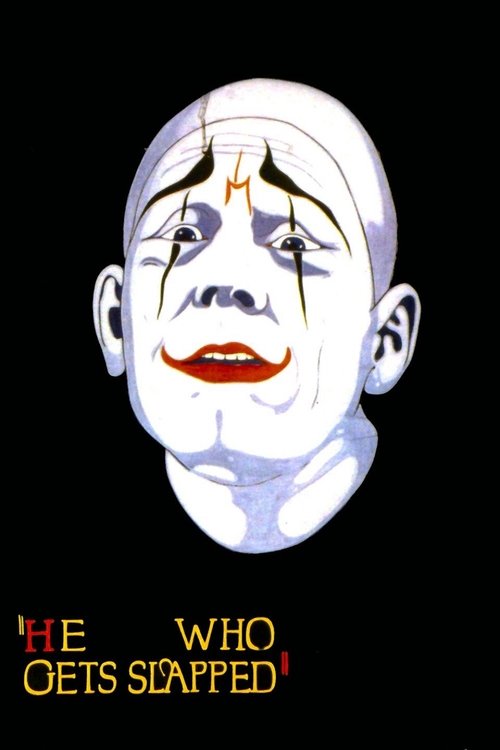
He Who Gets Slapped
Sunflower
Verlobung am Wolfgangsee
Black Narcissus
Mind Game
Happy Days
The Wiser Sex
Three Wishes for Cinderella
The Reader
Open Your Eyes
Welcome to Dongmakgol
Being John Malkovich

Live and Become
Trouble in Paradise

Frida

Irma la Douce
Hobson's Choice
Laugh, Clown, Laugh
Meet Joe Black
Grease
The Stage
Sissi
Greed
Lovers of the Arctic Circle
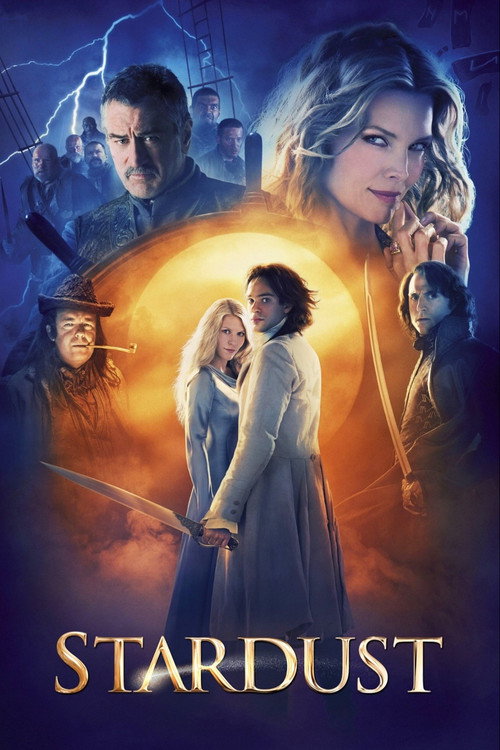
Stardust
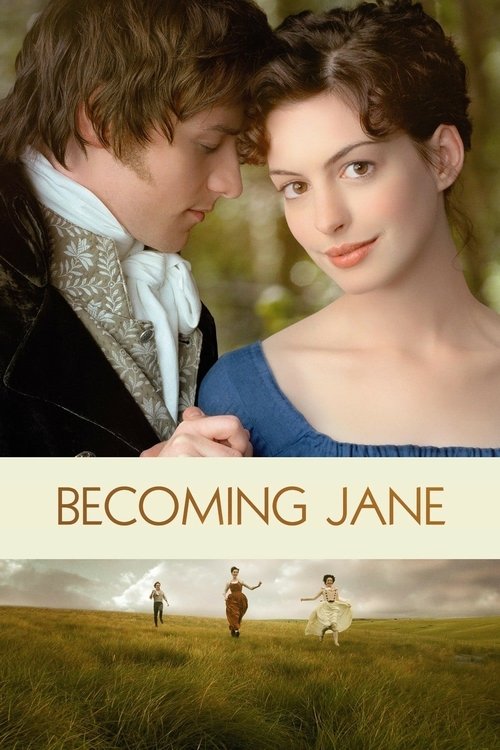
Becoming Jane
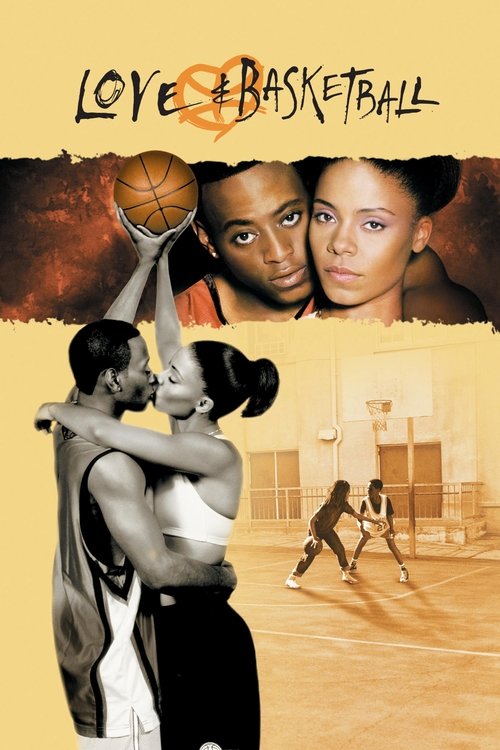
Love & Basketball
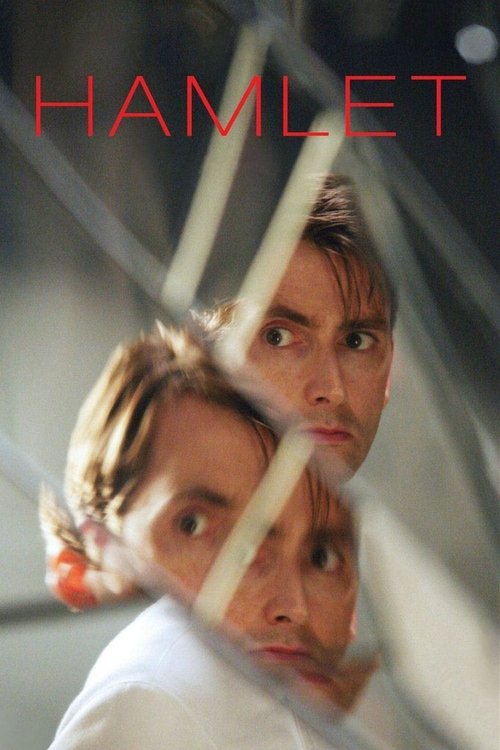
Hamlet
Night and Fog
Torch Song Trilogy
Battle Royale
The Edge of Heaven
Driving Miss Daisy
West Side Story
Murder, My Sweet
Lars and the Real Girl
The Talented Mr. Ripley
The Dreamers
The Wedding Banquet

The Night of the Iguana
84 Charing Cross Road
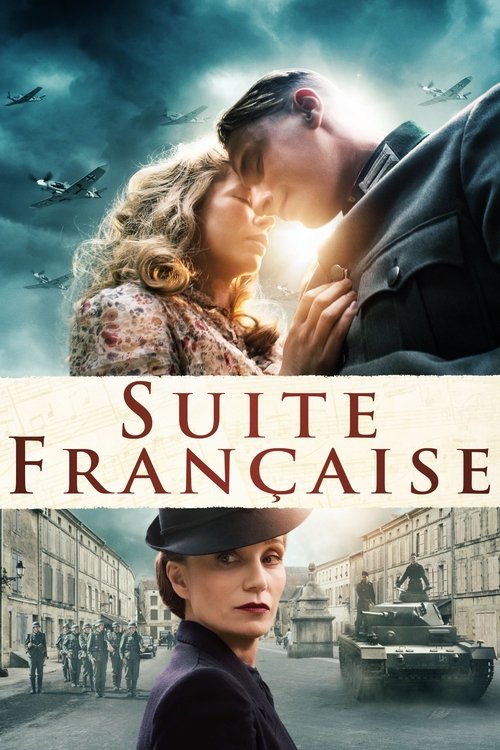
Suite Française
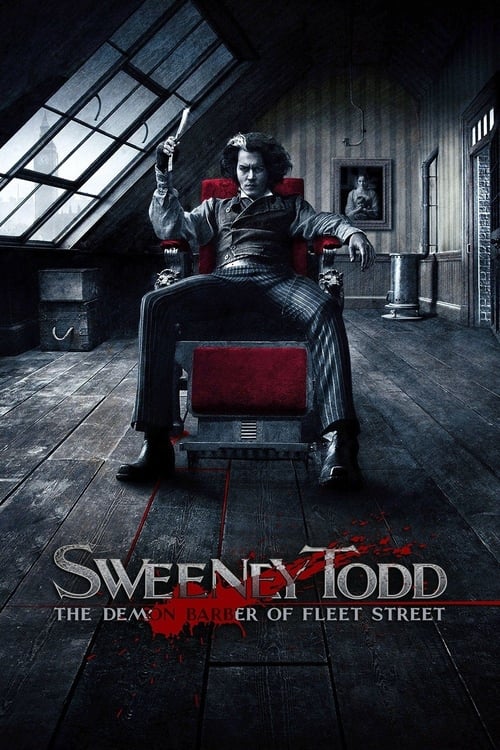
Sweeney Todd: The Demon Barber of Fleet Street
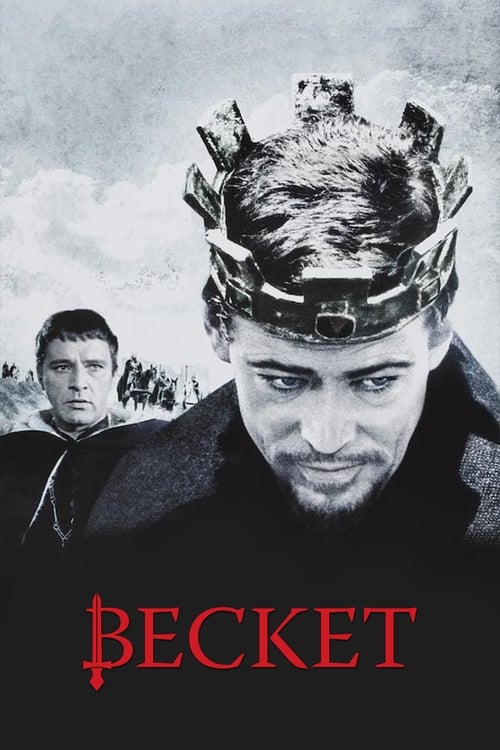
Becket
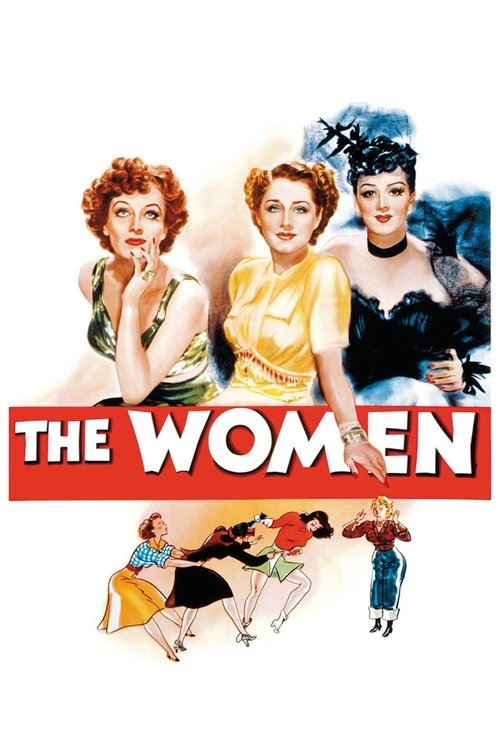
The Women
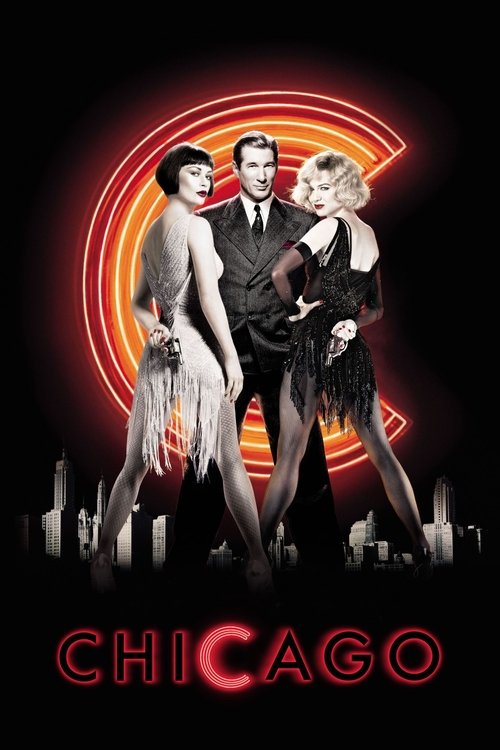
Chicago
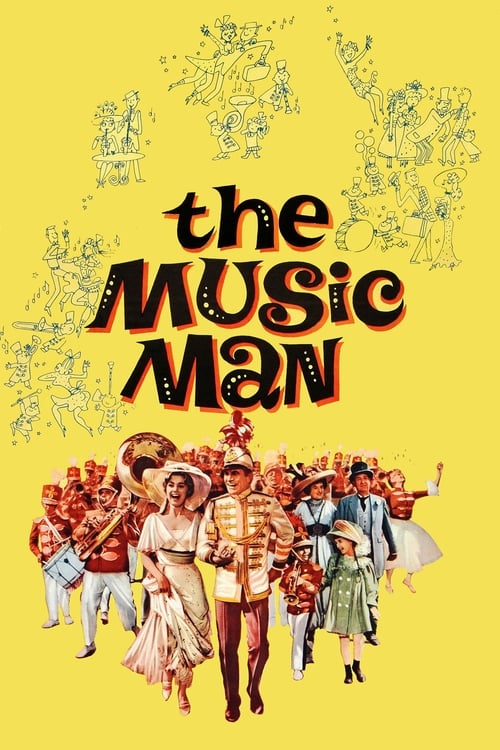
The Music Man

The Spanish Apartment
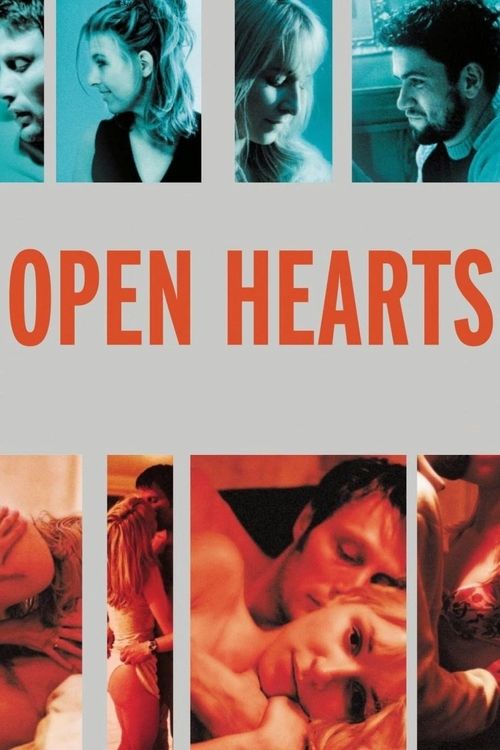
Open Hearts
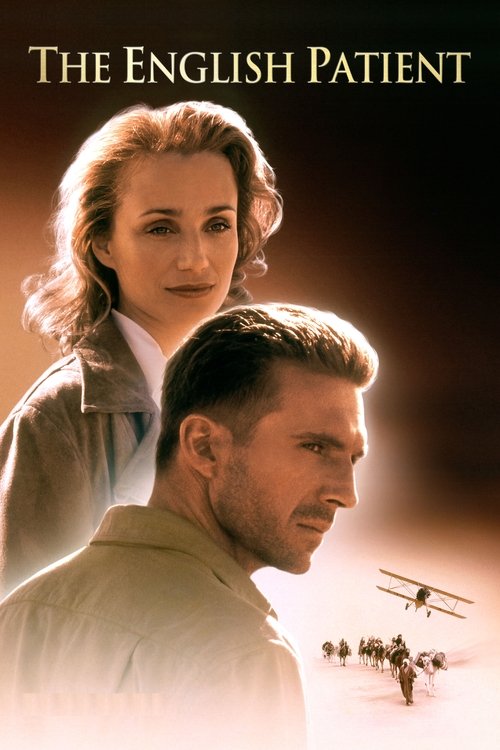
The English Patient
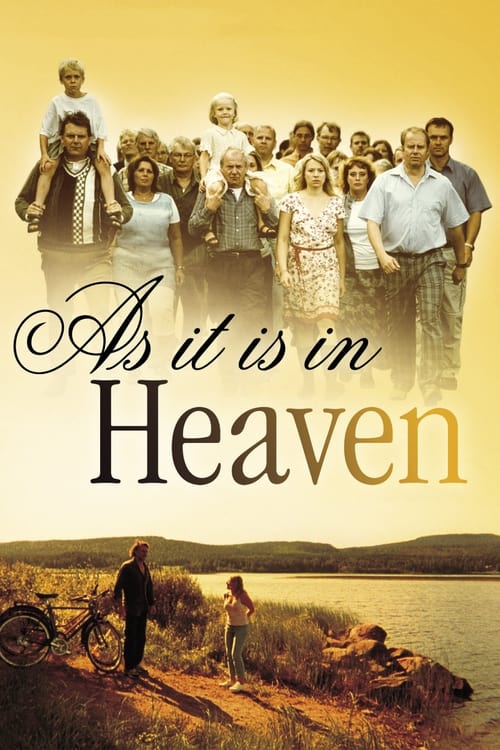
As It Is in Heaven

The Man Who Loved Women
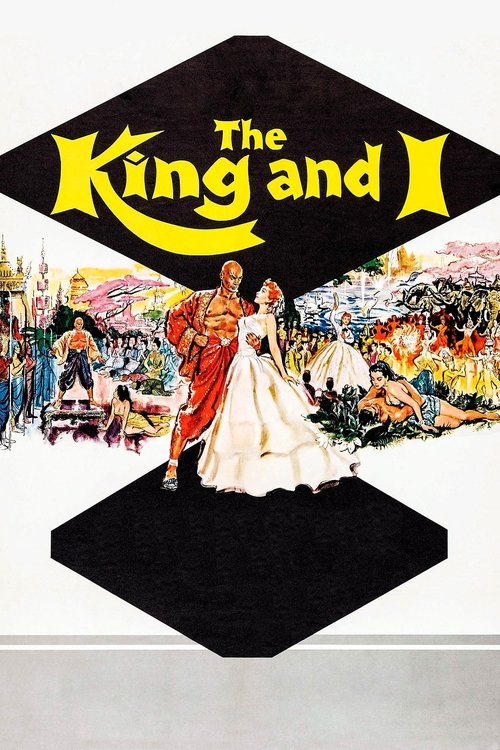
The King and I
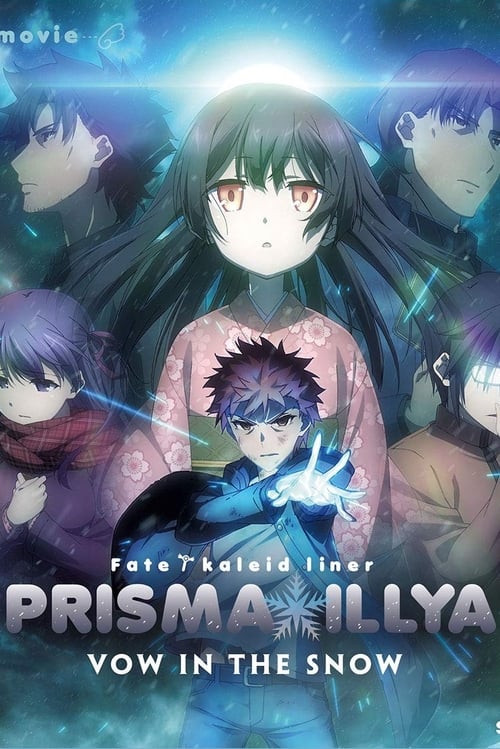
Fate/kaleid liner Prisma☆Illya: Vow in the Snow
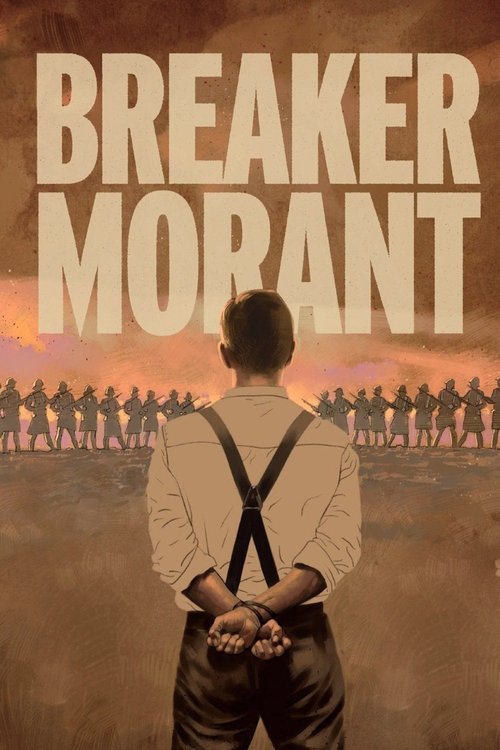
Breaker Morant

Mean Streets
The Country Girl

An Officer and a Gentleman
Wild at Heart
No End

In My Father's Den
Jezebel
À San Remo
Gucha!
Indochine
Die blonde Christl
Kalt ist der Abendhauch
Auntie Mame

Hana & Alice
Deserted at the Altar
Natalka Poltavka
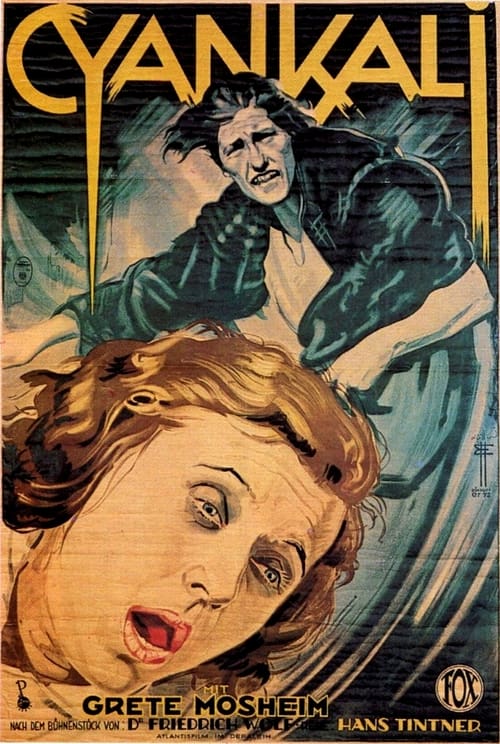
Cyanide
Agony
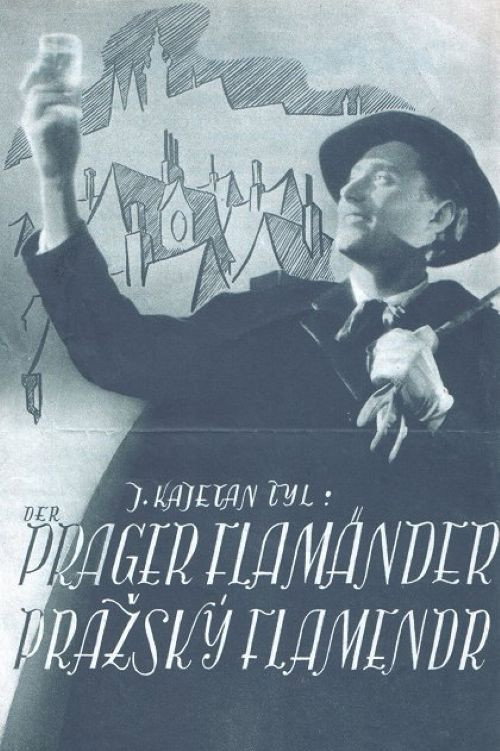
Pražský flamendr
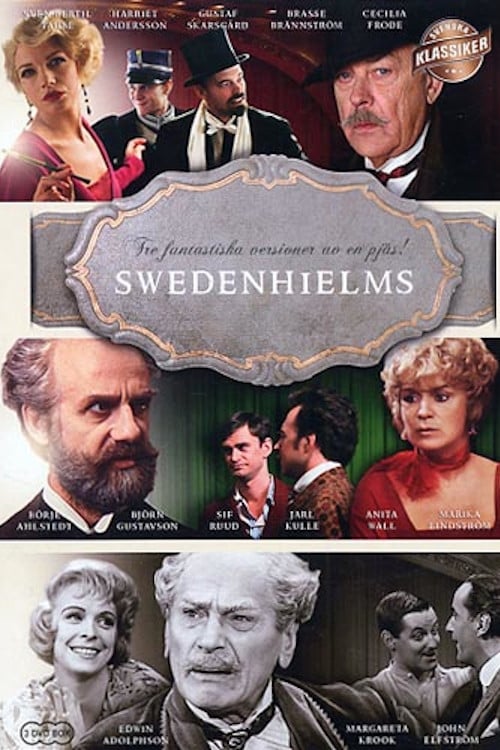
Swedenhielms
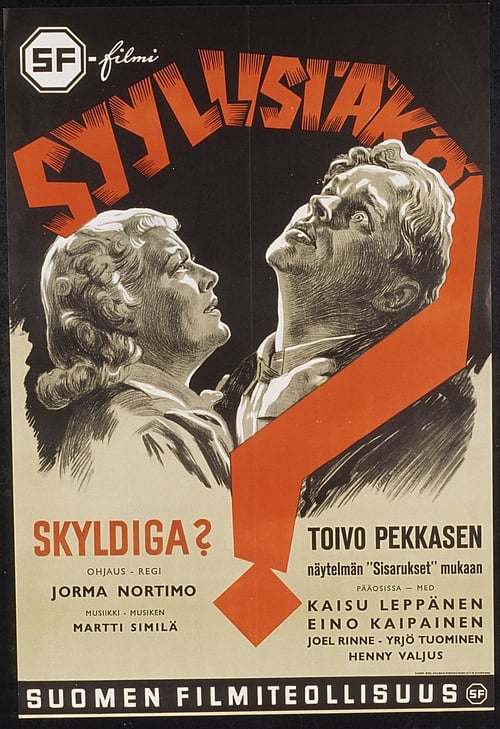
Syyllisiäkö?
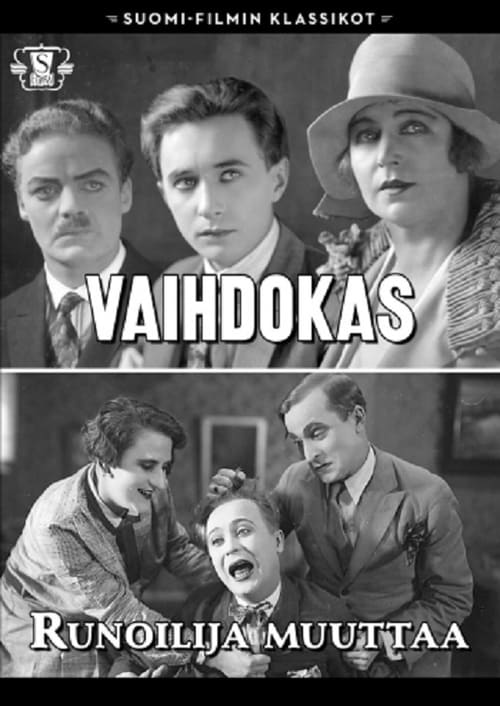
Vaihdokas
Věra Lukášová
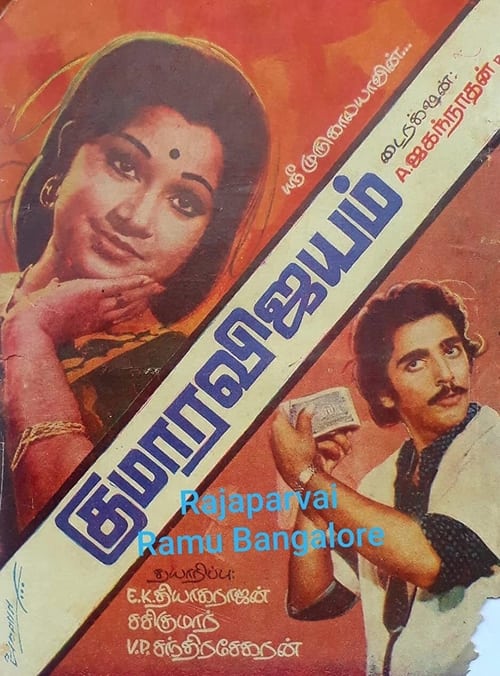
Kumara Vijayam
Dvaasedmdesátka

Mordová rokle
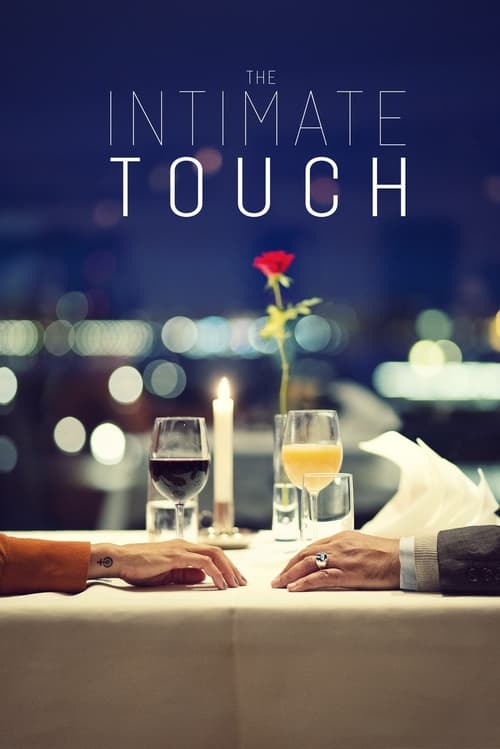
The Intimate Touch
Maryland
Angel & Demon
Cold Mountain
West of Zanzibar
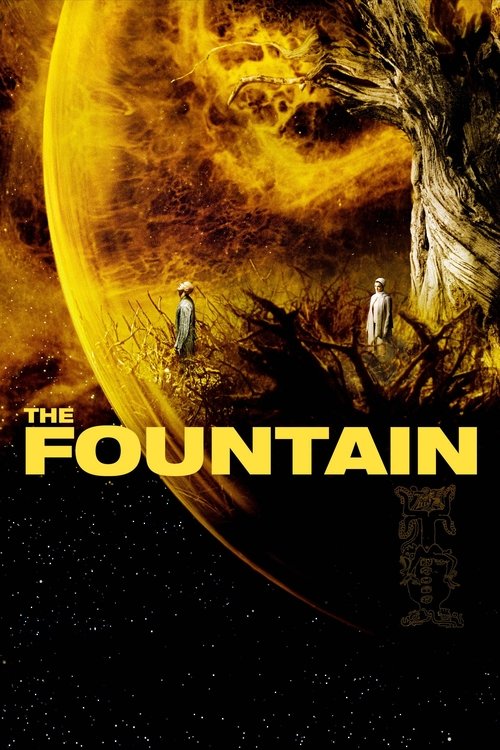
The Fountain
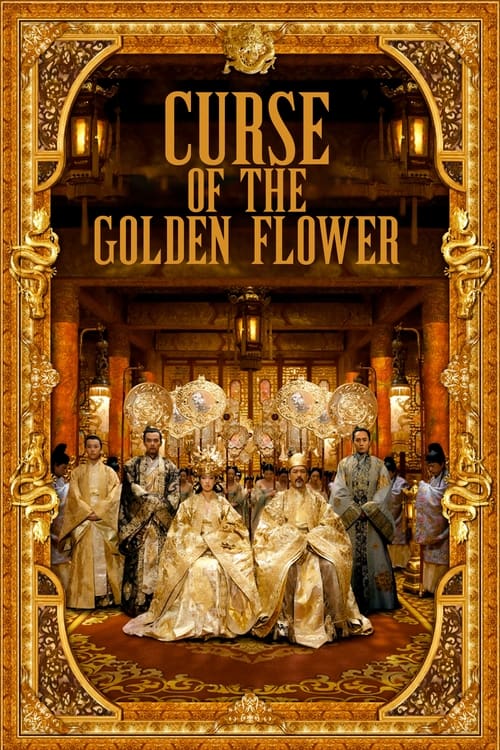
Curse of the Golden Flower
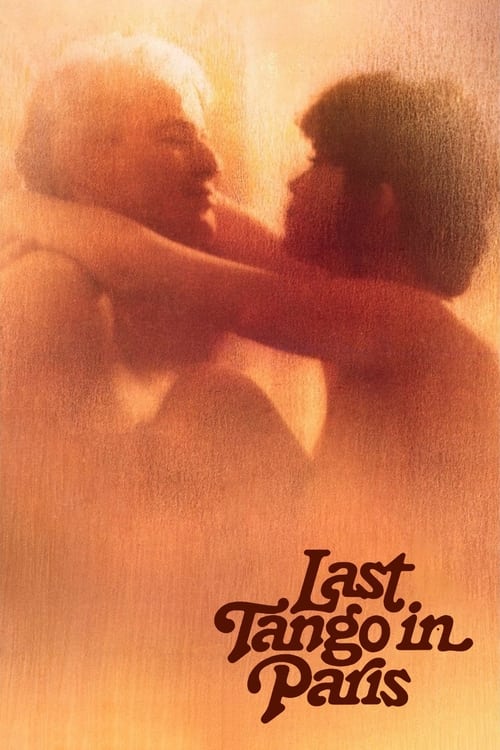
Last Tango in Paris
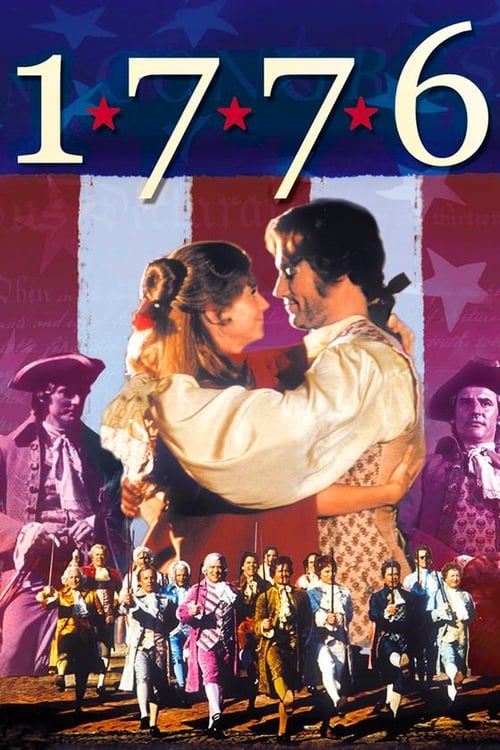
1776
The Taming of the Shrew
Dark Victory

Educating Rita
Out of the Blue
August: Osage County
Rent
Vanilla Sky
Closer
Muriel's Wedding
Lights in the Dusk
Balzac and the Little Chinese Seamstress
Aimée & Jaguar
The Light
The Importance of Being Earnest

The Big Kahuna
Twin Sisters

Syndromes and a Century

Follow the Fleet
Dinner at Eight
Summer Storm
Monster's Ball

Romeo + Juliet
Sixteen Candles
Chinese Coffee
Hamlet Goes Business
Sex and Lucía
Berlin Tunnel 21
Bonjour Tristesse
Return to Me
Love in the Time of Cholera
Dying Young
Henry V
Happy Journey
Spider Thieves
Lady Chatterley's Lover
Tristan & Isolde
Am I Beautiful?
Hairspray

The History Boys
Mississippi Mermaid
Oklahoma!
Grill Point
Bell, Book and Candle

Infinity

And Along Come Tourists
Dog Days
Rabbit Hole
Mack the Knife
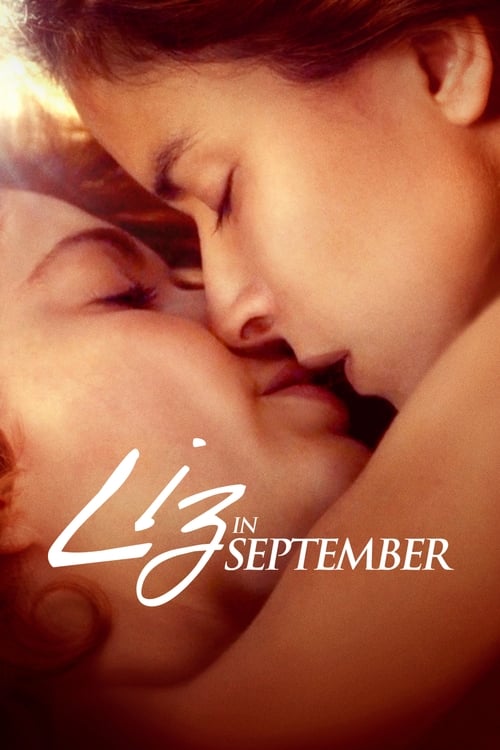
Liz in September
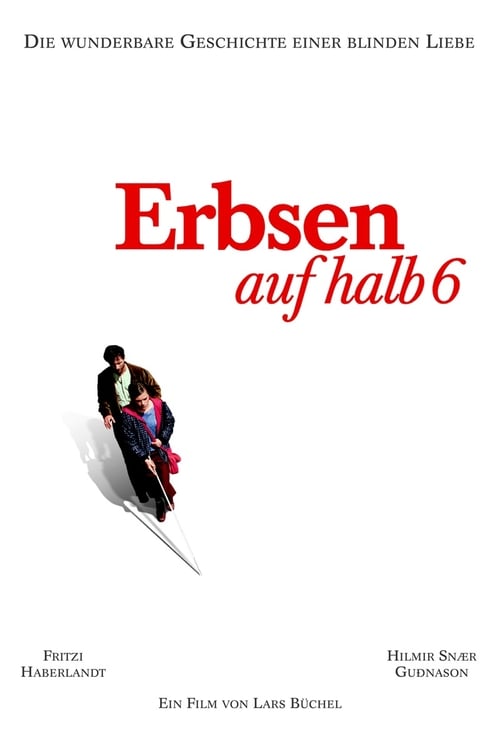
Erbsen auf halb 6
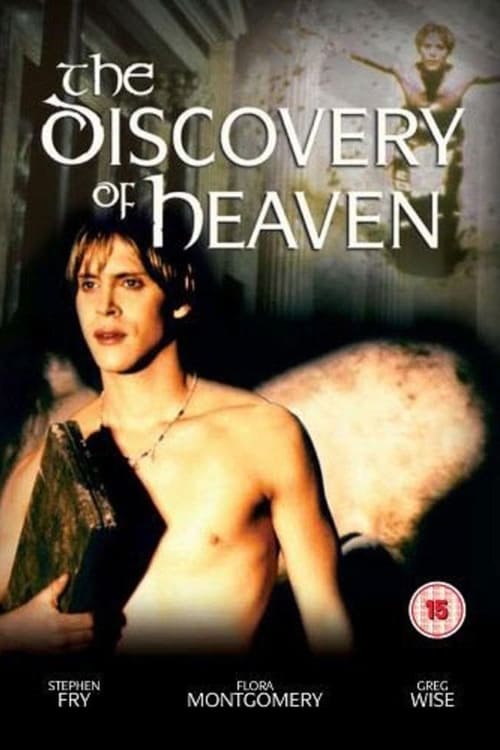
The Discovery of Heaven
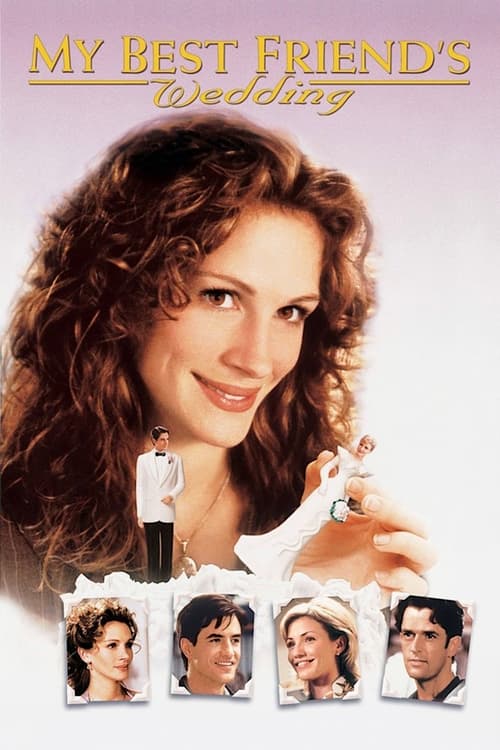
My Best Friend's Wedding
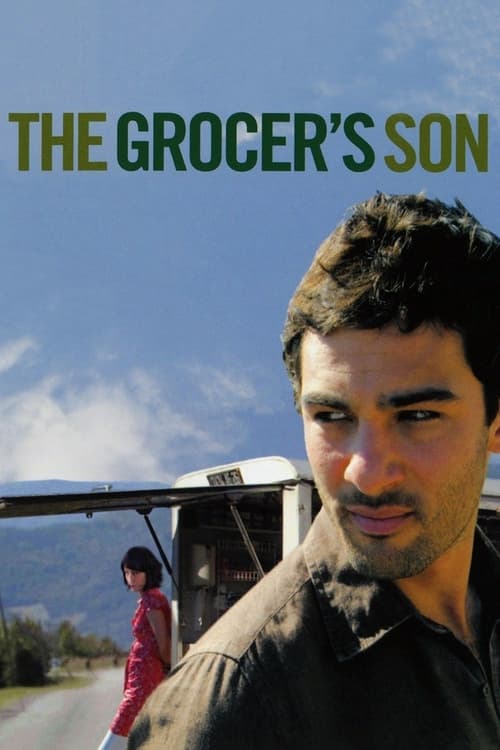
The Grocer's Son
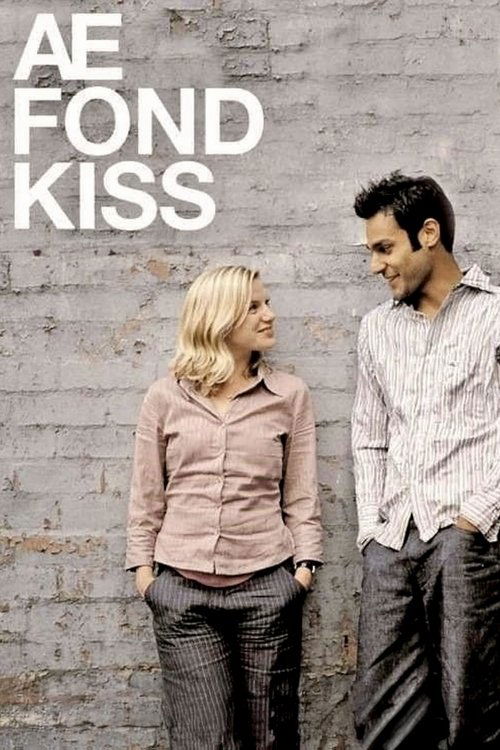
Ae Fond Kiss...
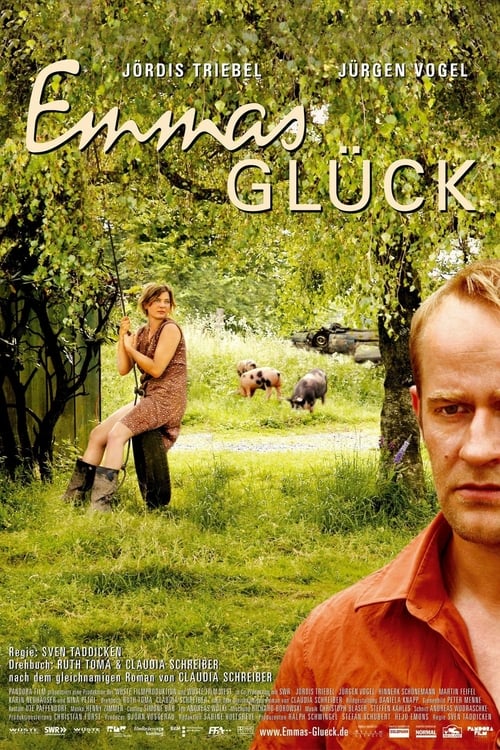
Emma's Bliss
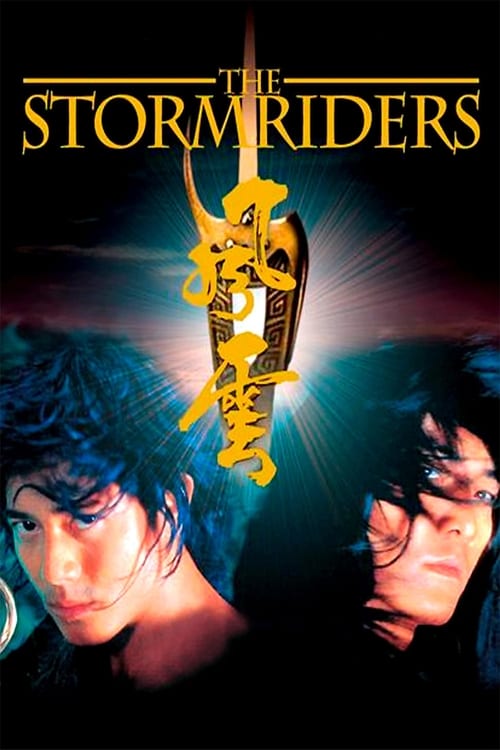
The Storm Riders

Hunting & Gathering
The American President
Alfie
Diary of a Mad Black Woman
Southern Baptist Sissies
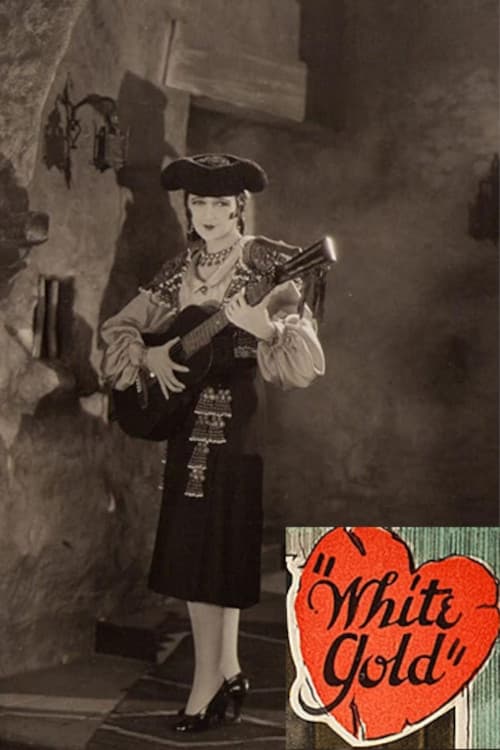
White Gold

Vortex of Love
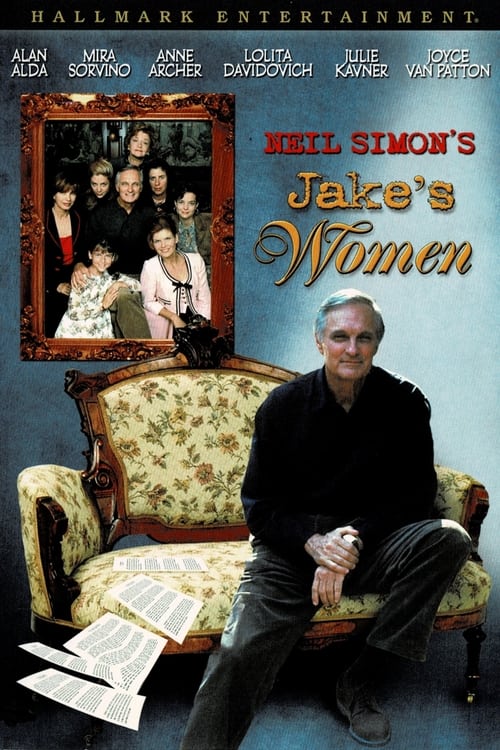
Jake's Women

Before We Vanish
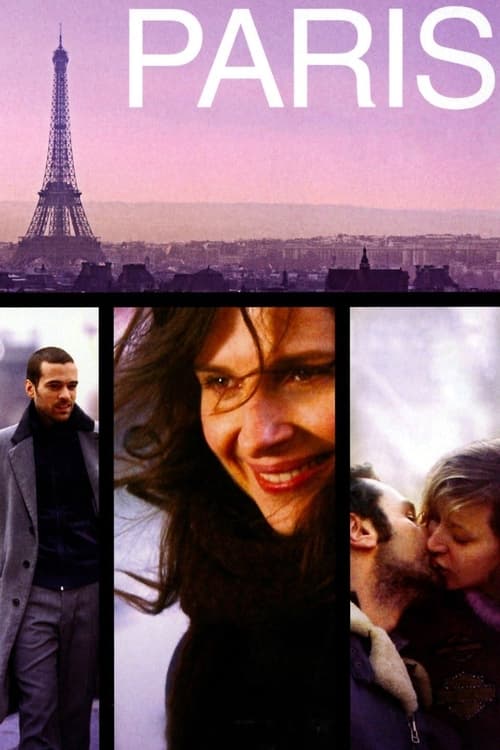
Paris

27 Dresses
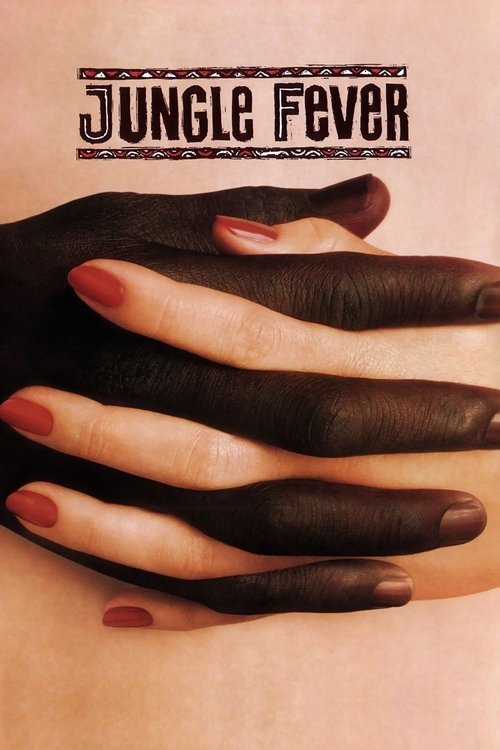
Jungle Fever
The Chinese Botanist's Daughters
A Mighty Heart

Prizzi's Honor
Narcissus and Psyche
Mockingbird Don't Sing
Othello
Madea's Family Reunion
Doomed Love
Le Bercail

Freedom
The Toll of the Sea
Twilight
The Pursuit of Happiness
Longing
Lady Chatterley
Alone
The Square
To Love, Honor and Deceive

Bedazzled
My Life Without Me
Wir sagen Du! Schatz.

Hollywoodland
Evita
Susan Slept Here

Shoppen

Roustabout
Prêtres interdits
Romance & Cigarettes
Tromeo & Juliet
The Crossing Guard
Maine Pyar Kiya
African Gothic
Dům doni Bernardy
It's a Fat World
Age of Consent
Mambo Italiano
Because I Said So
Acqua Movie
Video Kings
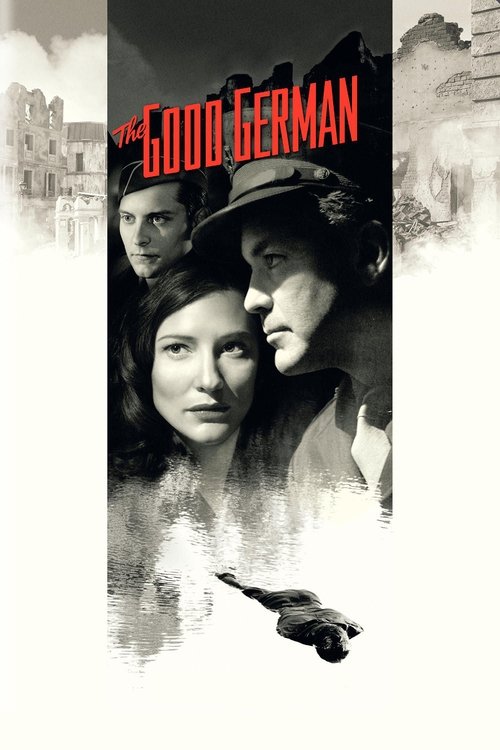
The Good German
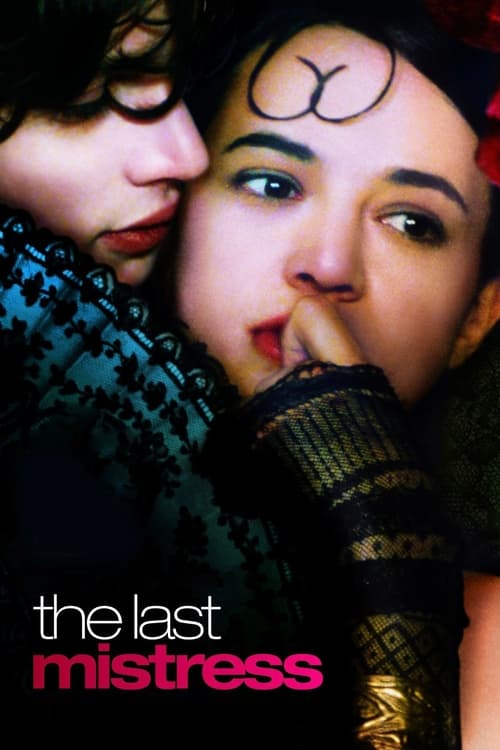
The Last Mistress
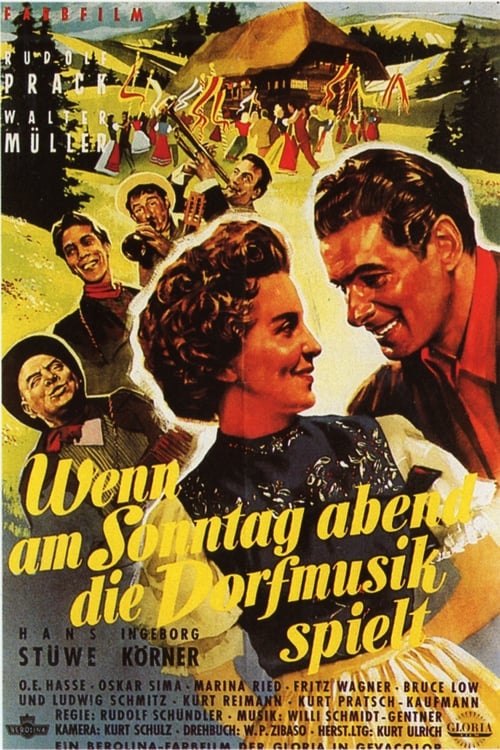
When the Village Music Plays on Sunday Nights
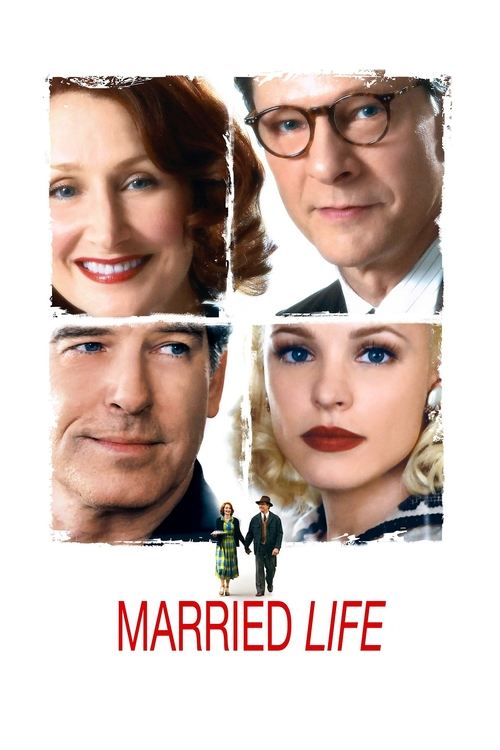
Married Life
Battle in Heaven
Moon Child
The Year of the Wolf
Lucerna
All the King's Men
My Man
Oyster Farmer
No Songs of Love
Blithe Spirit
Love and Other Disasters
Cloud 9
Dancers in the Dark
Rhinoceros
The Maids
You, Me and Dupree
Medea

Gandhi, My Father
Soloalbum
A Love in Germany

Radit and Jani
Jánošík
Drown
Lady Caliph
Mais uma Vez Amor
Die Bettwurst
Fast and Loose

The Guru
Carousel

I Am Still Here
The Women
Transit
Head Under Water
Broken Sky
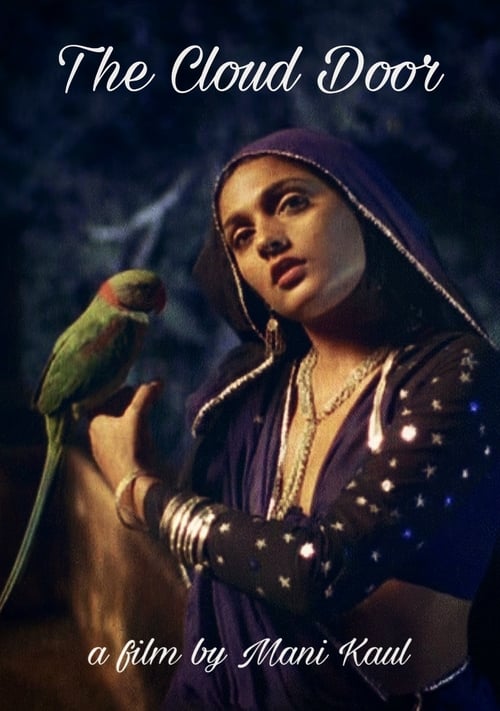
The Cloud Door
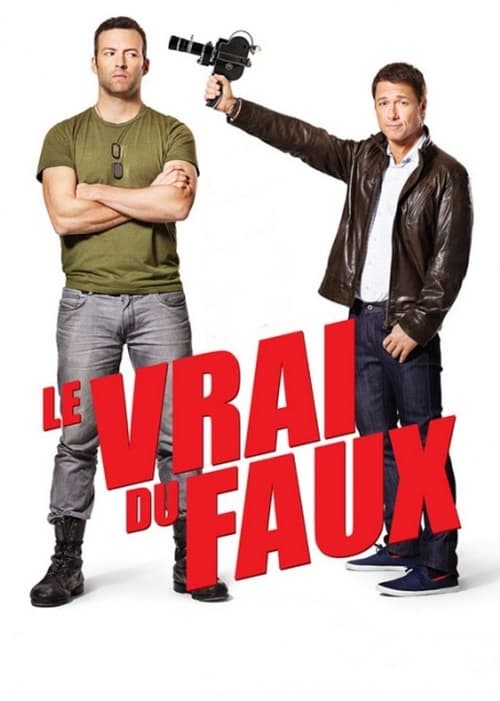
Real Lies
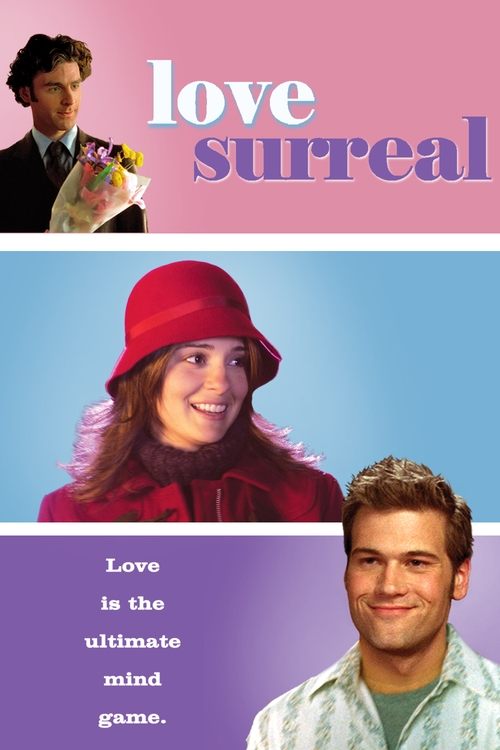
Everything You Want
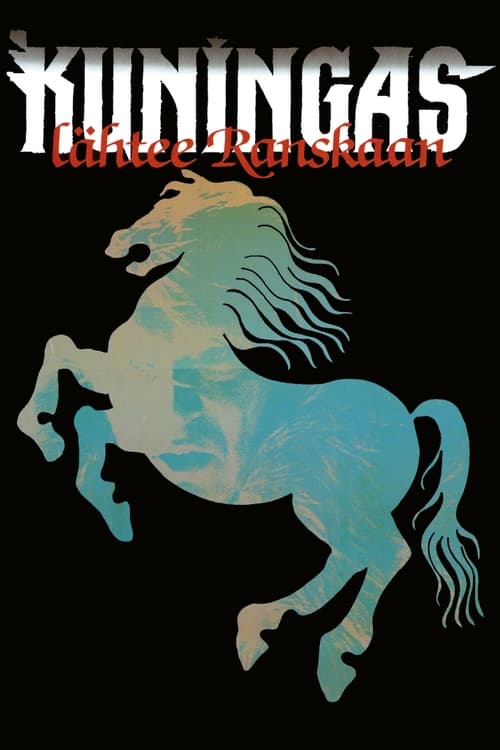
Kuningas lähtee Ranskaan
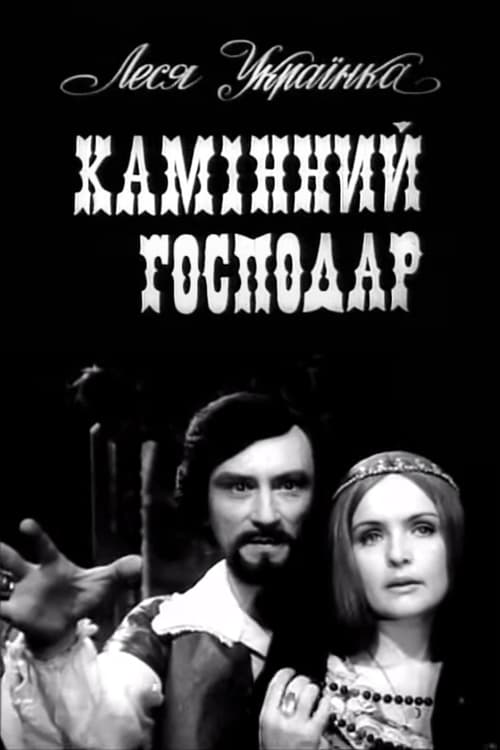
The Stone Host
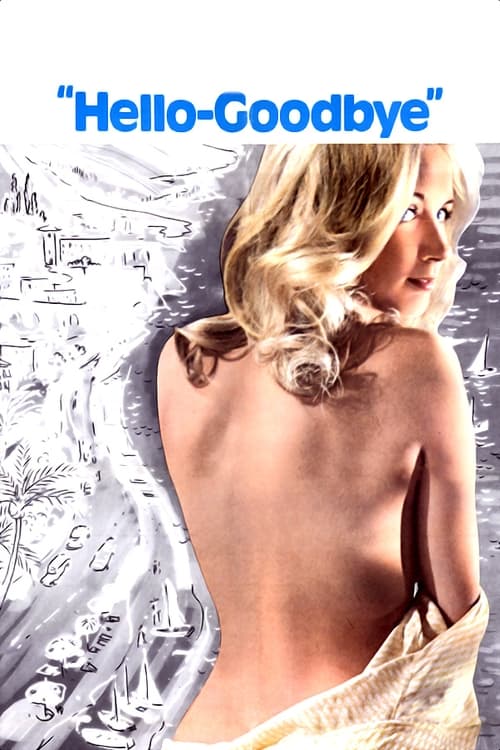
Hello-Goodbye
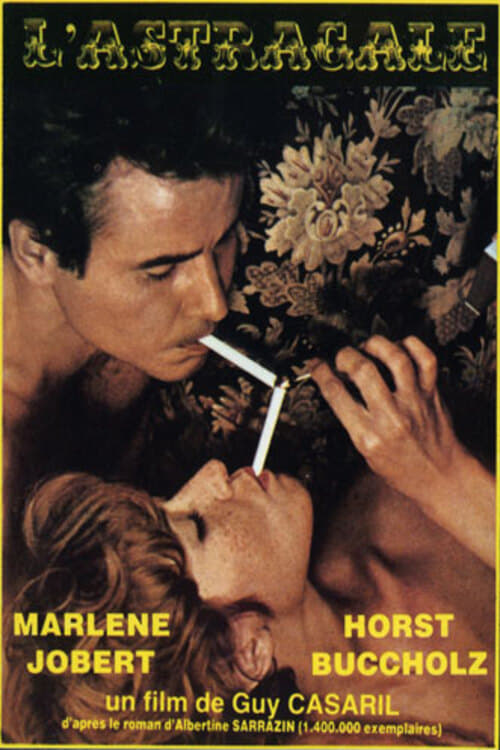
Ankle Bone
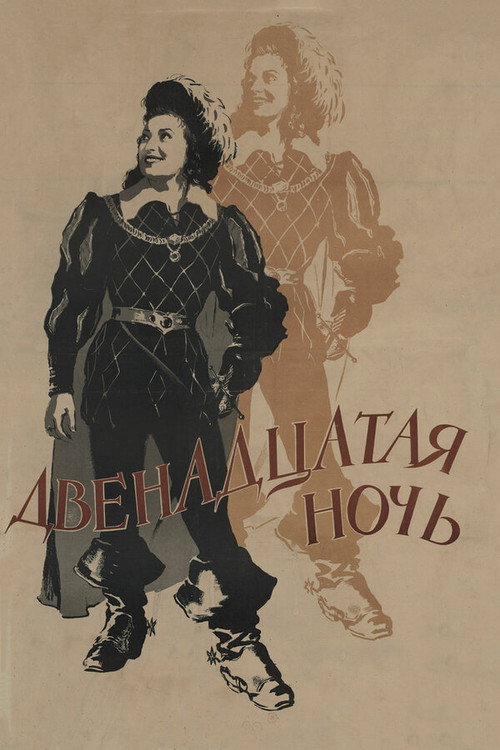
Twelfth Night
Prey for Rock & Roll
The Sister-in-Law
About the Looking for and the Finding of Love
Streets of Rio
Les irresponsables
Zerschmetterte Träume - Eine Liebe in Fesseln

Lovers Beyond Time
Nuori luotsi
Break Me
Jesus, Mary and Joey

Wish You Were Here
Gigli

Salalah Mobiles
Hamlet
Tukkijoella
Bandaged
Half Past Ten
Betray
Me
Valley of a Thousand Hills
Common Pursuit
Anfisa
Wind of Freedom
Cyrano z Bergeracu
Čudný človek
Cat on a Hot Tin Roof
Maškaráda
Ma nouvelle Héloïse
Pelícano
Ragged Heart
Blame
Páni Glembayové
Maličkosti
Jegor Bulyčov
Ten, který dostává políčky
Platonov
An Ally in Time
Longsince
The Return of Beyonce
Romeo and Juliet '99
Ujo Váňa
Kocúrkovo
Škriatok
Meridián
Kastelán
You Who Are Lost With the Wind
Zem nezasľúbená
Kristína
Girl Crush

Break the Cycle
Funnel Cake
Firefly
On the Edge of Transcendence
Dark Matters
Angel Lust
Othello
Príživník
Puppy Girl
C.R.E.A.M.
7 Büyük Günah
Knuckles
Tea
Five Feet Apart
Titanic
The Notebook

A Walk to Remember
Girls Like Girls
Ruth & Boaz
The Best of Me
Breathe
The Great Gatsby
The Magnificent Ambersons
A Place in the Sun
West Side Story

The Choice
We Live in Time
Love at First Sight
West Side Story

Endless Love
Love Story
The Lost Husband
Romeo + Juliet
Pure Country 2: The Gift
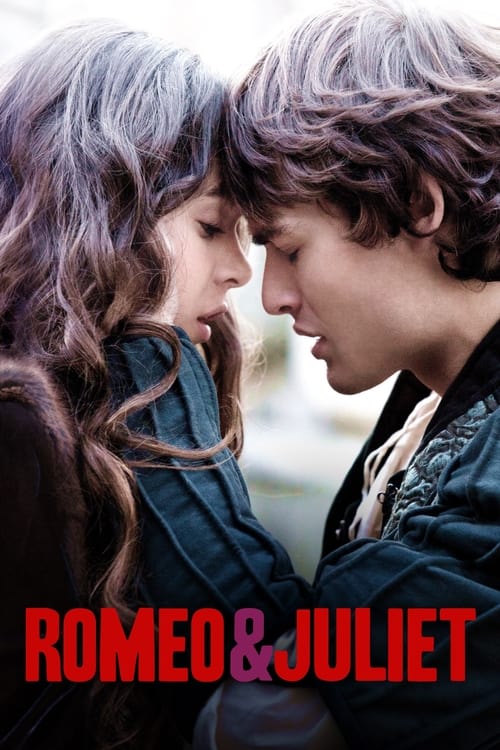
Romeo & Juliet
Love in the Time of Cholera
The Sleeping Dictionary
Ali and Nino
Lady Chatterley's Lover
Cyrano
Not Easily Broken
Anna Karenina
Blind
Hello, Goodbye, and Everything in Between
Nine Lives
Dot the I
The Object of My Affection
Sep 25, 1968
© 2025-2026 MovieNight. All rights reserved.
Versus
Sign in to play →
Bicara Cinta
2020
The Pied Pipers of Harlow
1965
Sign in to vote
Battle your watched movies head-to-head
Community Top Movies

Evil Dead II
1987 · 14 wins
The Dark Knight
2008 · 14 wins

Halloween
1978 · 13 wins
Final Destination
2000 · 12 wins

Halloween II
1981 · 11 wins
Trivia
Leaderboard →Playing as a guest — sign in to save your score and rank on the leaderboard.
Movie Trivia
Guess the movie from a clue — tagline, plot, cast and more. Pick from four posters.
What movie experience do you prefer?
What is your favorite movie genre?
Versus
Sign in to play →
Bicara Cinta
2020
The Pied Pipers of Harlow
1965
Sign in to vote
Battle your watched movies head-to-head
Community Top Movies
Evil Dead II
1987 · 14 wins
The Dark Knight
2008 · 14 wins
Halloween
1978 · 13 wins
Final Destination
2000 · 12 wins
Halloween II
1981 · 11 wins
Trivia
Leaderboard →Playing as a guest — sign in to save your score and rank on the leaderboard.
Movie Trivia
Guess the movie from a clue — tagline, plot, cast and more. Pick from four posters.
What movie experience do you prefer?
What is your favorite movie genre?
We use essential cookies to run MovieNight, plus analytics (Google Analytics) and advertising (Google AdSense) cookies. By continuing to browse, you agree to this — or click No and we won't. See our Terms & Privacy Policy to learn more.